
I'm with Fender32 here. Although I don't think Ochre is the best way to describe the MB color; Ochre is a very unsaturated color and is more of an orangey brown in it's truest sense.


TalkBass has been independent since 1998. Add your voice.
Create a free account to reply to discussions, view embedded media, and browse with fewer display ads.
Join free Log in
Want zero display ads or expanded classifieds tools? Compare plans.
I'm with Fender32 here. Although I don't think Ochre is the best way to describe the MB color; Ochre is a very unsaturated color and is more of an orangey brown in it's truest sense.
 ! I should have run the spell-checker first, it is "ochre", not "ocre".

I cant help with the cone but my LMII is at work and we have a few Pantone swatch's so ill try and match the colour up.
not that it will mean anything but im interested to see what i come up with.
Yep, me too!


These pics are pretty accurate represantation of the color of my combo.
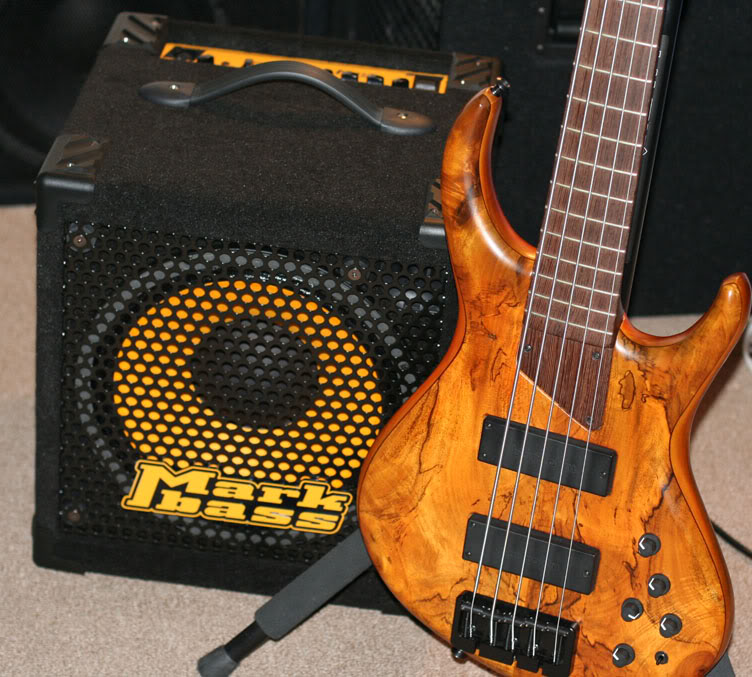
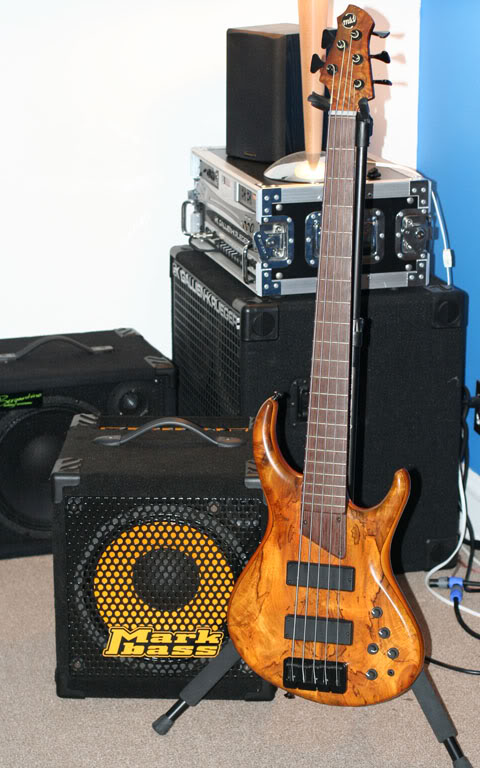
The "Markbass" logo looks more yellow. The speaker is more difficult to judge, since there is a black grid in front of it. It looks different from the logo, but I guess it is just because of the grid.
These pics are pretty accurate represantation of the color of my combo.
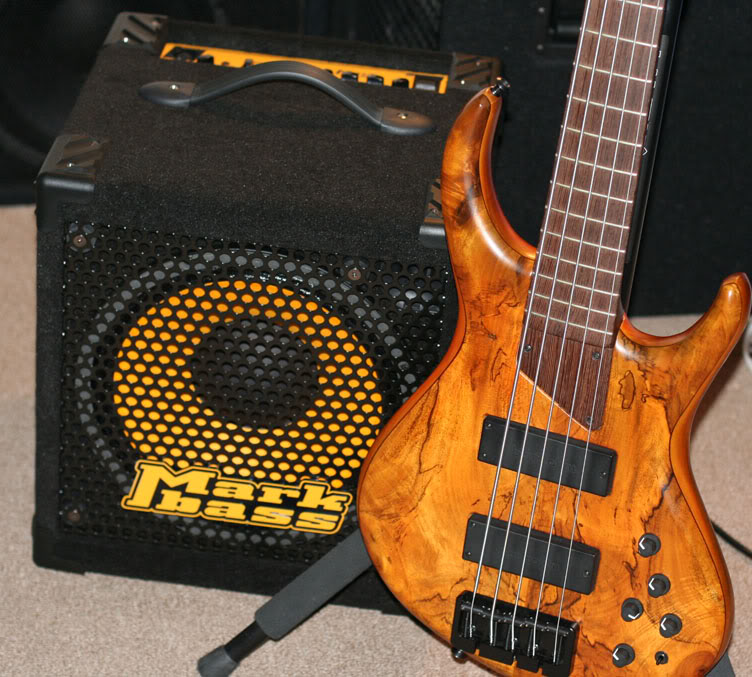
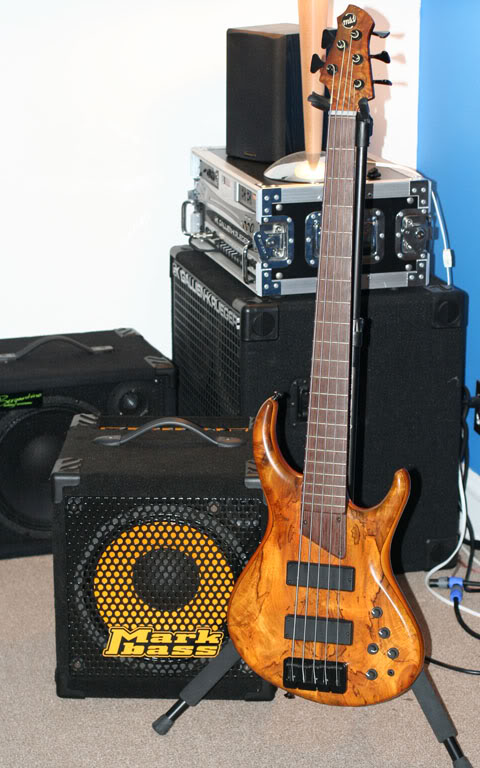
The "Markbass" logo looks more yellow. The speaker is more difficult to judge, since there is a black grid in front of it. It looks different from the logo, but I guess it is just because of the grid.
That combo looks great - is it the mini cmd12" one? hows it sound on its own in a gigging situation?
Chris
how is the low end - does it carry in a venue and hold its authority in a larger room?Sounds great!!! Really cuts through.
how is the low end - does it carry in a venue and hold its authority in a larger room?
Thanks. It is for sale...


I gigged my LMII for the first time last night at a small/medium size venue, and here is my report. I used my Trace cabs, the amp was set flat for the most part, with some VLE (9:00) and VPF (9:00). It sounded awesome by itself in the room prior to the gig, but less powerful than my AH350SMX Trace head. I used no P.A. support purposely for the trial gig. The gain was at 1:00 and the master volume at 11:00 o-clock for gig volume with the band. I only run the Trace amp at "2" or about 9:00 o-clock with the gain set the same. All in all, the LmII did the job, but not with the authority af the T.E. head. The M.B. amp is very neutral, and does not "cut-thru" the mix as well as the Trace. I tried to E.Q. in some more mids, but it gets very nasal sounding. I would say the LMII is a great amp for smaller venues, but cant run with the lead sled at the volumes we play sometimes. It definately needs to be in the P.A. mix. Im not dissing the M.B. amp, and it was not pushed hard, so it had more power to give, but the T.E. "heavy as hell" head will swallow the lightweight in terms of raw power and headroom, and is "loud and clear" without P.A. support at the same club. That is interesting considering the T.E.s 350 watt rating and the LMIIs 500 watts. In conclusion, I love the weight of the M.B, but the lil bit of dirt in the Trace tube pre-amp really adds something to the sound when live. Ill probably keep the M.B as a practice/small venue amp, but the trace will be the weapon of choice for chest thumping power, or outdoors. The other band members like both amps, but also felt the Trace was more audible in the mix at the same volume, maybe some more playin around with the E.Q., i'll keep you all posted!
John
turn the vle and the vpf off (all the way to the left).