

Enjoy the benefits of a premium membership!
Upgrade Account
-
TalkBass has been independent since 1998. Add your voice.
Create a free account to reply to discussions, view embedded media, and browse with fewer display ads.
Join free Log in
Want zero display ads or expanded classifieds tools? Compare plans.
You are using an out of date browser. It may not display this or other websites correctly.
You should upgrade or use an alternative browser.
You should upgrade or use an alternative browser.
Things You Don't See Anymore Part 3
- Thread starter Richland123
- Start date
More options
Who Replied?


Some Sonic's still use them.

Dunno - this seems like something nobody asked for - what kid was looking to play 78s at that time?
That looks like early 70s artwork and 78s were pretty much dead in the 60s as far as I recall. 45s and 33 LPs took over the market.
Per the ad I lifted this from. 78 is what I see. It’s blurry, but that’s what it looks like on the side of the box. You may be right about this being a 70s issue, but the actual product started in the 60s.Dunno - this seems like something nobody asked for - what kid was looking to play 78s at that time?
That looks like early 70s artwork and 78s were pretty much dead in the 60s as far as I recall. 45s and 33 LPs took over the market.
Invalid Link Removed
Here a YouTube of someone who bought this particular model from a garage sale.
Last edited:

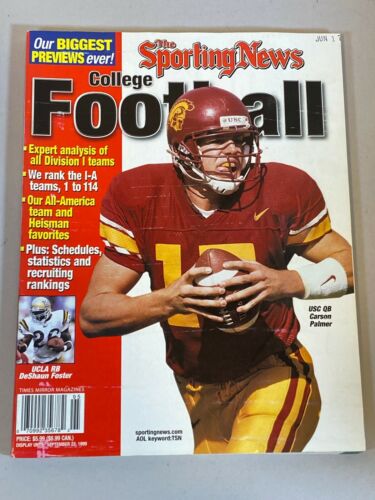
The Sporting News magazine. It was once one of Sports Illustrated's biggest rivals. The Sporting News website still exists, but the physical magazine is long gone.

Didn’t I see Jack Bruce wearing the guy version of this back in the Cream days?

Didn’t I see Jack Bruce wearing the guy version of this back in the Cream days?
View attachment 4901115

That’s Ginger Baker though in that pic isn’t it?
Yes...I found Ginger but none of Jack.That’s Ginger Baker though in that pic isn’t it?
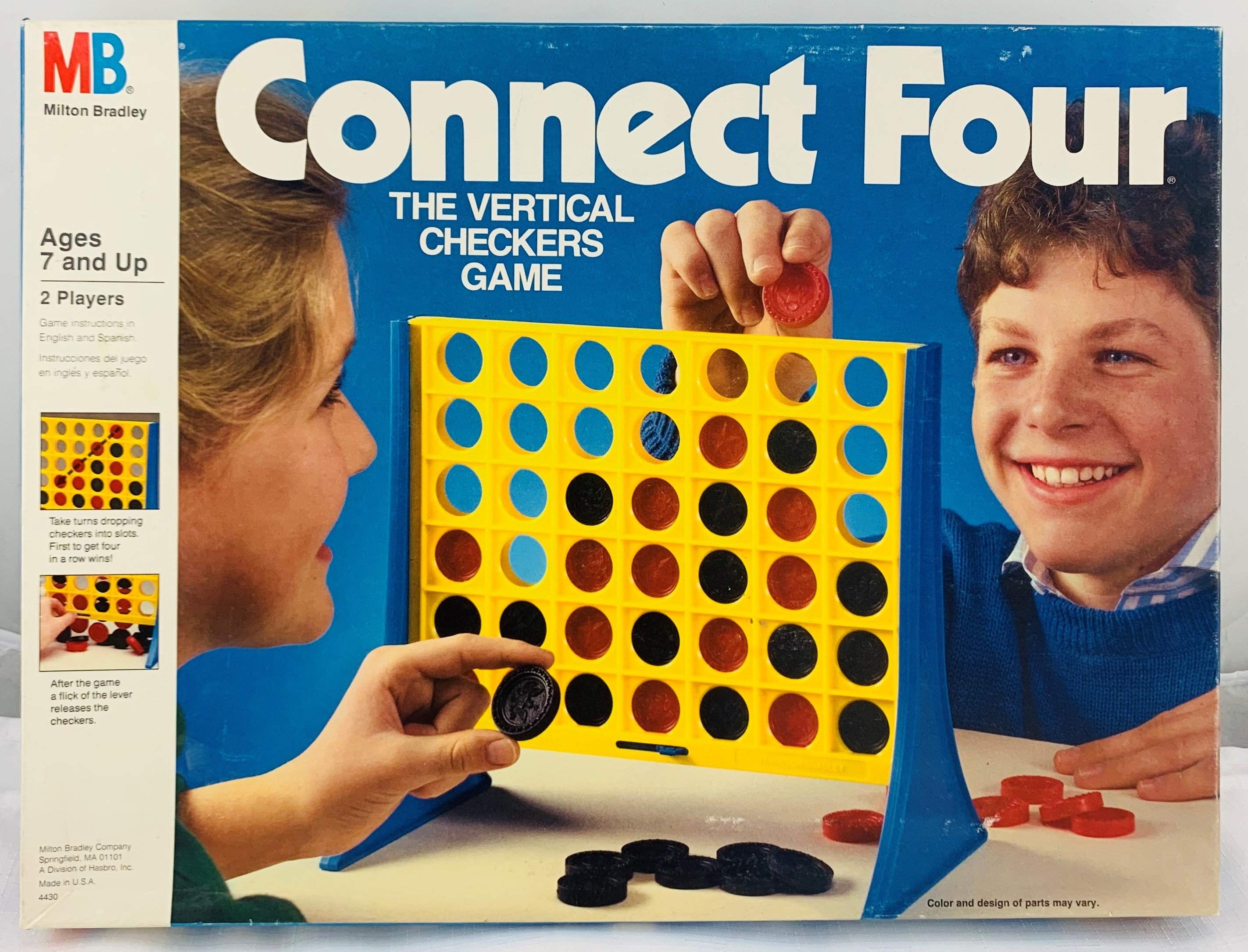
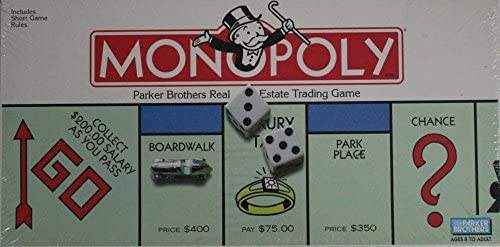
Milton Bradley and Parker Brothers.
Both were acquired by Hasbro and are now being sold under Hasbro Gaming. Check out these before and after pics, and note the change of brand logo:


Both were acquired by Hasbro and are now being sold under Hasbro Gaming. Check out these before and after pics, and note the change of brand logo:
Yeah, the feather boa's NEVER been a good look for dudes.
That’s Ginger Baker though in that pic isn’t it?
Yes...I found Ginger but none of Jack.
There actually was a photo of Jack in a furry vest. We had it on our wall at work because it cracked us up. Way before the internet, I used to work for an independent record distributor. We used to bring in all kinds of vinyl from all over Europe and Japan. If memory serves me, I believe this record was an import release from France, I think, and wasn’t well put together as well as Jack’s photo being a bit blurry. Wouldn’t have surprised me if Jack and the boys legally squelched it and now there’s no history of it.
Last edited:

Found one of Eric!There actually was a photo of Jack in a furry vest. We had it on our wall at work because it cracked us up. Way before the internet, I used to work for an independent record distributor. We used to bring in all kinds of vinyl from all over Europe and Japan. If memory serves me, I believe this record was an import release from France, I think, and wasn’t well put together as well as Jack’s photo being a bit blurry. Wouldn’t have surprised me if Jack and the boys legally squelched it and now there’s no history of it.

Milton Bradley and Parker Brothers.
Both were acquired by Hasbro and are now being sold under Hasbro Gaming. Check out these before and after pics, and note the change of brand logo:
View attachment 4901429
View attachment 4901432 View attachment 4901433
I just saw the new Monopoly and Connect Four game boxes along with Operation, Jenga, and others at the local J. C. Penney Store last night.
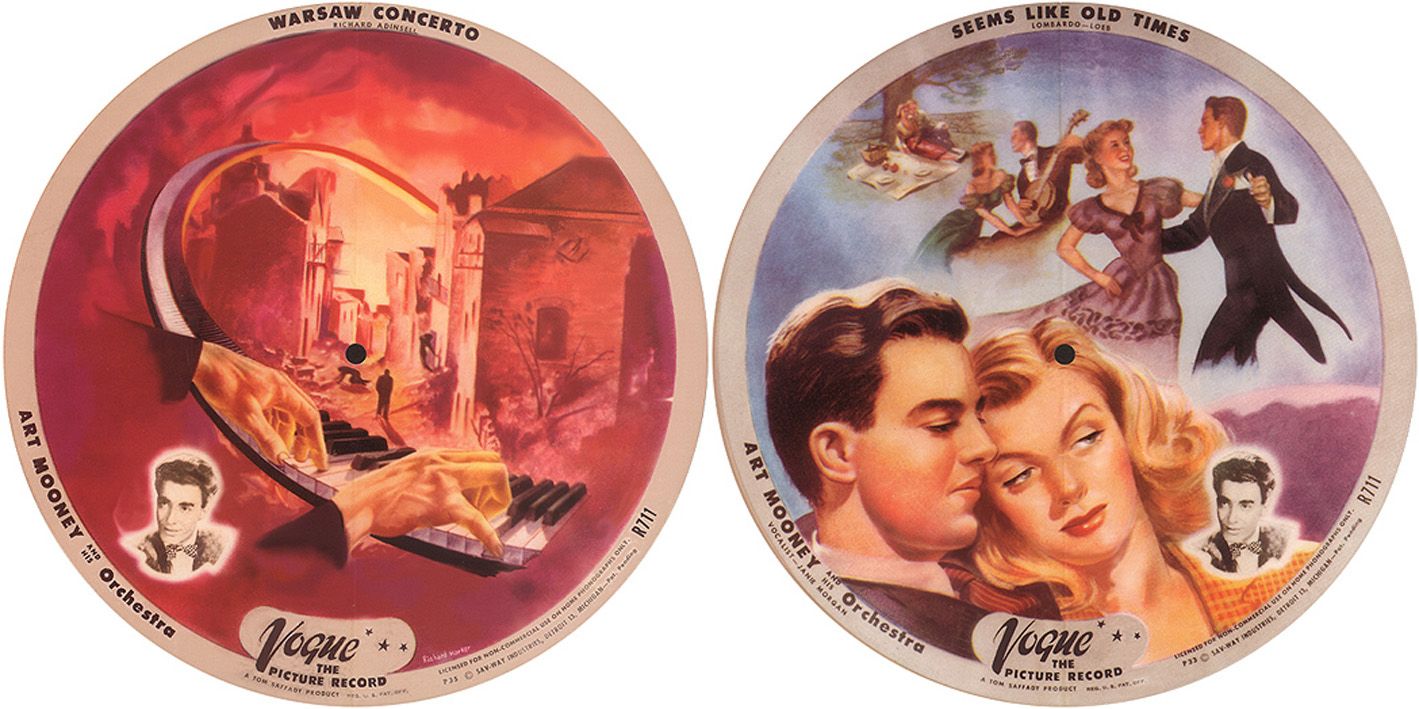
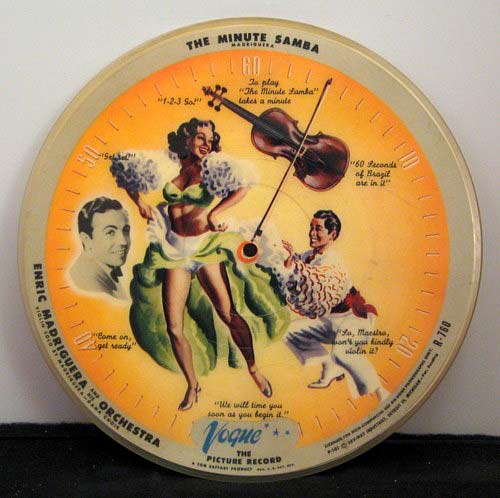
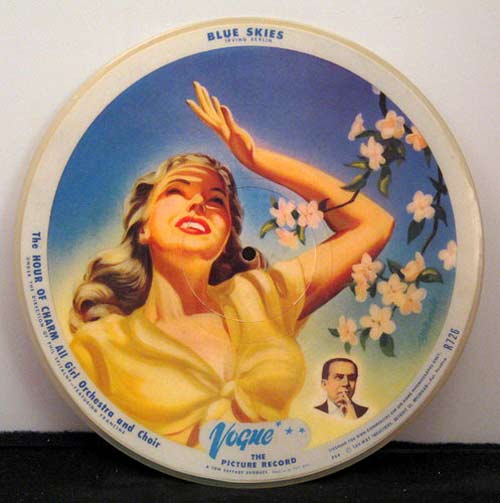
I had quite a few of the Vogue Picture Discs like the one in the photo. I sold them when I was a record dealer at conventions. They are collectible.
Shortly after the end of World War II, a company called Vogue Records, from Detroit, Michigan, started a record label with the unique business model of selling only picture discs.
Their product was of a much higher quality than earlier pressings, and included much better sound quality than had been seen with the format.
Part of this had to do with the company’s manufacturing process, which used a solid aluminum core which was covered with a playing surface that was not too different from modern vinyl.
Unlike RCA’s early picture discs, which featured black and white artwork, Vogue’s products used eye-catching, bright, colorful graphics, making the product difficult to ignore in the record store.
Vogue was only in business for a year or so, releasing roughly 70 different titles during that time. In addition to those 70 titles, a number of “prototype” examples of unreleased Vogue titles have surfaced over the years. While Vogue picture discs were reasonably popular then and remain so today with collectors, several factors hindered the company’s success:
Their records cost more to produce than that of their competitors, and thus carried a retail price that was almost twice the price of their competitors’ products.
The company’s roster of talent was modest, and they didn’t have any big stars signed to the label. Most of the best-known recording artists of the day were locked into contracts that required them to record exclusively for their record labels, and Vogue found it difficult to sign artists who were likely to have hits.
The company’s location in Detroit, far from the music centers of New York or Los Angeles, likely contributed to the problem with a lack of talent at the label.
While Vogue Records was in business for a short time, their picture discs are surprisingly popular among collectors today, with several titles regularly selling for more than $500 on the collector’s market. Several unreleased prototypes have sold for as much as $8000.
Their appeal today is much as it was in the 1940s – they are attractive records offering colorful examples of period art and music in a single package. Due to their high manufacturing quality, quite a few Vogue picture discs survive today, and more common titles can be purchased for as little as $10 or so.




Works of Art both Visually and Musically! Good stuff!I had quite a few of the Vogue Picture Discs like the one in the photo. I sold them when I was a record dealer at conventions. They are collectible.
Shortly after the end of World War II, a company called Vogue Records, from Detroit, Michigan, started a record label with the unique business model of selling only picture discs.
Their product was of a much higher quality than earlier pressings, and included much better sound quality than had been seen with the format.
Part of this had to do with the company’s manufacturing process, which used a solid aluminum core which was covered with a playing surface that was not too different from modern vinyl.
Unlike RCA’s early picture discs, which featured black and white artwork, Vogue’s products used eye-catching, bright, colorful graphics, making the product difficult to ignore in the record store.
Vogue was only in business for a year or so, releasing roughly 70 different titles during that time. In addition to those 70 titles, a number of “prototype” examples of unreleased Vogue titles have surfaced over the years. While Vogue picture discs were reasonably popular then and remain so today with collectors, several factors hindered the company’s success:
Their records cost more to produce than that of their competitors, and thus carried a retail price that was almost twice the price of their competitors’ products.
The company’s roster of talent was modest, and they didn’t have any big stars signed to the label. Most of the best-known recording artists of the day were locked into contracts that required them to record exclusively for their record labels, and Vogue found it difficult to sign artists who were likely to have hits.
The company’s location in Detroit, far from the music centers of New York or Los Angeles, likely contributed to the problem with a lack of talent at the label.
While Vogue Records was in business for a short time, their picture discs are surprisingly popular among collectors today, with several titles regularly selling for more than $500 on the collector’s market. Several unreleased prototypes have sold for as much as $8000.
Their appeal today is much as it was in the 1940s – they are attractive records offering colorful examples of period art and music in a single package. Due to their high manufacturing quality, quite a few Vogue picture discs survive today, and more common titles can be purchased for as little as $10 or so.


