
Why not get a fretless Squire? Wouldn't cost much more than a defretting job and would give you an idea if you like it, and have some resale value if you don't like it. I've always been a DIY kinda guy who does everything on the cheap. The lesson I had hammered into me was that I was better off saving my money and buying what I actually wanted, than trying to take what I had and making it resemble what I want. I'd get a cheap (but decent) fretless to play around with.

Enjoy the benefits of a premium membership!
Upgrade Account
-
TalkBass has been independent since 1998. Add your voice.
Create a free account to reply to discussions, view embedded media, and browse with fewer display ads.
Join free Log in
Want zero display ads or expanded classifieds tools? Compare plans.
You are using an out of date browser. It may not display this or other websites correctly.
You should upgrade or use an alternative browser.
You should upgrade or use an alternative browser.
Thoughts on defretting a bass?
- Thread starter Persona87
- Start date
More options
Who Replied?

DiabolusInMusic
Functionless Art is Merely Tolerated Vandalism
Just my two cents, but I wouldn't defret. I'd sell the Ibanez and buy a VM squire fretless. You can probably pick one up for about $200 used.
I would defret. The 506 won't get much more than $200, if that, and the Squier will still need neck work anyways. Every VM fretless I have seen was not radiused after the fretlines were installed so you can feel the little lines and they cause fretbuzz preventing a decent fretless setup.
OP defrets are easy. Just get the appropriate radius sanding block and some wood filler. I would also recommend spending the money on fret pullers but some guys make their own. I would pay a pro for epoxy if you are going that route.

Of course it's your bass.... you are free to do what you want.... but you asked for "my" thoughts...... in a word.... DON'T! There are tons and tons of fretless basses out there to be had for a great deal and you will totally destroy the value of your bass by doing that.

Have you tried putting Flatwounds on the Ibanez first just to hear the sound difference? With slight adjustment in technique, that might get a good enough sound you're going for in jazz. There are lots of threads about what flatwound strings to use. Obviously, depending on how the bass is defretted (and neck epoxied) it will change the tone again. At least you'll have a slight headstart on what string brand you like, what settings you prefer on your bass and amp when using flats.
For me, I'd just weigh out the cost of defretting vs. buying a cheap fretless (and there are plenty of cheap solutions). I don't know how long it takes a luthier to defret an instrument, so take that into consideration too.
If anything, I'd rather have a backup bass that sounds slightly similar to my main if I had the opportunity. I'd rather just buy a new fretless than convert an existing bass in my collection, but that's just me.
However, my basses are drastically different (in looks, tone, and technique used) from each other (4-string roundwound passive, 5-string roundwound active, 6-string fretless flatwound active). I love my fretless, and it's currently my main for all types of music even if it's not initially the tone widely used for certain styles.
For me, I'd just weigh out the cost of defretting vs. buying a cheap fretless (and there are plenty of cheap solutions). I don't know how long it takes a luthier to defret an instrument, so take that into consideration too.
If anything, I'd rather have a backup bass that sounds slightly similar to my main if I had the opportunity. I'd rather just buy a new fretless than convert an existing bass in my collection, but that's just me.
However, my basses are drastically different (in looks, tone, and technique used) from each other (4-string roundwound passive, 5-string roundwound active, 6-string fretless flatwound active). I love my fretless, and it's currently my main for all types of music even if it's not initially the tone widely used for certain styles.
- Apr 15, 2009
- 539
- 260
- Disclosures
- Sales and electronic tech/piano tech: England Music Center - Clinton IA - now closed
I watched an old Dan Erlewine video on how to refret a guitar and I pulled the frets on my Ibanez SR406. Took a 45 watt soldering pencil and section on copper pipe, hammered alot of it flat and rounded the other end so it would fit the soldering pencil, laid it on the fret to heat it up and break any glue (all Dan suggestions) then took a pair of end nippers and slowly raised the fret to see if it would raise the wood (which it didnt). Then after I pulled them all I filled in the slots with wood putty. Came out great.
But it doesnt sound like an upright at all. It sounds pretty cool. Go onto YouTube and look up some Tony Franklin when he was playing with Blue Murder. He plays a fretless. Then again so does Les Claypool.....
But it doesnt sound like an upright at all. It sounds pretty cool. Go onto YouTube and look up some Tony Franklin when he was playing with Blue Murder. He plays a fretless. Then again so does Les Claypool.....

Fretlesses are the best.
Defretting is...okay if it's a throwaway bass you don't mind destroying, and if you do the work yourself...or if you've got a nice bass that you KNOW you will like better fretless. But to pay someone money to defret a relatively cheap bass is a bad investment. Now you've got a relatively cheap bass that's worth even less that you're more financially invested in.
I support the "just buy a fretless squier" philosophy, or perhaps buy a fretted Fender-style and put a fretless MightyMite neck on it. Heck if you buy one of those SquierVMs with the sexy bound/blocked neck you'll be able to resell the Squier neck for more than you'll pay for the new MightyMite.
Defretting is...okay if it's a throwaway bass you don't mind destroying, and if you do the work yourself...or if you've got a nice bass that you KNOW you will like better fretless. But to pay someone money to defret a relatively cheap bass is a bad investment. Now you've got a relatively cheap bass that's worth even less that you're more financially invested in.
I support the "just buy a fretless squier" philosophy, or perhaps buy a fretted Fender-style and put a fretless MightyMite neck on it. Heck if you buy one of those SquierVMs with the sexy bound/blocked neck you'll be able to resell the Squier neck for more than you'll pay for the new MightyMite.

I took that plunge on a gorgeous 1976 P-Bass back in the early 80's after getting my Ibanez Artist Musician. I was in a Navy band stationed in Yokosuka Japan and bought this incredible Ibanez 924 Artist Musician and decide my P-Bass needed to be fretless.
What an IDIOT I was!!!!! The idea of having a bass unfretted is fine but unless you are a good luthier .... pay the money and have someone do it!
I killed that beautiful Off white with maple neck bass and I hang my head in shame! LOL I started the belt sander (which was probably my first mistake) and forgot to bolt the neck down .... well it flew across the room like and arrow! I placed it in a different position and well ... let's just say when the sander hit it and threw it again it was position to suddenly make my voice several octaves higher ... you dig!
Next was the grinder to refinish the body. I was grinding away looking around with thoughts of how the bass would be and started to smell something burning. I looked down and lo .... there was a glob of burning paint or plastic or something like that from the bass just going round and round.
Oh ... by the time I was finished with the belt sander the nut not started where the third fret used to be!
I turned that thing into nothing but spare parts in about an hour!!! What a way to learn. Oh ... and this was all in a Navy wood shop ... I snuck out as quick as I could!
So other than replacing pickups I have officially barred myself from any bass repairs/alterations .... hope this gave you a good laugh .... it's all true! Yikes!
What an IDIOT I was!!!!! The idea of having a bass unfretted is fine but unless you are a good luthier .... pay the money and have someone do it!
I killed that beautiful Off white with maple neck bass and I hang my head in shame! LOL I started the belt sander (which was probably my first mistake) and forgot to bolt the neck down .... well it flew across the room like and arrow! I placed it in a different position and well ... let's just say when the sander hit it and threw it again it was position to suddenly make my voice several octaves higher ... you dig!
Next was the grinder to refinish the body. I was grinding away looking around with thoughts of how the bass would be and started to smell something burning. I looked down and lo .... there was a glob of burning paint or plastic or something like that from the bass just going round and round.
Oh ... by the time I was finished with the belt sander the nut not started where the third fret used to be!
I turned that thing into nothing but spare parts in about an hour!!! What a way to learn. Oh ... and this was all in a Navy wood shop ... I snuck out as quick as I could!
So other than replacing pickups I have officially barred myself from any bass repairs/alterations .... hope this gave you a good laugh .... it's all true! Yikes!
- Apr 15, 2009
- 539
- 260
- Disclosures
- Sales and electronic tech/piano tech: England Music Center - Clinton IA - now closed
- Apr 15, 2009
- 539
- 260
- Disclosures
- Sales and electronic tech/piano tech: England Music Center - Clinton IA - now closed
Also. With the number of fretless basses out there, why make your own? I had a Squier Bullet Bass Deluxe fretless pass thru the music store I worked at/ran. Played like a freaking dream. We also has both Fender and Squier fretlesses along with Yamaha unlined fretlesses. Just keep checking pawn shops as well as the 'bay.

Not sure how that's relevant? If you want upright sound, you will take it on the bus, train, cab, whatever, and you will wheel it around town on it's little gig bag wheel. That's how it's done. : DYou're absolutely right of course... try taking an upright on the bus though or walking through town with one.

In my experience, defretting a bass isn't that hard. You just have to move very, very, very slowly. With the help of a friend (who led me to believe he was far more experienced/had more tools than he actually did) I defretted my Schecter with nothing more than a soldering iron, some razor blades, and some needle-nose pliers. I recently picked up a set of Stew-mac fret cutters, which are essentially the big brother of their Invalid Link Removed, and good god they are awesome. The construction is impeccable, and the ends are razor thin. I regret not buying them the first time around - would've saved me a couple hours work (of course, so would not bringing beer, but some things are can't be helped.) We then filled the slots with wood putty and covered them with some rosewood dust, and voila! The only work I had a professional do was re-radiusing/leveling the fingerboard (a manufacturers defect) and adjust the action (the nut was almost completely stripped.)
I'm a big advocate of learning to maintain and work on your own instruments, both to save money and for emergency situations. The nice thing about this experience is with a $30 some dollar investment and some time, you'll get a better feel for your instrument, a more intimate understanding of how it works, and the pride of knowing you did something on your own. Everything you need to know is freely, exhaustively available online. Plus, if you screw anything up, fixing it will still be cheaper than paying someone to pull the frets for you.
Just my two cents. That and a nickel won't get you a cup of coffee anywhere.
Edit: I should probably google before I speak. The first results I found when googling "how to defret a bass" were people literally going at their necks with a hammer and screwdriver, which is just about the worst idea ever. This video shows the proper technique, which really is quite simple. I wouldn't bother with videos two and three, because he goes above and beyond with inlaying wood veneer, but wood putty/filler is pretty easy to work with.
I'm a big advocate of learning to maintain and work on your own instruments, both to save money and for emergency situations. The nice thing about this experience is with a $30 some dollar investment and some time, you'll get a better feel for your instrument, a more intimate understanding of how it works, and the pride of knowing you did something on your own. Everything you need to know is freely, exhaustively available online. Plus, if you screw anything up, fixing it will still be cheaper than paying someone to pull the frets for you.
Just my two cents. That and a nickel won't get you a cup of coffee anywhere.
Edit: I should probably google before I speak. The first results I found when googling "how to defret a bass" were people literally going at their necks with a hammer and screwdriver, which is just about the worst idea ever. This video shows the proper technique, which really is quite simple. I wouldn't bother with videos two and three, because he goes above and beyond with inlaying wood veneer, but wood putty/filler is pretty easy to work with.
Last edited:

For years I've read magazine articles on how to defret a bass,And I've had four of my past basses defretted by pros.I'm reasonable confident that I can defret a bass.I did it to my Tune TWB63 bass back in 2010.This is the bass.
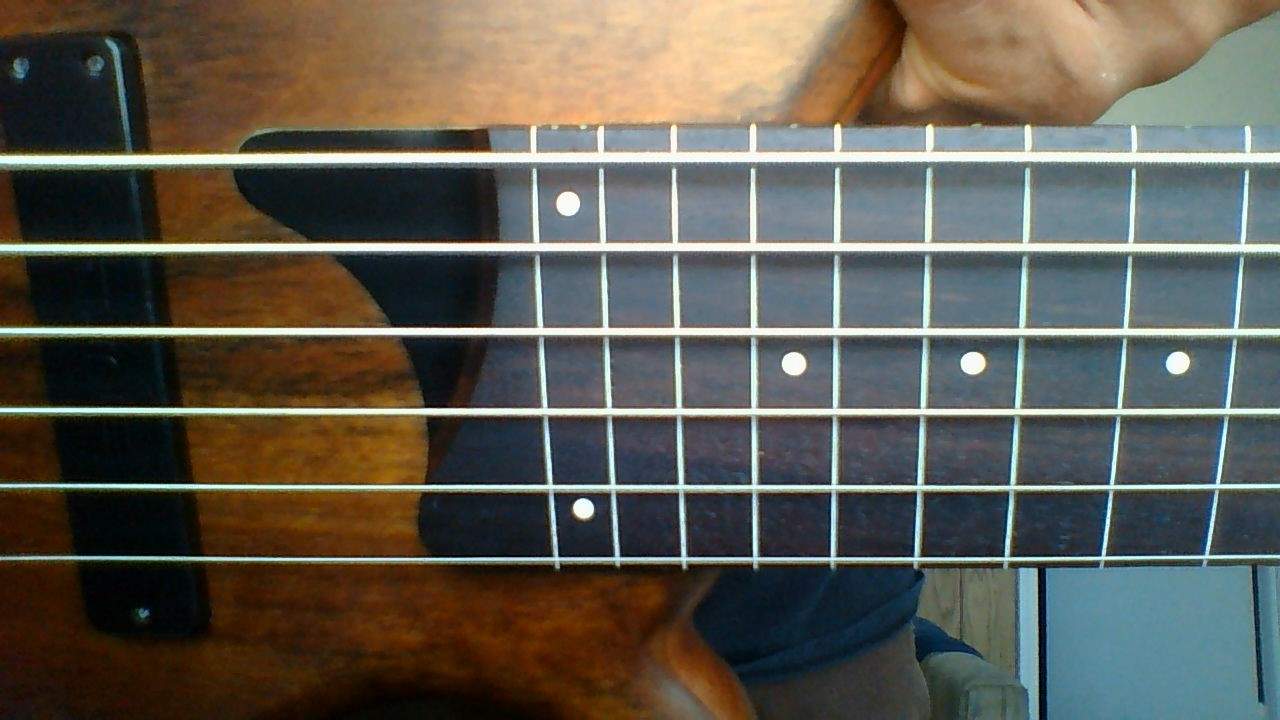
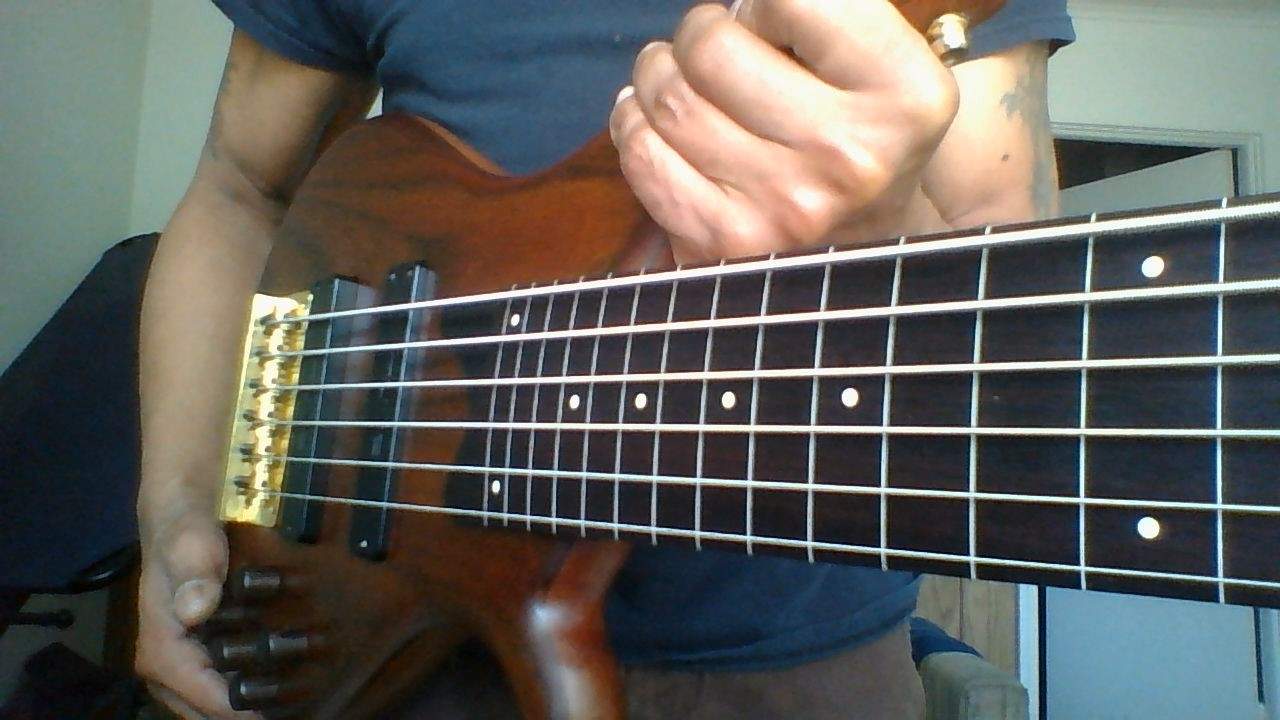
The past basses had styrene plastic used as a fret slot filler.So I followed suit.Excellent job for a first timer!Prior Preparation Prevents Piss Poor Performance.This is like the first time you did your own brake job and you said"I pay a mechanic for this?"
The past basses had styrene plastic used as a fret slot filler.So I followed suit.Excellent job for a first timer!Prior Preparation Prevents Piss Poor Performance.This is like the first time you did your own brake job and you said"I pay a mechanic for this?"
Last edited:

Having done it myself I would suggest against it. Fingerboard tolerances need to be higher on a fretless than a fretted, and you'll find that you need to work hard to get the fingerboard level after defretting. If you really want that bass defretted then pay to have a professional to do it. Just my $0.02.

it's your bass and if you want the frets off of it then do it but the fact is weather or not to defret the bass your self is only determined by your own abilitys if you have never owned a power tool and have no experience in woodworking then hell no you should not deffret your own bass, it's a simple matter of knowing your own limits and abilitys personaly I think the guy who tried to do it with a belt sander should have been stopped at the wood shop door and never allowed to return but others should not gadge their odds of success on his foolish act since that's an extreme example of what not to do. it's easy to be confident when you have no clue what your doing.
on the other hand if you do have some experience and think you have the skills to do it then you probably can it's not brain surgery and every sucsessfull refret job starts with a defreet.
most of the horror stories you read start with someone who has no experience with tools and don't have the right tools/materials to do it right.
everyone says go to a pro/tech for epoxy coating but I doubt most techs have ever done anything like what is required to coat a fretboard, it's more of a job for someone who does high quality finishes to get a good bond and an even coat then have a tech level/raidus and polish it. I have done far more epoxy coatings than most techs I know and I don't even do my own setups it's a totally different field of expertise.
when a guy says " he does it the same way jaco did it" keep in mind jaco was not a tech or a coatings expert he was a bass player and the way he did it most likely was not the best way to coat a fretboard and definetly not the reason for his sound, it sounds like that because he's jaco.
so in a summary of my opinion .. go for it just don't do anything stupid.
on the other hand if you do have some experience and think you have the skills to do it then you probably can it's not brain surgery and every sucsessfull refret job starts with a defreet.
most of the horror stories you read start with someone who has no experience with tools and don't have the right tools/materials to do it right.
everyone says go to a pro/tech for epoxy coating but I doubt most techs have ever done anything like what is required to coat a fretboard, it's more of a job for someone who does high quality finishes to get a good bond and an even coat then have a tech level/raidus and polish it. I have done far more epoxy coatings than most techs I know and I don't even do my own setups it's a totally different field of expertise.
when a guy says " he does it the same way jaco did it" keep in mind jaco was not a tech or a coatings expert he was a bass player and the way he did it most likely was not the best way to coat a fretboard and definetly not the reason for his sound, it sounds like that because he's jaco.
so in a summary of my opinion .. go for it just don't do anything stupid.
I took that plunge on a gorgeous 1976 P-Bass back in the early 80's after getting my Ibanez Artist Musician. I was in a Navy band stationed in Yokosuka Japan and bought this incredible Ibanez 924 Artist Musician and decide my P-Bass needed to be fretless.
What an IDIOT I was!!!!! The idea of having a bass unfretted is fine but unless you are a good luthier .... pay the money and have someone do it!
I killed that beautiful Off white with maple neck bass and I hang my head in shame! LOL I started the belt sander (which was probably my first mistake) and forgot to bolt the neck down .... well it flew across the room like and arrow! I placed it in a different position and well ... let's just say when the sander hit it and threw it again it was position to suddenly make my voice several octaves higher ... you dig!
Next was the grinder to refinish the body. I was grinding away looking around with thoughts of how the bass would be and started to smell something burning. I looked down and lo .... there was a glob of burning paint or plastic or something like that from the bass just going round and round.
Oh ... by the time I was finished with the belt sander the nut not started where the third fret used to be!
I turned that thing into nothing but spare parts in about an hour!!! What a way to learn. Oh ... and this was all in a Navy wood shop ... I snuck out as quick as I could!
So other than replacing pickups I have officially barred myself from any bass repairs/alterations .... hope this gave you a good laugh .... it's all true! Yikes!
POWER TOOLS?????..................BELT SANDER????
Tools needed to defret a bass
1.A pair of end nippers.With the nipping end ground so that they can get under the fret.
2.A soldering iron.
3.A Three foot level.
4.A Hobby Razor Saw.
5.An 8"Radius Sanding Block(you will need to know the radius of you fretboard)
6.Various grades of sandpaper.
Your choice of what you want to fill the fret slots.I chose styrene plastic strips..062 as I remember.
7.Crazy Glue.
8.An Exacto knife.
9.You will need to deepen the nut slots.Personally I sanded the bottom of the nut to lower the slot height.
10.Howards Feed-N-Wax Wood Polish and Conditioner.And a polish cloth.
No power tools.
Bass player Magazine has published numerous articles on defretting a bass over the decades.If this was such a high precision,high tolerance procedure why would they print so many DIY articles?
Last edited:

I said I was looking at defretting the ibanez! I wouldn't risk doing that to a boutique american bass.
I'm thinking about doing exactly that to my Rick 4004 Cii,because the company doesn't make FL versions of the 4004. I would definitely go with someone who has had lots of experience with the procedure.
Understood but when you are stationed at a Naval Base in Japan .... you make do with what is available .... or in my case NOT make do LOL
Yokuska Naval Base wasn't exactly the hot bed of luthiers back in 1982 ....
Yokuska Naval Base wasn't exactly the hot bed of luthiers back in 1982 ....
I agree no powertools should be used to defreet a bass, my point was that someone who owns powertools and knows how they are used would probably know better that to use a beltsander to defreet a bass and someone who doesn't probably shouldn't try.
it was just a general reference.
it was just a general reference.


