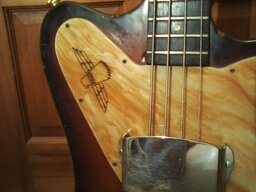
OK...I modified it! Ha
The Spitfire "helped" saved Britain with its Rolls Royce Merlin 1800 HP V12 engine and those huge wings for superb lift and agility along with their new fangled radar.
In the early '30s Fairy (mfg.) bought and crated a Curtiss V-12 to the UK, Mr. Royce's people did in fact inspect it, the Rolls Royce Kestrel and it's more successful variant the Merlin followed.
but it wasn't as sexy....kinda like more B-24s built than 17s although....heck, I think even a Lancaster looked better than the Lib...
I've been reading about all of these planes, if you were going to get shot at, your best chances were in a '17 by a significant margin. More than half the total number of Lancasters built were shot down, about 4700, worse yet, your chances of surviving were about 17% because it was nearly impossible to bail out of. WWI English Infantry had a better survival rate. Sir Aurthor Harris was even opposed to a design change of the forward escape hatch that would have helped crews get out of a stricken plane, he didn't want production interrupted. Mind you, the standard RAF fare was that it was "safer" to fly at night.
Being newer the '24 and the Lanc could carry more bomb load than a '17, but the'24 carried a good portion of it's fuel in the fuselage and it didn't take much to set it afire, about 31% survival rate for a bailout.
B-17s flew the majority of the 8th Air Force missions, it was a tough plane, but many were lost, crewman had about 48% survival rate after bailout. It carried it's fuel in the wings and thus were it to catch fire the crew had a better chance to get out.
I recently read "Big Week" which discusses the 8th's efforts to win air superiority over Europe, from Jan. '44 onward they took the fight to the Luftwaffe by flying to targets the had to defend. The 8th's fighter escort was given free reign to hunt the Luftwaffe, an effective change tactics instituted by James Doolittle.