• TalkBass has been independent since 1998. Add your voice.
    Create a free account to reply to discussions, view embedded media, and browse with fewer display ads.
    Join freeLog in
    Want zero display ads or expanded classifieds tools? Compare plans.

Transformers mounting ears on my SVT-VR, argh.

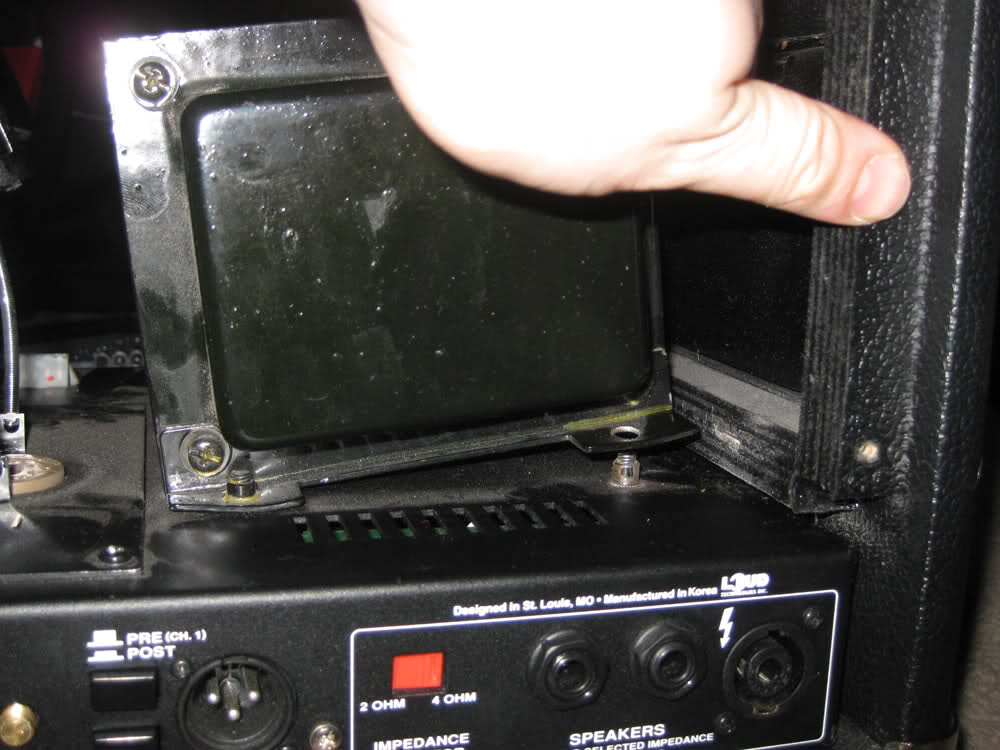
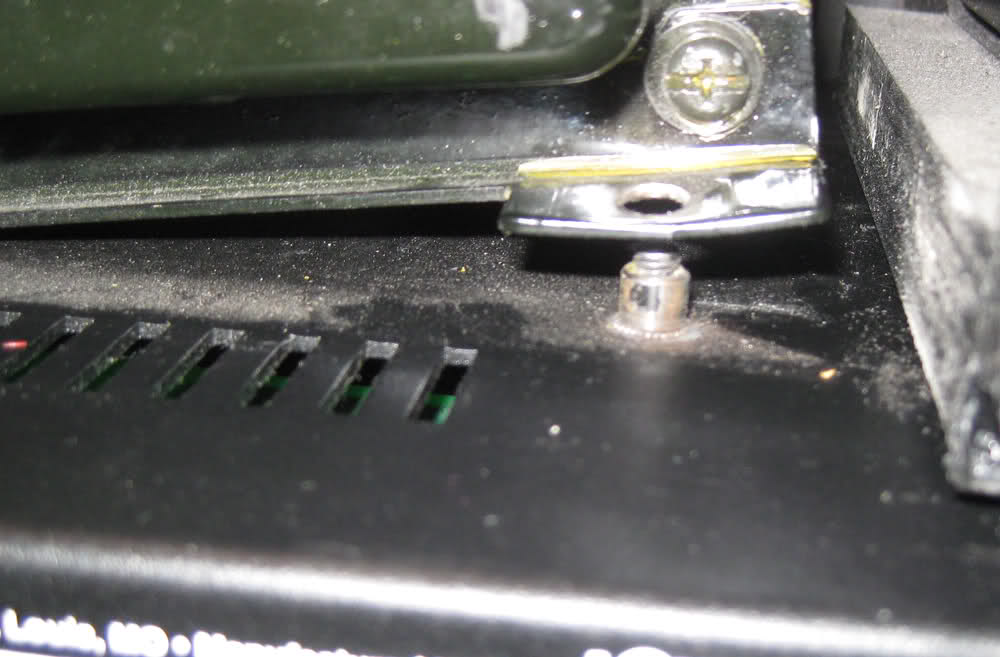
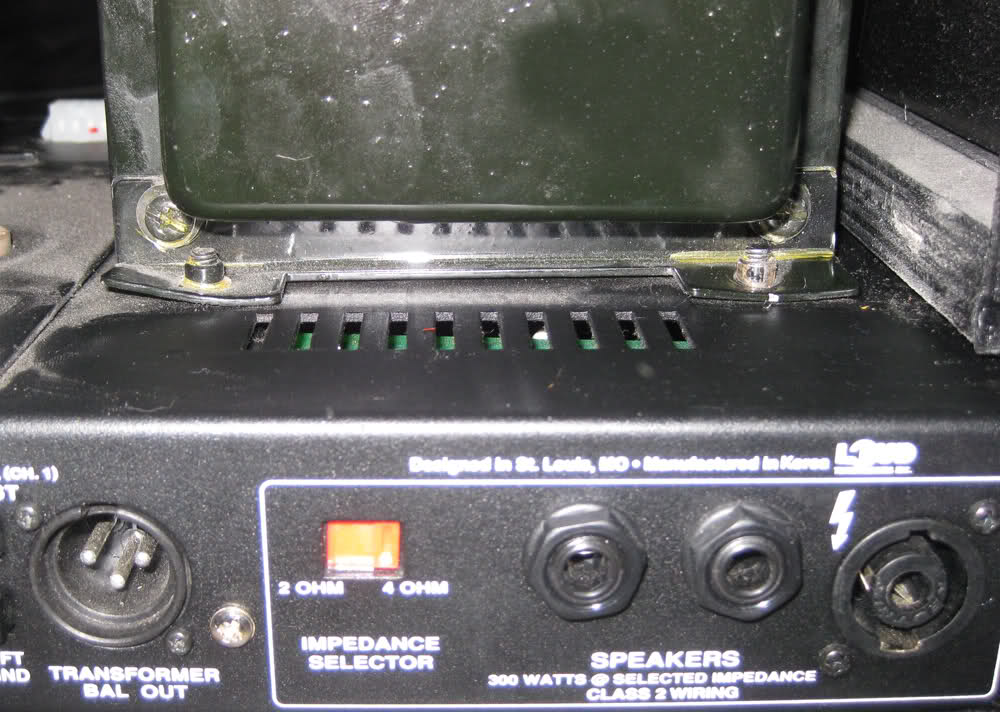
so today while opening up my new (new to me - bought it 2nd hand three weeks ago) SVT-VR to swap some preamp tubes I noticed this on transformer.
a6zpg.jpg

vghsnb.jpg

5wjxub.jpg

2qun8ds.jpg


so only two screws holding the transformer in place, the other two nuts have ripped through the bracket
and if I put the amp on its side, the weight of the transformer has been denting the opposiing bracket.
I guess the previous owner used to store his amp any which way. ****ing ****tard,


anyone have any ideas?
has this happened to anyone else?

 
Think it got dropped hard at some point? (Shipping?)

I once lost a Bag End driver's magnet in a 210 cab to a drop during shipping. The cab was at least 6 inches from the outside world on any side inside its boxes. How they did that one, I'll never know.
 
how were those round nuts designed so close in size to the hole?


this is far from the "mint" condition the seller described the amp to be in. ****er.
I never thought to shake the amp on its side when buying it to see that the transformers weren't rattling loose in the amp.
 
I think pop rivets are a bad idea on trannies in general, and especially on a monster bass one; knock em all out and put in some truss or pan head machine screws, beefy washers, and some sort of locking nut.
 
The round nuts are probably pressed-in threaded inserts:

Invalid Link Removed

Machine screws and nuts seems like the sensible repair. Don't do this yourself unless you are qualified to work on this kind of gear.
 
The round nuts are probably pressed-in threaded inserts:

And NOT the smartest idea with heavy parts..... you need thicker brackets, or old-fashioned bolts and nuts.

I'd not blame the previous owner.... those are a dumb idea. What is the date code? I didn't think SLM ever made any like that...... if so I sure never knew about it.... I was famous for testing stuff in a practical way*.... I'd have mounted one in a chassis and cabinet and dropped it 25 times upside down.

* I've crashed cabs with prospective tolex samples into doorways, hit the %$#@! OSB with hammers, pushed 'ATA flight cases" down the stairs, run caster samples over the edge of curbs and over door thresholds 50 times roughly, etc. (Yes, I've watched the roadies and BEEN a roadie sometimes).
 
Jerrold Tiers said:
And NOT the smartest idea with heavy parts..... you need thicker brackets, or old-fashioned bolts and nuts.

I'd not blame the previous owner.... those are a dumb idea. What is the date code? I didn't think SLM ever made any like that...... if so I sure never knew about it.... I was famous for testing stuff in a practical way*.... I'd have mounted one in a chassis and cabinet and dropped it 25 times upside down.

* I've crashed cabs with prospective tolex samples into doorways, hit the %$#@! OSB with hammers, pushed 'ATA flight cases" down the stairs, run caster samples over the edge of curbs and over door thresholds 50 times roughly, etc. (Yes, I've watched the roadies and BEEN a roadie sometimes).

That's definitely the right way to test gear. It also helps to understand how products are used, born of experience in the trenches.
 
Yep, those nuts are pressed or tack welded in place-it speeds factory assembly. OK for things that don't get moved around much. Not so good for amps. They all need to be removed and replaced with nuts and bolts. Nuts should be the Nylock type so they can't vibrate loose. I wouldn't advise you to attempt this yourself- there is dangerous voltage in there, even with the amp off and unplugged.
 
And NOT the smartest idea with heavy parts..... you need thicker brackets, or old-fashioned bolts and nuts.

I'd not blame the previous owner.... those are a dumb idea. What is the date code? I didn't think SLM ever made any like that...... if so I sure never knew about it.... I was famous for testing stuff in a practical way*.... I'd have mounted one in a chassis and cabinet and dropped it 25 times upside down.

* I've crashed cabs with prospective tolex samples into doorways, hit the %$#@! OSB with hammers, pushed 'ATA flight cases" down the stairs, run caster samples over the edge of curbs and over door thresholds 50 times roughly, etc. (Yes, I've watched the roadies and BEEN a roadie sometimes).

That's awesome. I'm gonna talk to my boss and see if we can't reinstate some real world crash testing...
 
* I've crashed cabs with prospective tolex samples into doorways, hit the %$#@! OSB with hammers, pushed 'ATA flight cases" down the stairs, run caster samples over the edge of curbs and over door thresholds 50 times roughly, etc. (Yes, I've watched the roadies and BEEN a roadie sometimes).
Wow, had I only known engineering was that cool where you get to break stuff...

:hyper:
 
I think pop rivets are a bad idea on trannies in general, and especially on a monster bass one; knock em all out and put in some truss or pan head machine screws, beefy washers, and some sort of locking nut.

Bit late in the day BUT: :D

the problem I see with nuts and bolts it that they can vibrate loose. The steel rivets can't. They are easily capable of holding down the heaviest transformer. If you should need to remove them they are simple to drill out.

However to each his own. :)
 
Bit late in the day BUT: :D

the problem I see with nuts and bolts it that they can vibrate loose. The steel rivets can't. They are easily capable of holding down the heaviest transformer. If you should need to remove them they are simple to drill out.

However to each his own. :)
Not a fan of drilling to remove parts, bro.