
Enjoy the benefits of a premium membership!
Upgrade Account
-
TalkBass has been independent since 1998. Add your voice.
Create a free account to reply to discussions, view embedded media, and browse with fewer display ads.
Join free Log in
Want zero display ads or expanded classifieds tools? Compare plans.
You are using an out of date browser. It may not display this or other websites correctly.
You should upgrade or use an alternative browser.
You should upgrade or use an alternative browser.
Unusual Rock Trivia?
- Thread starter Aberdumbie
- Start date
-
- Tags
- rock
More options
Who Replied?
Pete Townshend thought he was lifting his now-famous Windmill move from Keith Richards, because Pete saw Keith doing it as the curtain was rising at a Stones show. Later, after Pete had made it his big move, he talked with Keith about it and realized Keith was just stretching out his arm before starting to play.
Townshend's tradition of smashing his guitar also came about by accident. The Who was playing an early gig in a low-ceilinged room. At the end, Pete swung his guitar and it hit the ceiling and broke. The crowd went nuts, which prompted Townshend to start smashing his guitar at the end of each show. This profligate waste of gear was so expensive--since he had to buy a new guitar for every show--that it wouldn't be until Tommy that the band made any money.
Doesn't seem right that the band "making any money" hinged on Pete wrecking HIS gear!Townshend's tradition of smashing his guitar also came about by accident. The Who was playing an early gig in a low-ceilinged room. At the end, Pete swung his guitar and it hit the ceiling and broke. The crowd went nuts, which prompted Townshend to start smashing his guitar at the end of each show. This profligate waste of gear was so expensive--since he had to buy a new guitar for every show--that it wouldn't be until Tommy that the band made any money.

I saw a documentary on the Who and the Roadies started taking the smashed drums and guitars and glued them back together to re-smash again to save some money. They were merely props at that point. I always thought it was irresponsible and added nothing to the performances.Townshend's tradition of smashing his guitar also came about by accident. The Who was playing an early gig in a low-ceilinged room. At the end, Pete swung his guitar and it hit the ceiling and broke. The crowd went nuts, which prompted Townshend to start smashing his guitar at the end of each show. This profligate waste of gear was so expensive--since he had to buy a new guitar for every show--that it wouldn't be until Tommy that the band made any money.
Townshend's tradition of smashing his guitar also came about by accident. The Who was playing an early gig in a low-ceilinged room. At the end, Pete swung his guitar and it hit the ceiling and broke. The crowd went nuts, which prompted Townshend to start smashing his guitar at the end of each show. This profligate waste of gear was so expensive--since he had to buy a new guitar for every show--that it wouldn't be until Tommy that the band made any money.
AFAIK often the guitars were rebuilt. Sometimes they were hired guitars and returned to the hire location in pieces but the hire companies would eat the cost for the 'exposure' of being used by The Who. I find it hard to believe The Who didn't make any money until Tommy, though.
I hit a low ceiling with an instrument once in a similar manner, but it was a false ceiling with ceiling tiles and I broke the ceiling. The crowd didn't go wild. I did once smash up a very bad Strat copy and someone got hit in the face by one of the knobs that flew off!

Also wanna start an Kinda Okayest Bassist club
Saw this on Amazon. We now have the uniform of our new club.

Yes, that can be added in your signature.^When your responses add the "clubs" you are in here...How do you do that? Is it in "signature"?
I am WI bassist # 194...but nobody knows that...

I guess you never experienced any youthful angst. It was an accident that turned into theater/performance art...I saw a documentary on the Who and the Roadies started taking the smashed drums and guitars and glued them back together to re-smash again to save some money. They were merely props at that point. I always thought it was irresponsible and added nothing to the performances.
The Who’s Pete Townshend, Artist Gustav Metzger, Smashing Guitars & Light Shows
...and got them some attention in a competitive market.
Hey....I'm Okayer than you are!Saw this on Amazon. We now have the uniform of our new club.
View attachment 4007202
I guess you never experienced any youthful angst. It was an accident that turned into theater/performance art...
The Who’s Pete Townshend, Artist Gustav Metzger, Smashing Guitars & Light Shows
...and got them some attention in a competitive market.
Great song and interesting article. Thanks!
LOL I had my share of youthful angst but I used it to PLAY aggressive rock music in a band. I hated to see those guitars and equipment get smashed but they definitely got attention! Ha!
I think Keith Moon was banned from most Hotels since he literally destroyed the rooms too. To each his own!
Yes, Keith took hotel room destruction to new heights when he apparently nailed the furniture to the ceiling. (Or so it has been reported and told on numerous occasions. (The deed was done at a Holiday Inn I believe.)
He has to get marks for innovation surely?
In the early days the members of The Who used to fight quite a bit, particularly Roger and Pete and not just harsh words.... There seemed to be a level of aggression and angst that spilled out onto the stage and many reports from the early to mid 60's, sight damage bills at venues which were higher than their payments for the gigs.
He has to get marks for innovation surely?
In the early days the members of The Who used to fight quite a bit, particularly Roger and Pete and not just harsh words.... There seemed to be a level of aggression and angst that spilled out onto the stage and many reports from the early to mid 60's, sight damage bills at venues which were higher than their payments for the gigs.
Mick Mars (born Robert Alan Deal) of Motley Crue was born in Terre Haute, Indiana and his family moved to Garden Grove, California when he was a kid. He began playing guitar in a number of bands during the 1970s, sometimes using the name Zorky Charlemagne. One of the bands, Whitehorse, had a vocalist named Micki Marz who inspired his later name change. The name Mötley Crüe came about after Mick Mars remembered someone referring to an old band he was in as a "motley looking crew."
Jonathan Cain of The Babys, Journey, & Bad English was a survivor of the Our Lady of the Angels School fire in Chicago, IL on December 1, 1958 in which 92 students and 3 nuns died.
I saw The Babies like 4 times as backup bands for other headliners.Jonathan Cain of The Babys, Journey, & Bad English was a survivor of the Our Lady of the Angels School fire in Chicago, IL on December 1, 1958 in which 92 students and 3 nuns died.
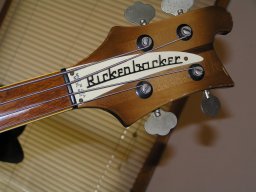
Chip Taylor is noted for writing "Wild Thing" and "Angel Of The Morning". His real name is James Voight and he is the brother of actor Jon Voight and Angelina Jolie's uncle.
Did you ever wonder who the first European acts were who hit #1 on the U.S. Billboard Pop Record Charts?
The first European act to top the U.S. charts was an Italian named Domenico Modugno who reached the top in 1958 with “Nel Blu Dipinto Di Blu (Volare)” which won Grammy Awards for Record Of The Year and Song Of The Year.
Next was German band leader Bert Kaempfert with “Wonderland by Night” in 1961.
The first British artist to score a U.S. No.1 single was Acker Bilk with “Stranger On The Shore” in 1962.
The first U.K. group to top the US charts was The Tornados with “Telstar” in December, 1962. Telstar won an Ivor Novello Award and is estimated to have sold at least five million copies worldwide. Clem Cattini, who played drums on “Telstar” went on to become well known for his work as a session musician, appearing on hundreds of recordings by artists as diverse as Engelbert Humperdinck and Lou Reed, and has featured on 44 different UK number one singles.
The second British group to top the U.S. charts was The Beatles in 1964 with “I Want To Hold Your Hand”. The group notched up 20 No.1 hits between 1964 and 1970.
Petula Clark became the first British female to top the American chart with “Downtown” in 1964 (the song also gave future Led Zeppelin guitarist Jimmy Page a No.1 as he played on the track).
The first European act to top the U.S. charts was an Italian named Domenico Modugno who reached the top in 1958 with “Nel Blu Dipinto Di Blu (Volare)” which won Grammy Awards for Record Of The Year and Song Of The Year.
Next was German band leader Bert Kaempfert with “Wonderland by Night” in 1961.
The first British artist to score a U.S. No.1 single was Acker Bilk with “Stranger On The Shore” in 1962.
The first U.K. group to top the US charts was The Tornados with “Telstar” in December, 1962. Telstar won an Ivor Novello Award and is estimated to have sold at least five million copies worldwide. Clem Cattini, who played drums on “Telstar” went on to become well known for his work as a session musician, appearing on hundreds of recordings by artists as diverse as Engelbert Humperdinck and Lou Reed, and has featured on 44 different UK number one singles.
The second British group to top the U.S. charts was The Beatles in 1964 with “I Want To Hold Your Hand”. The group notched up 20 No.1 hits between 1964 and 1970.
Petula Clark became the first British female to top the American chart with “Downtown” in 1964 (the song also gave future Led Zeppelin guitarist Jimmy Page a No.1 as he played on the track).
Our local band when I was growing up was called The Birds, they had really bad luck with their name. Starting out as The Thunderbirds, they had to change names when offered a good gig with a big name at the time who's backing band was also called The Thunderbirds. So they shortened it to The Birds and within a year were one of the top R&B bands in the UK, (back when R&B described a different music than it does today) with a couple of singles to their name and equal billing with bands like The Who at live gigs. Then a band from the USA, arrived to tour the UK, they were The Byrds, who were promoting their hit single "Mr. Tambourine Man". The UK Birds manager decided to sue The Byrds, to prevent them using that name in the UK, an ill advised decision which failed. Within a year or so The Birds had disbanded. One member Kim Gardner went on the form Ashton, Gardner and Dyke, while another member, Ronnie Wood joined a band called Creation and soon after joined Jeff Beck.
An interesting side note concerning the band Creation was it's guitarists (Eddie Phillips) use of a bow to play electric guitar on the bands 1966 single "Making Time". Believed to be the first time the use of a bow to play guitar was recorded. A couple of years later a certain Mr. J Page, borrowed the technique in his new band Led Zeppelin.
An interesting side note concerning the band Creation was it's guitarists (Eddie Phillips) use of a bow to play electric guitar on the bands 1966 single "Making Time". Believed to be the first time the use of a bow to play guitar was recorded. A couple of years later a certain Mr. J Page, borrowed the technique in his new band Led Zeppelin.
Gardner, while not the original bassist, was in The Creation before AG&D, and brought Wood in on guitar when Phillips left the band. Although Phillips was first, Page used the bow as far back as his time in the Yardbirds, late ‘66 through early ‘68. I always thought that the name “The Birds” was a little weird for a male English band, as it is Brit slang for ‘attractive young woman’, correct?Our local band when I was growing up was called The Birds, they had really bad luck with their name. Starting out as The Thunderbirds, they had to change names when offered a good gig with a big name at the time who's backing band was also called The Thunderbirds. So they shortened it to The Birds and within a year were one of the top R&B bands in the UK, (back when R&B described a different music than it does today) with a couple of singles to their name and equal billing with bands like The Who at live gigs. Then a band from the USA, arrived to tour the UK, they were The Byrds, who were promoting their hit single "Mr. Tambourine Man". The UK Birds manager decided to sue The Byrds, to prevent them using that name in the UK, an ill advised decision which failed. Within a year or so The Birds had disbanded. One member Kim Gardner went on the form Ashton, Gardner and Dyke, while another member, Ronnie Wood joined a band called Creation and soon after joined Jeff Beck.
An interesting side note concerning the band Creation was it's guitarists (Eddie Phillips) use of a bow to play electric guitar on the bands 1966 single "Making Time". Believed to be the first time the use of a bow to play guitar was recorded. A couple of years later a certain Mr. J Page, borrowed the technique in his new band Led Zeppelin.
Berlin's lead singer Terri Nunn was a Playboy starlet earlier in her career.
Sam Brown, known for her 1988 smash hit "Stop", is a daughter of a singer Vicki Brown, who's voice can be heared all over the 70's, including Pink Floyd, The Who, The Kinks, Elton John, Nazaeth, Carravam, etc.
All three Taylors of Duran Duran aren't relatives.
Sam Brown, known for her 1988 smash hit "Stop", is a daughter of a singer Vicki Brown, who's voice can be heared all over the 70's, including Pink Floyd, The Who, The Kinks, Elton John, Nazaeth, Carravam, etc.
All three Taylors of Duran Duran aren't relatives.
The Stuxnet virus, which was the virus that shut down Iran’s nuclear plants, made the emergency speakers blast “Thunderstruck” by AC/DC before shutting down all systems.


