Given your time constraints, I would stick with just making a body.
First, I'd take the neck you have to a store, and measure to see if the heel shape and bolt pattern are a generic Fender pattern. Assuming that they are, then you will have about a gazillion future neck upgrade choices available. In that case, I would say build now, and upgrade to a better neck when you have the time/money. Who knows, if you really enjoy the experience, a neck may be your next project.
It's generally accepted that a thin top doesn't do much to change the sound of the body wood, and is more for cosmetic purposes. However, 5/8th inch is thick enough that the walnut will impart some tonal qualities to the finished instrument. In my limited experience, walnut sounds fairly dark and full when it's used in a bass. So I would go for something brighter-sounding for the back.
Out of the available options, I wouldn't go with something really dense, like hard maple (also known as rock or sugar maple), because you're going to have the thing slung around your neck for years, if the project goes well. Ditto for the denser tropical hardwoods, like bubinga, wenge, etc. Personally, I wouldn't go with mahogany or koa behind walnut either, because I think the combination would probably be too dark sounding. Ditto for basswood.
I would consider soft maple (also known as big leaf maple), although it's still pretty dense and heavy (it's the stuff you see on curly or quilted maple tops). The finished bass would weigh a ton, but it would probably sound good in an articulate, fairly bright sort of way.
In the end, though, I'd probably go for Alder. Or maybe a medium-weight piece of swamp ash. I wouldn't want it too light, because really light, punky pieces of swamp ash don't have very strong bass response. Either wood would make for a good tonal balance, in more of a Fender-ish vein. And they're nice and light.
Color-wise, Alder's boring, but you don't need a flashy back with that top. I would probably stain it brown, or maybe amber, so that the colour gave a nice contrast against the walnut. If I couldn't work up a colour match I liked, I might stain or paint it black, like a Zon.
Whichever wood you go with, a contrasting veneer line sandwiched between the top and back would give it a deluxe look, if you have enough $$$ left. If you did go with a veneer, you'd want to make sure that it was one made from a hard, structurally trustworthy wood- for instance, some so-called "ebony" veneers, are actually made from dyed pearwood, which is soft and punky. Fine for cigar boxes, but not a good idea in the body of a musical instrument. I had a buddy whose home-made bass started to let go along a glue line between a couple of the laminations. Pretty depressing, especially underneath a laboriously-applied nitro finish.
On the question of whether to save the walnut for later, only you can make that call. It's not like that's the last piece of figured walnut on the planet. One of the nice things about building for yourself, is that you can redo until you're happy with it. The bass in my avatar had three different finishes by the time I was completely happy with it.
On that note, it's the first (and last) electric bass I ever built. My luthier buddy had a theory about building with plain lumber: If it came out well, I'd wish I'd used better wood. And if it came out poorly, at least it would look good on the rec room wall. I used the best lumber I could afford, and it came out well (it's been my main axe for 15 years), so I'm pretty glad I took his advice.




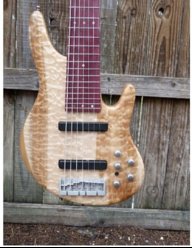



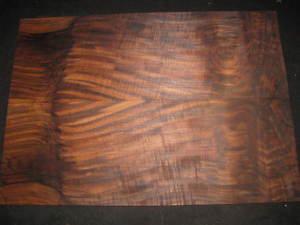
 , I have also built one more bass with a french walnut top and ash goes extremely well with it.