I guess I have different processes depending on where the wood comes from. I've found with driftwood, that treatment usually isn't
required, as everything is pretty inert at the point of being washed up on the beach. It appears that naturally occurring resins are largely washed away by the time spent in the ocean (and who else knows where) on it's trip to my local beach.
When I first started earnestly building with driftwood, I was actually mostly concerned about salt content, and potential effects with gluing, and also finishing. That and ensuring moisture content was low. I've found that even a waterlogged piece can be bucked up and turned into an 8/4 billet after just a couple of weeks in my backyard. From that point, it will get down to 6-8% in the span of a few weeks, rather than a few years as with felled lumber. I've assumed (perhaps wrongly) that this is also due to the naturally occurring resins being mostly washed away from the timber by the time I get it.
I use epoxy glue, but have found that titebond, along with just about every other kind of glue works just fine with driftwood. Once I use it, and then get the instrument into shape, I soak the driftwood with thinned epoxy. I've recently used a System Three product called "Rot Fix" with good success, and I have some test pieces that were done with PC-Petrifier. I plan to put epoxy and a Tru-Oil finish on them to see if that stuff works equally well. So far, the test pieces are quite hard.
When it comes to found or felled spalted woods, I first soak them with vinegar. Mostly to help harden them, but also to help kill microorganisms. When I use these woods, I soak the boards front and back with thinned epoxy before the glue up. I haven't tried PC-Petrifier for this, but I have a big rotten stump I plan to use, so I'll try it on it. I also soak the edges and sides of routed cavities, and the routed edge of the instrument. Just in case...


 . I'm joking, it was surprisingly solid actually as the crack didn't run all the way up or through in places. It was glued up with (black) Epoxy anyway, so it was rock solid after that...but I was tempted to leave it open at one point! It's been finished for 5 months (ish) now and holding up fine.



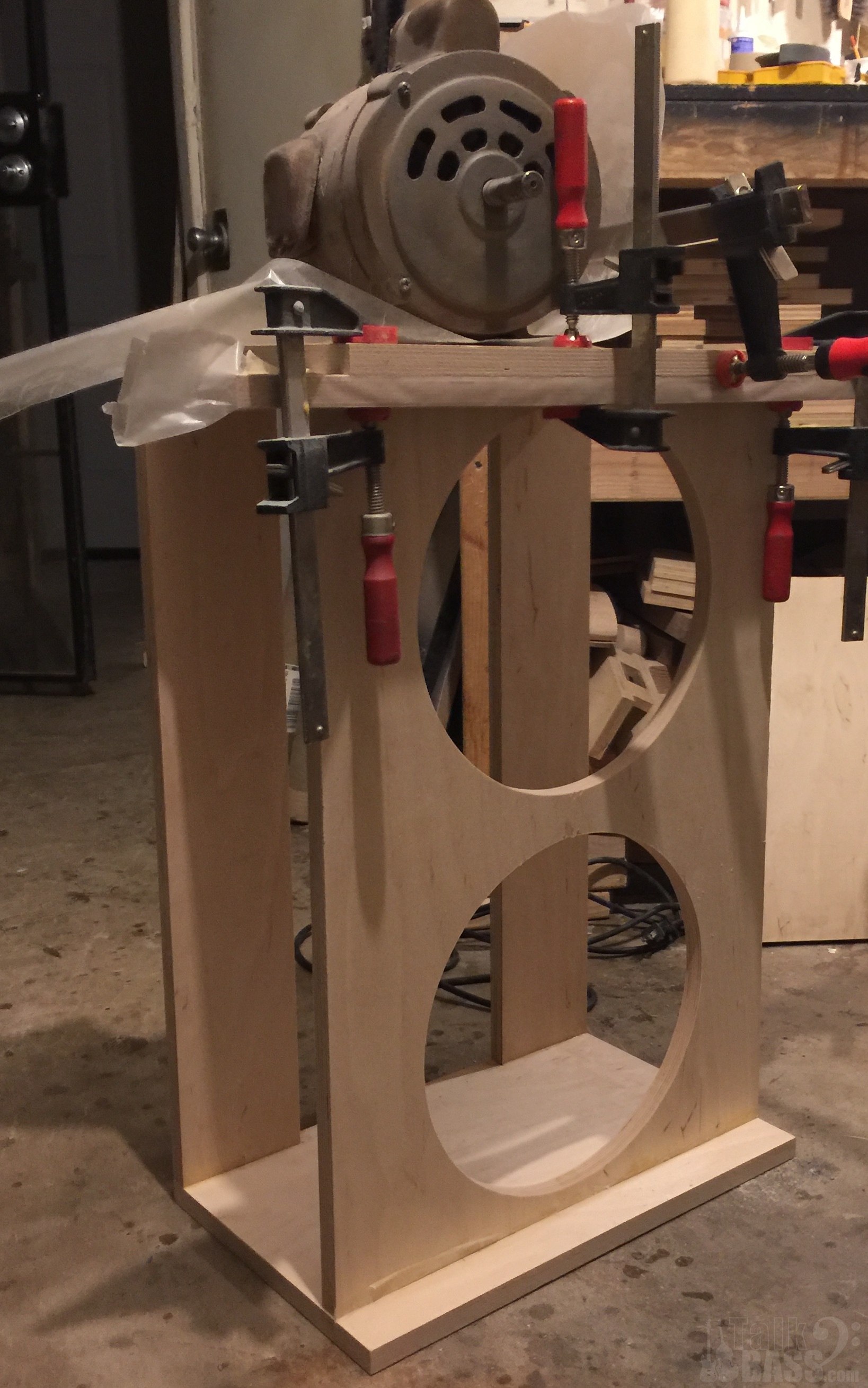
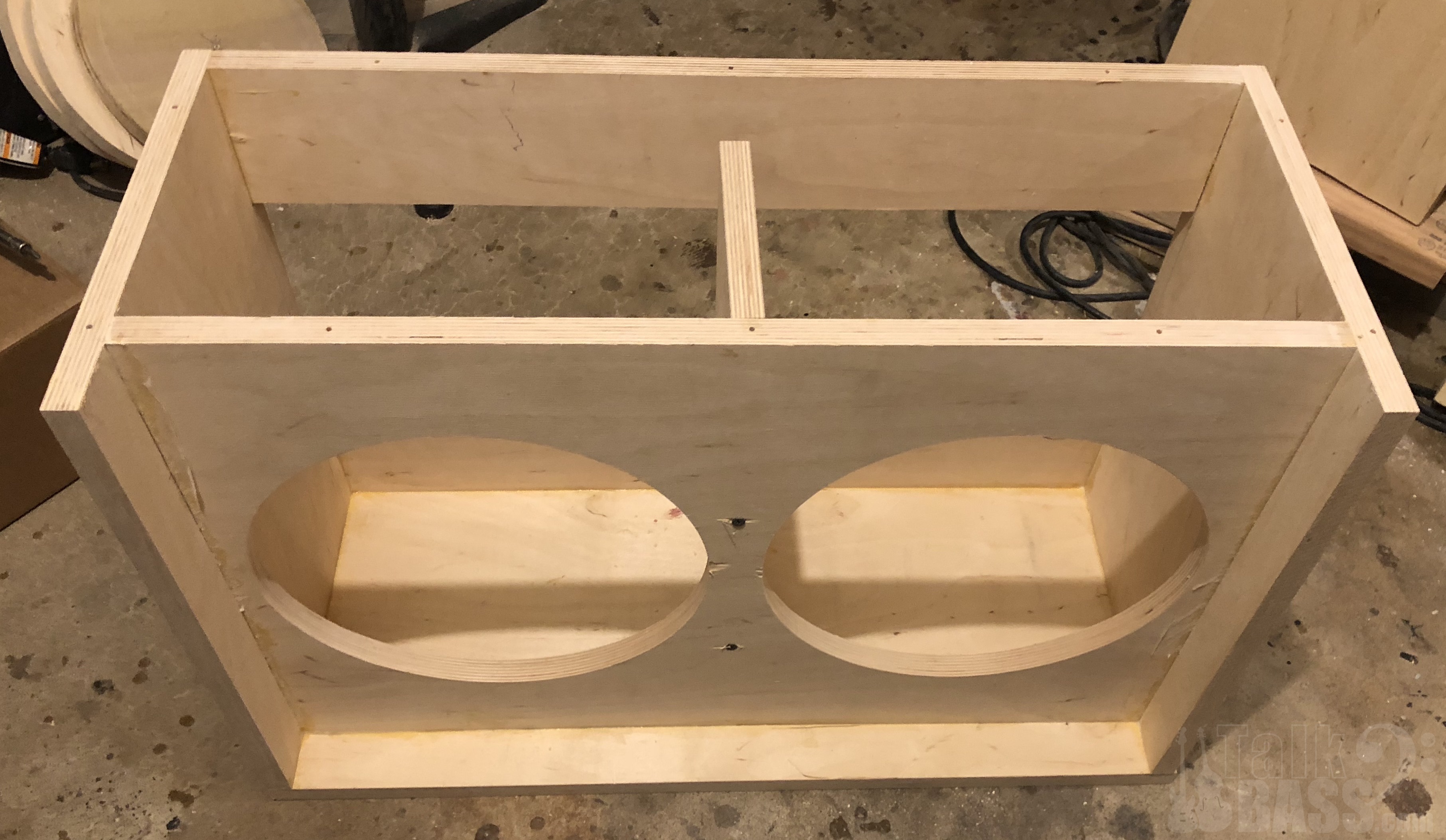
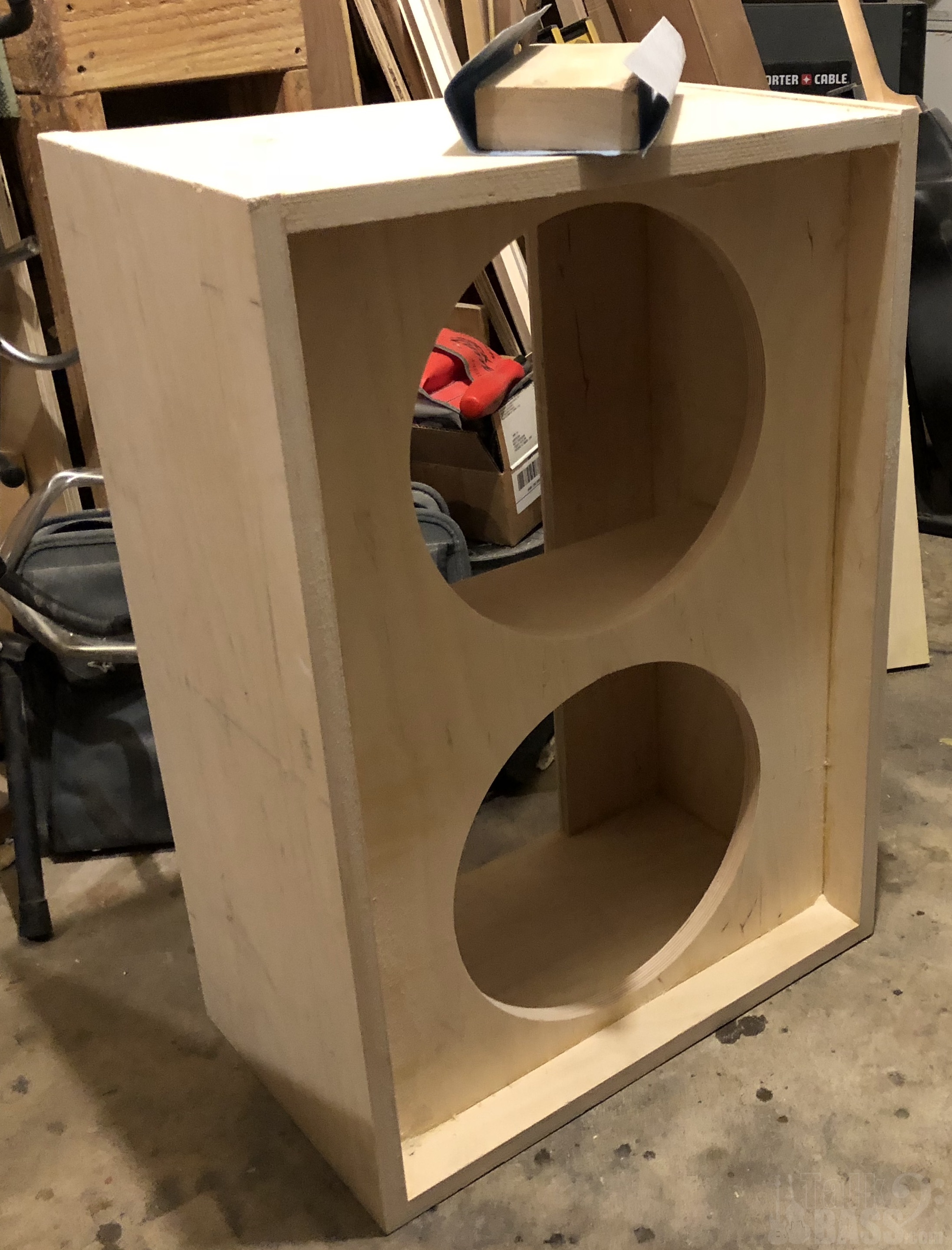
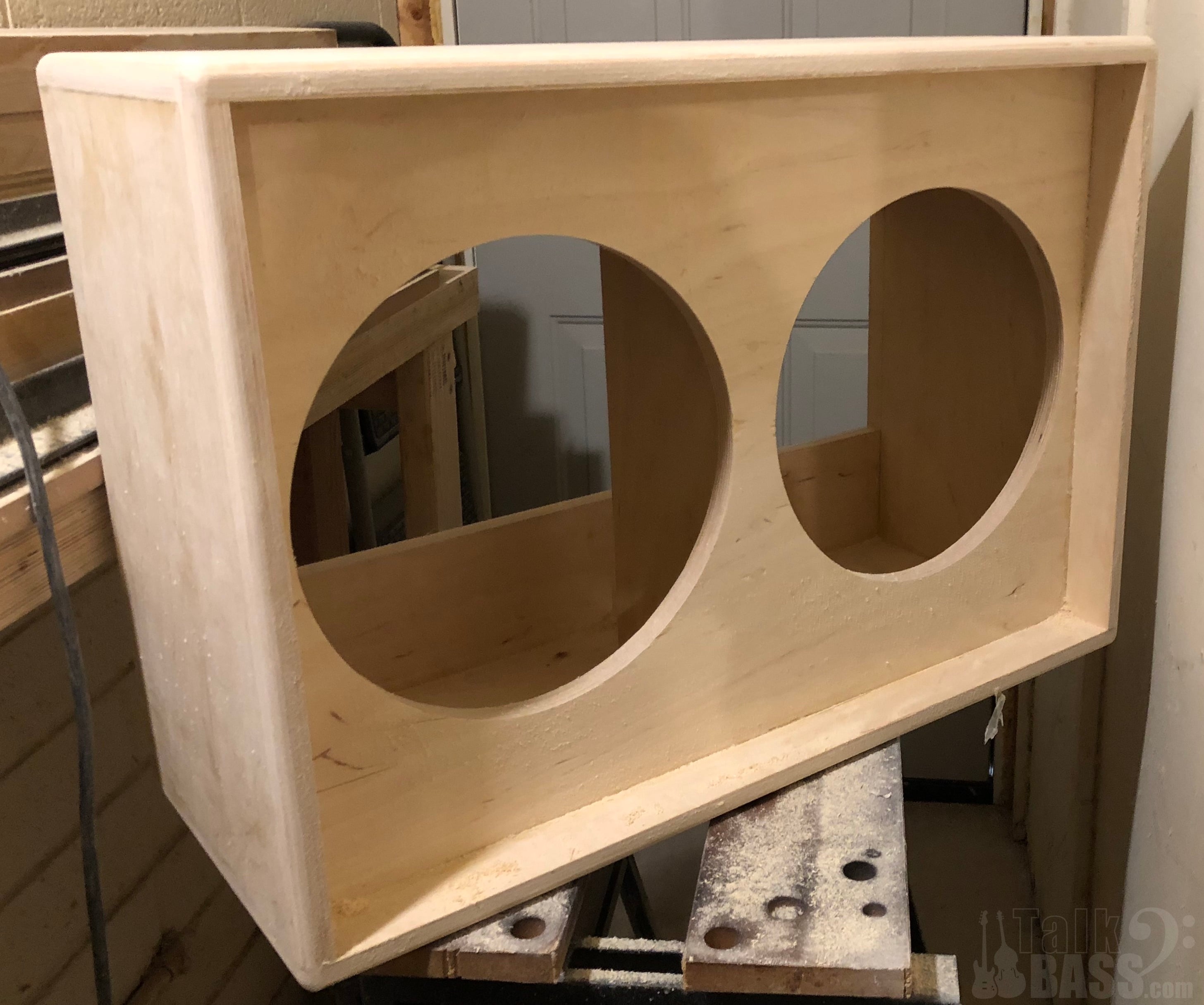



 Time to dive back into building, including finishing up my builds from last years build off.







 Far-out!


