
Enjoy the benefits of a premium membership!
Upgrade Account
-
TalkBass has been independent since 1998. Add your voice.
Create a free account to reply to discussions, view embedded media, and browse with fewer display ads.
Join free Log in
Want zero display ads or expanded classifieds tools? Compare plans.
You are using an out of date browser. It may not display this or other websites correctly.
You should upgrade or use an alternative browser.
You should upgrade or use an alternative browser.
Where are the British brands?
- Thread starter PennyroyalWe
- Start date
More options
Who Replied?

There is Kinkade, whom I lived next door to at University. They specialise today in acoustic, but way back, they made electric semis too. I got my bass set up there once, and lamented to Johnny Kinkade (the owner) that I was struggling to find a good, lightweight solid-body lefty that didn't cost the earth. He offered to build me one out of alder with a slightly smaller Precision-ish shape that would weigh no more than 8 lb. £500 I recall, which was considerably less than an entry-level Fender bass or Steinberger at the time, and barely more than a production-line Yamaha BB. Stupidly, I decided on a used Westone in "Essex white", which I sold after a year and never replaced.
The only basses Kinkade makes today are acoustics, but they'll probably still do something custom.
The only basses Kinkade makes today are acoustics, but they'll probably still do something custom.
Check out Overwater and Alpher.
+1 for Overwater. They make superb basses.
There wasn't the same kind of luthiery heritage in the UK to capitalise on the beat boom really. A lot of pre-rock and roll guitars were either cheap American or German imports, then the Shadows got Fenders and the Beatles played Rics and it was all over... Those import instruments were still very expensive to your average teenager so outside of professional bands you were more likely to find Burns and Watkins guitars (and amps) but they just didn't survive into this century so you don't hear about them as much.
Amp companies got more of a headstart because Vox had already existed as Jennings Organ since the post-war era building the Univox synth and got the Shadows boost from the early AC15, then Jim Marshall started modding Bassman amps to meet demand and worked out he could probably build them to fill the market gap.
Back in the ‘60s some of the big British brands used to outsource instrument production. A lot of the Vox guitars and basses were made in Italy. Rose Morris used to add their own badge to imported instruments of wildly variable quality, they sold some terrible bargain basement stuff but also offered re-badged Rics and Hagstroms. But yeah, back then American guitar into British amp was the way to go.

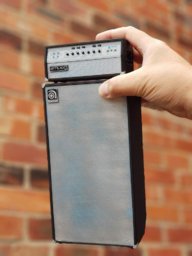
Here's a list i found, hope it helps
Sims Guitar Works UK | Super-Quad Pickups, Enfield Bass Guitars, Spray Shop, Custom LEDs, Pickguards, Servicing, Repair Enfield
AC Guitars | The home of ACG ACG
[Invalid or Expired Link Removed] Fret-King Green Label
GB Guitars by Bernie Goodfellow GB
welcome to the gus guitars website Gus
Link Removed Jaydee
Jim Fleeting Guitars | Custom Guitars and Repairs Jim Fleeting
https://ashdownmusic.com/collections/basses
http://www.mansonguitars.co.uk Manson
http://www.overwaterbasses.com Overwater
http://www.seibass.com Sei
http://www.shukerguitars.co.uk Shuker
http://www.status-graphite.com Status
https://walbasses.co.uk/ Wal
Link Removed Zoot
http://www.chrislarkinguitars.com/ Chris Larkin
http://www.crimsonguitars.com/ Crimson Guitars
http://gedgreen.co.uk Ged Green
Link Removed Kevin Chilcott
http://www.mcintyreguitars.com McIntyre Guitars
http://www.moonguitars.co.uk Moon Guitars
http://www.siggeryguitars.co.uk Siggery
Sims Guitar Works UK | Super-Quad Pickups, Enfield Bass Guitars, Spray Shop, Custom LEDs, Pickguards, Servicing, Repair Enfield
AC Guitars | The home of ACG ACG
[Invalid or Expired Link Removed] Fret-King Green Label
GB Guitars by Bernie Goodfellow GB
welcome to the gus guitars website Gus
Link Removed Jaydee
Jim Fleeting Guitars | Custom Guitars and Repairs Jim Fleeting
https://ashdownmusic.com/collections/basses
http://www.mansonguitars.co.uk Manson
http://www.overwaterbasses.com Overwater
http://www.seibass.com Sei
http://www.shukerguitars.co.uk Shuker
http://www.status-graphite.com Status
https://walbasses.co.uk/ Wal
Link Removed Zoot
http://www.chrislarkinguitars.com/ Chris Larkin
http://www.crimsonguitars.com/ Crimson Guitars
http://gedgreen.co.uk Ged Green
Link Removed Kevin Chilcott
http://www.mcintyreguitars.com McIntyre Guitars
http://www.moonguitars.co.uk Moon Guitars
http://www.siggeryguitars.co.uk Siggery
Here's a list i found, hope it helps
Sims Guitar Works UK | Super-Quad Pickups, Enfield Bass Guitars, Spray Shop, Custom LEDs, Pickguards, Servicing, Repair Enfield
AC Guitars | The home of ACG ACG
[Invalid or Expired Link Removed] Fret-King Green Label
GB Guitars by Bernie Goodfellow GB
welcome to the gus guitars website Gus
Link Removed Jaydee
Jim Fleeting Guitars | Custom Guitars and Repairs Jim Fleeting
Basses
http://www.mansonguitars.co.uk Manson
Overwater Basses Overwater
http://www.seibass.com Sei
http://www.shukerguitars.co.uk Shuker
http://www.status-graphite.com Status
https://walbasses.co.uk/ Wal
Link Removed Zoot
http://www.chrislarkinguitars.com/ Chris Larkin
http://www.crimsonguitars.com/ Crimson Guitars
http://gedgreen.co.uk Ged Green
Link Removed Kevin Chilcott
http://www.mcintyreguitars.com McIntyre Guitars
http://www.moonguitars.co.uk Moon Guitars
http://www.siggeryguitars.co.uk Siggery
Sims Guitar Works UK | Super-Quad Pickups, Enfield Bass Guitars, Spray Shop, Custom LEDs, Pickguards, Servicing, Repair Enfield
AC Guitars | The home of ACG ACG
[Invalid or Expired Link Removed] Fret-King Green Label
GB Guitars by Bernie Goodfellow GB
welcome to the gus guitars website Gus
Link Removed Jaydee
Jim Fleeting Guitars | Custom Guitars and Repairs Jim Fleeting
Basses
http://www.mansonguitars.co.uk Manson
Overwater Basses Overwater
http://www.seibass.com Sei
http://www.shukerguitars.co.uk Shuker
http://www.status-graphite.com Status
https://walbasses.co.uk/ Wal
Link Removed Zoot
http://www.chrislarkinguitars.com/ Chris Larkin
http://www.crimsonguitars.com/ Crimson Guitars
http://gedgreen.co.uk Ged Green
Link Removed Kevin Chilcott
http://www.mcintyreguitars.com McIntyre Guitars
http://www.moonguitars.co.uk Moon Guitars
http://www.siggeryguitars.co.uk Siggery
No basses but...
Great British guitars - Gordon Smith Guitars
...our lead guitarist used to have a GS1 in British Racing Green, lovely guitar.
Great British guitars - Gordon Smith Guitars
...our lead guitarist used to have a GS1 in British Racing Green, lovely guitar.
Wem?Overwater and Wal and plenty of niche artisans. Burns is allegedly coming back again, again. I've been waiting to order a next gen Bison because they understand the definition of "cool".
Hayden guitar amps. Mmmmm. Orange. RotoSound. Laney. Shergold. Wilkinson?

Burns was purchased this year. Supposed to be having a sort of 'resurrection' in 2021.
Burns Guitars London
Burns Guitars London



... on a side note, for years after I started playing I had thought that Rickenbacker was British, because Brits are who seemed to always be using them. The jangle of the British Invasion is a Ric guitar, Macca, Chris Squire, Lemmy, etc. Kinda blew my mind when I found out Ric is American.[/
That’s funny, as I always thought the same as well. My Sister was a huge Beatles fan, and for her Graduation present, my Dad gave her a Rick Guitar, similar to George Harrison’s. I was a teen, already playing bass in the era of Jackson and other pointy guitars, then I saw this highly regarded, yet awkward instrument with horns that looked like a baby bird with its beak wide open, receiving sustenance from a guitar neck. Summed it up as British thing, like the guys who played with their basses tucked up in their armpits.

Bit of a shower thought today; why aren’t there more (any?) MAJOR British bass/guitar manufacturers? When it come to amps they’ve got some legendary giants with Vox, Marshall, and Orange all hailing from Britain. Yet, the only British guitar/bass brands that I know of (not to say that’s a fully comprehensive knowledge) are Burns and Chowny, both of which I would consider pretty niche. Is it because of some comparative advantage in manufacturing electronics, prior to outsourcing manufacturing to the Far East? Some laws or regulations that made instrument making less lucrative?
on a side note, for years after I started playing I had thought that Rickenbacker was British, because Brits are who seemed to always be using them. The jangle of the British Invasion is a Ric guitar, Macca, Chris Squire, Lemmy, etc. Kinda blew my mind when I found out Ric is American.
Wal, anyone? I had heard they were back in production a couple of years ago.
John

2008 IIRCWal, anyone? I had heard they were back in production a couple of years ago.
John
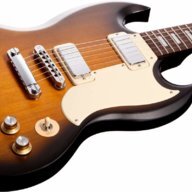
Lol GC bankrupt pretty quick after that whole fiasco last year has got to be embarrassing for Chapman. Which, they are just scheceter, Ltd, PRS AE, Ibanez with a new label. Not very interesting. Imo they belong in GC since customers there are usually ‘new’ players and want something that looks coolChapman appears to be out of the bass game.
In some ways, I think they made a mistake going with Guitar Center as their exclusive dealer in the USA. If they had gotten proper distribution and had their instruments show up in smaller shops, they’d probably sell better.
Just doesn’t seem to be a “Guitar Center customer” type of brand.
British amps and American guitars. That’s just the way it happened. There are plenty of British guitar makers but none ever became as popular as Fender,Gibson and Rickenbacker. Maybe because the early British Invasion bands were heavily influenced by American blues, the American guitars were considered more authentic ? Maybe it was a lot easier and profitable to import American guitars than big bulky Fender amps, leaving the British domestic amp market to the domestic manufacturers ? The 60s and 70s were amazing times for British amplification. Marshal, WEM, Matamp/ Orange, Simms-Watts, Sound City, Vox. As far as guitar amps during the same period the U.S. it was pretty much just Fender. But when it came to bass amps the American amps dominated first with Ampeg and then Acoustic became very popular as well. Trace Elliot were the first really serious British bass amp but they didn’t appear until the 1980s.


