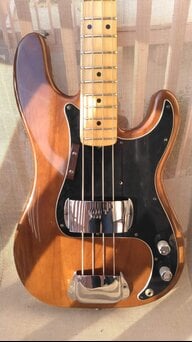
Ebony, I play fretless, it's hard, pretty, and traditional for stringed instruments. As a bonus the inappropriate humor when discussing this is priceless.
Last edited:

TalkBass has been independent since 1998. Add your voice.
Create a free account to reply to discussions, view embedded media, and browse with fewer display ads.
Join free Log in
Want zero display ads or expanded classifieds tools? Compare plans.
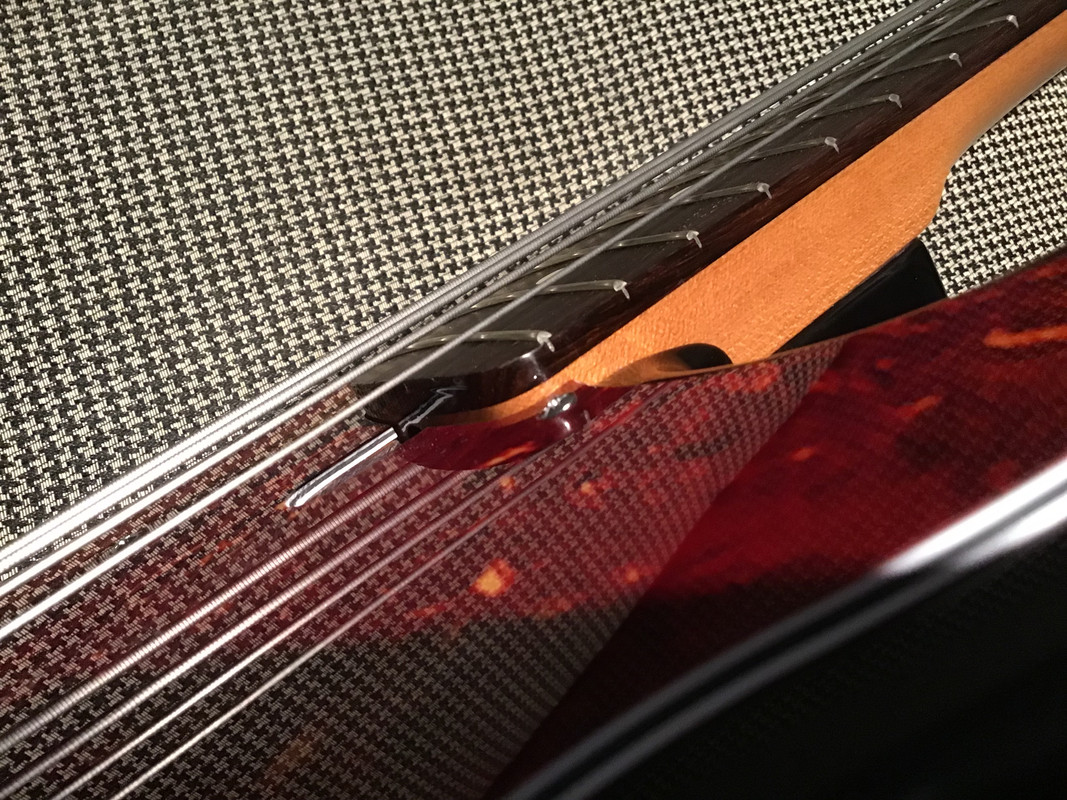
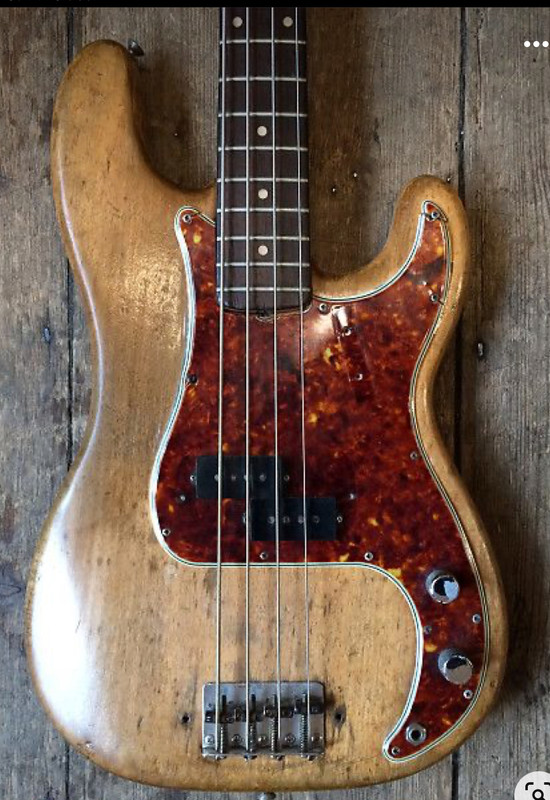

Wait....it sounds rounded edges?Thick slab of dark rosewood for me. Looks good from day one and will still look good 40+ years later. Sound wise, seems to be fat and rounded edges but you can adjust tone by changing the pickups and strings according to me.
Yes, at least for me ! That said, I can make my thick rosewood fretboard bass scream like hell when playing rock by adjusting the EQ and playing it harder with no issue.Wait....it sounds rounded edges?
.....isn't that like saying is sounds blue?
Your rosewood fretboard is twice as hard as a maple fretboard...Yes, at least for me ! That said, I can make my thick rosewood fretboard bass scream like hell when playing rock by adjusting the EQ and playing it harder with no issue.




You and millions of others.I thought maple was harder?

You and millions of others.
Maple is half as hard as Rosewood.
Hard Maple 1450 on the Janka hardness scale.
Brazilian Rosewood 2790 on the Janka hardness scale.
I think because the Maple used for necks is Hard Maple, also called Rock Maple, Hard Rock Maple, Canadian Hard Rock Maple.
Then our eyes take over and see nice soft brown, warm, chocolate, rich dark chocolate colored Rosewood and we do what humans do with our powerful brain.
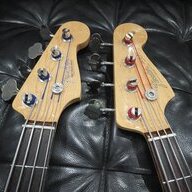
You might be right.You and millions of others.
Maple is half as hard as Rosewood.
Hard Maple 1450 on the Janka hardness scale.
Brazilian Rosewood 2790 on the Janka hardness scale.
I think because the Maple used for necks is Hard Maple, also called Rock Maple, Hard Rock Maple, Canadian Hard Rock Maple.
Then our eyes take over and see nice soft brown, warm, chocolate, rich dark chocolate colored Rosewood and we do what humans do with our powerful brain.
I think it is similar to our brains telling us a hot red car is faster than a cream colored one.

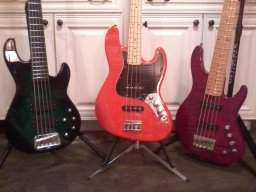
Must agree with you………..Your rosewood fretboard is twice as hard as a maple fretboard...
if it made a difference (I don't believe we can hear it) your rosewood board should always scream more than a maple one.
But you are using descriptors like "sounds rounded edges" and "scream like hell" which to me is like saying a particular wood sounds blue as opposed to triangular.
Why would one fretboard wood be better or worse for rock music than another?
Have you ever done blind tests with the same bass by only changing the neck?
I recently changed the neck on a 80's Peavey Fury bass, the original was a 1987 all maple Fury neck and now it has a 1987 Fury neck that has a rosewood fretboard....
the bass sounds the same now as it did before.
That's because it has all the same parts with just a change in fretboard wood.
The important parts that stayed the same are...the pickup, strings, amp, scale length, frets, and the same person playing it the same way.


