• TalkBass has been independent since 1998. Add your voice.
    Create a free account to reply to discussions, view embedded media, and browse with fewer display ads.
    Join freeLog in
    Want zero display ads or expanded classifieds tools? Compare plans.

Double Bass Why not make Upright Bass Necks Bolt ons?

There have been a lot of arguments in the guitar-making world about traditional neck joins vs bolt-ons and I think bolt-ons are much more accepted now especially since Taylor started doing them. I know a Spanish guitar maker who swears by bolt-on necks even though he was taught the good old Spanish method. From speaking to him I believe they are more stable in the long-term not to mention easier to deal with for repairs. I have a number of guitars/ukes with bolt-on necks. My Cleveland bass has a bolt-on neck and apart from being fantastic for travel I can't tell any difference compared to previous basses I've owned made with traditionally-joined necks.

Going off of what Adiran says. From what I understand bolt on becks can help a basses sound by allowing the neck to vibrate more freely, while also remaining stable. There are other upsides as well, if there is an issue with the top of the instrument, and the luthier couldn't access it, they would have an easier time. If a neck were to break, the repair would be a ton easier, since the joint could be made to be interchangeable.

The issues I have with removable necks
  1. The hardware, will it rust/oxidize, will it buzz, and will I have to worry about it (Is it built for longevity) CF instead of metal?
  2. What's the best way to hide the procedure, a removable dowel?
  3. What if I don't want to travel, and I want something more permanent with a glueless joint?
  4. Who does the best job?
I really like this thread, and really like that it touches on a topic you don't hear about enough (Something I've looked up a few times to learn more)
 
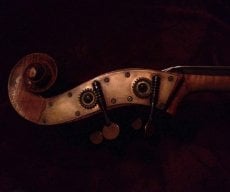
There you go. Not the prettiest in my opinion, but when the neck warped it sure was easier to pull the neck off, straighten it out, drop some carbon fiber inserts into it and glue on a new fingerboard.

It also has made swapping a three string neck in and out possible. The only thing that has done though has made me interested in getting a dedicated 3 string bass. Luckily I recognize that would just be silly. And expensive.

Finally, in the words of the luthier "glue has no resonating properties." He may have a point.
 

Attachments

  • image.jpg
    image.jpg
    690.3 KB · Views: 71
Last edited:
You guys are beating a dead horse. It is being done. This is not a technology or a design issue. When more people start asking for AND buying basses with removable necks, you see them more often in the trenches. Good basses last for hundreds of years, so it will take a bit to catch up to the current supply.
 
I an just in the middle of a neck repair..I have chiseled out the neck pocket and it seems to me that a bolt on system using captive nuts for wood and some hex bolts is the way to go..Once I have drilled through the neck and into the block I can place the captive nuts with 1 meter threaded bar through the end pin hole and then pull them into the pine block using the hex bolts..its a cheap ply bass for rockabilly so I don't expect too much loss of sound quality and hey if the neck ever breaks its an easy repair..anybody got any top tips or doubts
 

Latest posts