I was just about to check the news to see if you were trapped in a well, or coal mine.
That's all looking pretty fantastic.
That's all looking pretty fantastic.

TalkBass has been independent since 1998. Add your voice.
Create a free account to reply to discussions, view embedded media, and browse with fewer display ads.
Join free Log in
Want zero display ads or expanded classifieds tools? Compare plans.

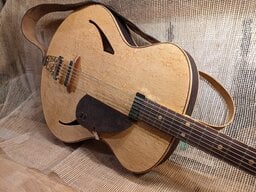
Let's see how this looks when the clamps come off tomorrow, but so far so good.View attachment 4768088
I must have heard the phrase ‘bass boat’ and misunderstood the instructions.SBO = summer boat off?
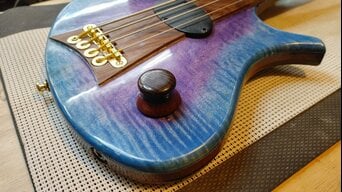



Thinking about the top and back now, and wondering why violin-family instruments usually have the top and back overhanging the sides. I'm not finding any definitive answer. The best speculation I've seen is that it's an aid to repair; when reassembling an instrument that has been taken apart, you don't have to worry so much about alignment between the sides and top/back.
I did consider it but decided not to because the top is so narrow; the bass bar and sound post would be right up against the sides. Structurally they don't seem necessary to help carry the load since the bridge feet are already nearly on top of the sides. Sonically, I don't expect it to work as an acoustic instrument anyway since the volume is so small.Sorry if I missed it, but are you using a bass bar and/or sound post, like in a double bass? Or do you think that's unnecessary? They do serve sonic functions.

are you going to instal electronics to compensate?I did consider it but decided not to because the top is so narrow; the bass bar and sound post would be right up against the sides. Structurally they don't seem necessary to help carry the load since the bridge feet are already nearly on top of the sides. Sonically, I don't expect it to work as an acoustic instrument anyway since the volume is so small.
But I'm prepared to be convinced otherwise!
OK, sure, that makes sense. It's not as if you'll have vibrating top and back "plates" as with an upright and the top and back won't need the structural support.I did consider it but decided not to because the top is so narrow; the bass bar and sound post would be right up against the sides. Structurally they don't seem necessary to help carry the load since the bridge feet are already nearly on top of the sides. Sonically, I don't expect it to work as an acoustic instrument anyway since the volume is so small.
But I'm prepared to be convinced otherwise!

Yeah, it's going to have a piezo pickup in the bridge.are you going to instal electronics to compensate?
I've done it. There is no support above or below the wood being cut, so be extra careful to avoid tearout.I wonder if it's OK to use a template following bit with a larger bearing, e.g. put a 1/2" bearing on a 1/4" bit. Then I could run the bearing against the side and easily create a consistent overhang. That seems like it should be fine.
Good to know. Thank you.I've done it. There is no support above or below the wood being cut, so be extra careful to avoid tearout.