Yes, most fretted instruments suffer from this. The solution to this is pretty wild, though.
[Invalid or Expired Link Removed]
about 50 sec in..

TalkBass has been independent since 1998. Add your voice.
Create a free account to reply to discussions, view embedded media, and browse with fewer display ads.
Join free Log in
Want zero display ads or expanded classifieds tools? Compare plans.
Yes, most fretted instruments suffer from this. The solution to this is pretty wild, though.
[Invalid or Expired Link Removed]

Yes, most fretted instruments suffer from this. The solution to this is pretty wild, though.
[Invalid or Expired Link Removed]
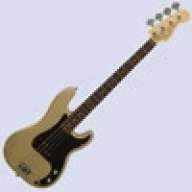
the almost universal dependence on the intonation being adjusted soley at the bridge.
Yes, most fretted instruments suffer from this. The solution to this is pretty wild, though.
[Invalid or Expired Link Removed]

Neck dive. But weight overall. I'd love to see a five pound (or less), well balanced take on P bass.

Personally, I hate that basses don't come with a straplock system by default. On both of my basses and my guitar my dad and I have applied far too much effort getting straplocks installed, and the crummy little strap buttons that are on basses by default never work for me for an extended period.

I think weight is a personal preference. I personally cannot play a bass that weighs less than 9 pounds.


+1
I know there are different types and stuff, but I think any bass without straplocks is asking to get dropped on the floor.
Also, I think the lack of proper shielding/grounding could be a good, almost universal gripe. That, or lack of all pickups being humbucking.
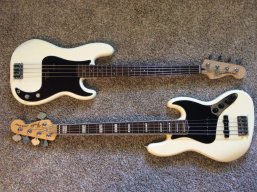
A 7 pound P-Bass neckdives way more than a 10 pound P-bass.

Some of the ricks have REALLY weak necks (near the headstock is their weakest point and they can break near the body too.) Neck warps occur sometimes. Still, their tone is worth all the **** in the world.



What do you think is the worst design flaw that is almost universally present in production basses?