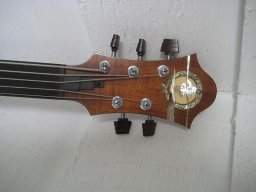
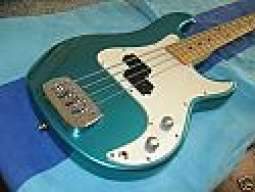
Active basses come in three flavors, those with active pickups, those with passive pickups and an in-bass preamp/EQ (like the SR605), and I assume there are some that have both active pickups and in-bass preamps. There probably are some exotic pickup designs that need an internal preamp to function well at all but this is not a sign of "weakness", it merely indicates the use of a different technology that may well be very "strong" in most respects. The pickups in an active bass that has passive pickups with an in-bass preamp are typically identical to those you might find in a passive bass. There is nothing weak or strange about them.
The biggest sonic difference between active and passive basses is in how the pickups are loaded. In a passive bass they are loaded with a passive tone control, pot resistances, and a cable to the stage amp that may be quite long and highly capacitive. In a lot of active basses the pickups go right into a high impedance buffer amplifier and they see none of these loading effects (except maybe the resistance of a pan/balance pot) so they will sound different. This is the only real reason to prefer passive over active as far as I can see and you can build (or modify) active basses with passive tone controls before the preamp if you want to recapture that passive sound better.
Sure, an active bass is a bit less reliable than a passive. Adding complexity to a system never increases reliability. But they are so reliable that it makes no difference. As long as you can remember to manage your battery you will be fine and as brain dead simple as that is, it still trips up some owners. Don't be offended if you are one, it is not a matter of intelligence but rather personality and a lot of highly creative people have trouble dealing with mundane details. Albert Einstein was rumored to have trouble doing his income tax returns after all....
Ken