At the moment, nothing can "do it all", other than the $11 SX with the right technique.
Still, a good onboard EQ can have a nice range of tones. Everything? Not hardly.
I know. Guess it's just something else that's not being read.


TalkBass has been independent since 1998. Add your voice.
Create a free account to reply to discussions, view embedded media, and browse with fewer display ads.
Join free Log in
Want zero display ads or expanded classifieds tools? Compare plans.
At the moment, nothing can "do it all", other than the $11 SX with the right technique.
Still, a good onboard EQ can have a nice range of tones. Everything? Not hardly.

Another reason why knowing how to and willing to EQ is so important is because for a lot of us, the sound we're looking for changes over time and that can mean thousands and thousands of dollars spent on basses and mods, only to realize that you should have stuck with a bass you had a long time ago. For me, I started out liking a real bassy sound, then a scooped modern sound, J sound, then a P sound, so on and so forth.
I really think what Fuzzbass said about technique is right spot-on. How the bass interfaces with my hands (the feel) is the dominant factor as to whether I'll keep a bass around or not. Playing uncomfortably is a losing proposition.
Better EQ vs, different bass?
I'd change everything else in the BUILDING to accomodate a super-comfy bass... strings, pickups, pots, preamps, effects, amp, speakers.... until I was just 100% sure it was not going to deliver sonically.
A lot of playability issues are easily remedied with setups. Yet look at how many are clueless about that.
You can go through life hoping to find a bass that feels right that also happens to be set up to your liking but that severely narrows the field IMO.
 It's also called "learning to get the most out of each instrument." Personally, I'm fascinated by the challenge of doing this.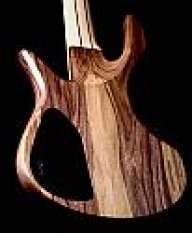
...of course. They don't have to come pre-set to my liking.
But once I get one that melts into my hands (whether it did out of the box or got tweaked into that state, it doesn't matter)... everything else in the signal chain becomes a little more expendable to me.

A lot of playability issues are easily remedied with setups.

Another reason why knowing how to and willing to EQ is so important is because for a lot of us, the sound we're looking for changes over time and that can mean thousands and thousands of dollars spent on basses and mods, only to realize that you should have stuck with a bass you had a long time ago.
Any SX can be set up to play like or better than a Fedora!

Buying a new bass 'cause you don't like the sound of your existing bass is prolly The Best reason for buying a new bass!

EQ is but a band-aid. It all starts with the instrument and your technique. If the foundation is not right the rest of the structure will suffer no matter how excellent the materials and workmanship may be...
EQ is to compensate for varying acoustic environmental factors.

I really think what Fuzzbass said about technique is right spot-on. How the bass interfaces with my hands (the feel) is the dominant factor as to whether I'll keep a bass around or not. Playing uncomfortably is a losing proposition.
Better EQ vs, different bass?
I'd change everything else in the BUILDING to accomodate a super-comfy bass... strings, pickups, pots, preamps, effects, amp, speakers.... until I was just 100% sure it was not going to deliver sonically.
But only in the same way you can make a Jazz mimic a P by favoring (or soloing) the neck pickup...No really P...
Indeed. I have a distortion pedal, but I don't use it for the regular sound I have about 90% of the time.That might only be true for heavy fuzz or a synth pedal, either of which can, at the extreme end, disguise tone and squash dynamics. Few bassists go that far.
Certainly. My amp is set nowhere near flat. It sounds all right set flat, but it works great driven and with the mids cranked up.That's wise enough. Everything between your brain and the sound waves you generate is part of your instrument. The differences in opinion are in how we use each component to get the sound waves we desire. "Flat" is fine, coloration is fine.