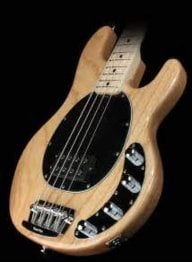
Here's one at Pops Music in Jackson TN. Looks like a bolt on to me. I figured this is why they're under $500.No, that would be incorrect. The Epiphone Vintage Pro ( or '60s Thunderbird) is multi laminated neck through.

TalkBass has been independent since 1998. Add your voice.
Create a free account to reply to discussions, view embedded media, and browse with fewer display ads.
Join free Log in
Want zero display ads or expanded classifieds tools? Compare plans.
Here's one at Pops Music in Jackson TN. Looks like a bolt on to me. I figured this is why they're under $500.No, that would be incorrect. The Epiphone Vintage Pro ( or '60s Thunderbird) is multi laminated neck through.




That's the Epiphone Thunderbird E1 and is bolt-on. The Epiphone 60's Tbird is neck through.Here's one at Pops Music in Jackson TN. Looks like a bolt on to me. I figured this is why they're under $500.View attachment 4968745


I've owned 13 basses in my lifetime - 3 of which were neck through and to be honest I can't tell the difference.

And it’s very common for old uprights to have multiple repairs that are much more complicated than fixing a Gibson headstock break.Upright basses have attached necks and have done well for centuries. One could say it comes down to the quality of the joinery. All my bolt ons play just fine. My Ric 4001 and neck through "Tune" 5 have no advantage that I can detect.

Beat me to it!
Somewhat anecdotal but I have a '64 Thunderbird (neck through) and '64 Embassy Deluxe (same pickups, scale, mahogany, etc but set neck) and while they sound related, they do sound different. As with so many things what's 'better' is subjective and, as with a lot of pickups, preamps, hi-mass vs bent plate bridges, et al, it's more lateral changes/choices than "upgrades". I really notice on the t-bird that the upper register has a stronger character - really, the notes above the 12th fret carry the same sort of weight as those at the bottom register. The best sounding upper register of any bass I have (of course, the access is limited by it being a t-bird but that's another subject...)


I have a '64 Thunderbird II as well, it is a glorious bass - even with a repaired headstock it plays and sounds like no other.

That would be the reason for me to opt for neck-through-body design; ergonomics.

Maybe to some it doesn't matter much. It's easier to reach the higher frets with a ntb guitar, compared a more "conventional" model with a bolt on neck and a heel like a brick.Do you mean aesthetics? Because there's no significant ergonomic difference between bolt-on and neck-through.
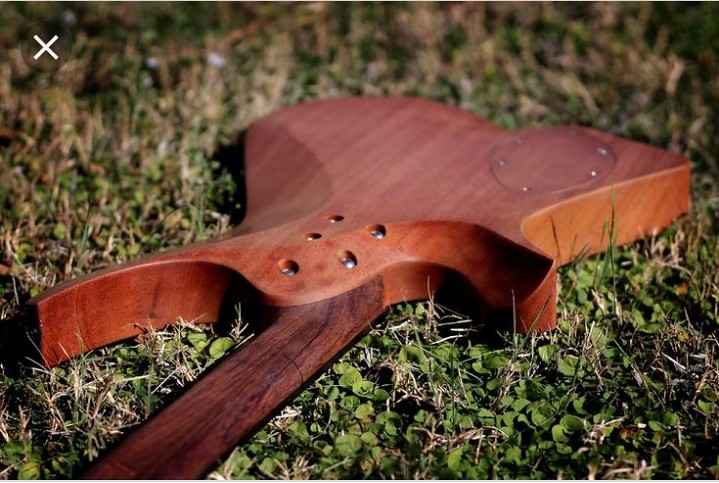
Do you mean aesthetics? Because there's no significant ergonomic difference between bolt-on and neck-through.

Incredible! When I was in the Air Force,, I had a RIC...when I got out, Alum-necked Kamer! Those are heavy in every sense of the word! Everything you said is true!My first bass was neck through - a 4001 Rick. My second bass was bolt on - an 80's aluminum necked Kramer. While it would seem that an interface like you have on a bolt on is an "opportunity" to lose energy (and therefore sustain), the Kramer had much longer sustain. This was not a subtle thing - I had to learn how to manage that ridiculous amount of sustain in certain places in certain songs - at the end of a song, if we let it ring out, the difference was obvious to everyone in the band. Yes, there was a huge variable there (aluminum vs wood neck), but that example shows that there are other factors that can influence sustain besides the neck joint architecture.
With a well made wood necked bass, it shouldn't matter all that much if it's bolt on or neck through. A bolt on gives you an out if the neck goes South at some point, but if the builder has properly aged that wood and knows how to make a good neck, that shouldn't be an issue with either route.
If the neck has a tilt back headstock, I'd make sure the builder knows how to make a good scarf joint, especially if you're gonna go neck through - that definitely lessens the chances you'll be fixing a broken headstock down the road.
Incredible! When I was in the Air Force,, I had a RIC...when I got out, Alum-necked Kamer! Those are heavy in every sense of the word! Everything you said is true!