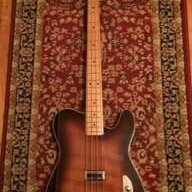
Thanks in advance for your time,
Mike

TalkBass has been independent since 1998. Add your voice.
Create a free account to reply to discussions, view embedded media, and browse with fewer display ads.
Join free Log in
Want zero display ads or expanded classifieds tools? Compare plans.

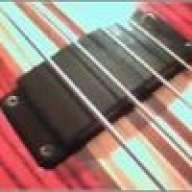
Drill buffer will work fast. Might be overkill but won't hurt to try. When you think about it, toothpaste is also literally a polishing compound, it just tastes betterWith a drill buffer? Or by hand? THANKS for the insight.
 a commercial plastic polish will give you the same result with a little less effort. Daub a little bit (of toothpaste or whatever) on a corner of a microfiber cloth or even just damp paper towel and then go to town.
With a drill buffer? Or by hand? THANKS for the insight.


I will tackle it this weekend.I am intrigued! Can you share your results when you are done?





Simichrome. It's a brand name. What I usually use for polishing small plastic things.Semi-chrome polish also works.
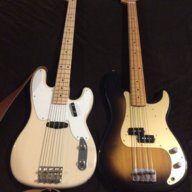
I would agree, Novus is what I use on vintage bakeliteNovus plastic polish should do the trick. So should maguier’s magic compound.