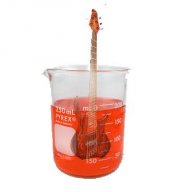
Maybe a hair over the top????
A little harder to get past the wife... “but it matched!”

TalkBass has been independent since 1998. Add your voice.
Create a free account to reply to discussions, view embedded media, and browse with fewer display ads.
Join free Log in
Want zero display ads or expanded classifieds tools? Compare plans.
Maybe a hair over the top????

I thought about this one. A little more practical, but I still think she would notice....A little harder to get past the wife... “but it matched!”

I thought about this one. A little more practical, but I still think she would notice....
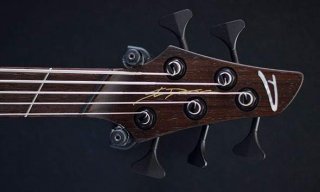
How old is the bass?Question : is there a way to tell if my AB1 has FDVs or FDNs without removing them ?
They switched from from FD3 to FDV for the default pups around December 2017 I believe. Email [email protected] with the serial number and they could tell you what the bass was originally built with.How old is the bass?
for the most part FDVs are labeled but I believe there was an earlier period before they added the engraved designation on the cover.
That said, depending on its age, it could predate the FDVs as they are a pretty young addition to the Dingwall options list.
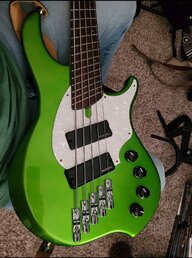
That or honestly, if you have the Allen key it’s really easy to pop one out.2017. I will email them
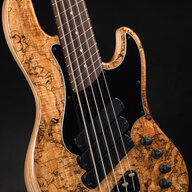
All said and done about 20 min of your time and it will say on the backside of the pick up. You really only need to pop one out to know.

Is this the new fretless?Has anyone found that brand new instruments need more neck adjustment initially? My ABII has needed adjustment every week or so to stop buzzing, but I rarely need to adjust any others.
If there is a big difference between the humidity in the builder's shop vs. the humidity at your place, this behavior is expected. You should notice the adjustments will gradually become smaller and smaller, reaching zero after it stabilizes.Has anyone found that brand new instruments need more neck adjustment initially? My ABII has needed adjustment every week or so to stop buzzing, but I rarely need to adjust any others.
If there is a big difference between the humidity in the builder's shop vs. the humidity at your place, this behavior is expected. You should notice the adjustments will gradually become smaller and smaller, reaching zero after it stabilizes.
Do you have a humidity gauge? (And if not, you should!)
View attachment 3777482
My guess is that it's dry in SK right now, and not as dry where you are, so the fretboard is absorbing moisture, thereby flattening out the neck, and you are needing to loosen the truss rod - is that what's happening?That’s what I was wondering; although I’ve had basses from overseas before and not had the issue.
Cheers!
My guess is that it's dry in SK right now, and not as dry where you are, so the fretboard is absorbing moisture, thereby flattening out the neck, and you are needing to loosen the truss rod - is that what's happening?
Duh - I just re-read your post, and that's exactly what you said was happening. So yes, totally expected, I would think. I've had the same thing happen with several new basses that arrived here as I brought them up to 49% - 50% humidity from something that was clearly much lower than that.