I have been a pro bass player for half my life. This includes touring and studio work. How I got there I believe is from hard work and the desire to maximize the most out of what I had at the time. For the up and coming guys who would like to pursue this path, I offer my suggestions, which should save you a lot of money and make you a better player.
The rules are simple. I will present you 3 styles of bass guitars you can buy that will service you for your whole playing life. Trust me when I say that you can play about any gig possible with just even 1 of these basses. Each one you add is for a specific reason and over the course of an evolving career path.
When I was a kid, I had Bass Player Magazine for my GAS inducing articles. I also had no real money, so I just read and fantasized about these mythical boutique basses that all my favorite players were using. At the end of the day I still walked home to my PBass copy because that is what I had.
Disclaimer - This guide is based on my experience only, and is not the only way to go. In my experience, it is the best way to go as a career minded player who need to maximize cash flow and practice time. If you are more of a hobbyist or someone with plenty of coin who just enjoys buying really nice basses, please continue on, and enjoy those instruments. This is more focused to the younger player who wants to make this a career and needs a buying guide.
Which leads me to -
Stage 1 - Commitment to becoming a Pro player (hired gun/touring artist/studio player).
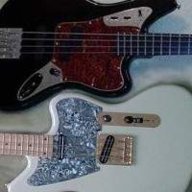
If you have made this commitment to yourself, the good news is you can now eliminate all GAS right off the bat. The first bass you will want to purchase is a Fender P Bass. If you are a kid with no money, but you know in your heart this is your passion, get a Pbass copy. A Squier is more than fine. Learn this bass, master this bass, make it your girlfriend. Know every note on every fret, how to adjust the tone knob for different situations, and how to use a pick, your fingers and your thumb on it to make it do every style of music you would ever want to do. Try it with Flats, Wounds, Neon Strings..whatever you want. This bass will sound good on everything. The next step is simple, once you are ready to perform, do open mics and start auditioning for PAID gigs as soon as possible. Even if you are rather inexperienced, do open mics until someone approaches you for your services and then give them an hourly rate. Even if it is low ($20 an hour) , start getting in the habit of making money for your skills. Take this money, save it up, and buy an American PBass of your choice. Stay passive. By this point you will know if you prefer maple fretboards or rosewood and probably have a good idea of what P you want once you have it in your hands. Enjoy the process, take your time and buy the Pbass that you fall in love with. If that means it is a more expensive model, use the money you have to put it on layaway and keep saving until you get what you want.
The theme here is continuity. You have probably been playing at least 3-5 years now and are incredibly comfortable with the neck, the tone, everything. You can play this bass in your sleep because you have logged the hours it takes to really unlock an instruments potential. This is very important and why you will have a leg up on other players. While other players are GASing for some new bass and buying and selling, you have an established tone and are practicing. This experience is far more valuable than anything else. You will win gigs due to your skills and tone, and your stage presence will be excellent due to your inherent comfort with your instrument due to the hours logged on it.
Stage 2 - Studio Player/Veteran Touring artist
At stage 2, you have already been doing studio sessions and are looking to increase your business. You are a known bass player who gets referrals from managers and producers for auditions and studio gigs. You have built a rolodex of contacts. You have artist discounts and may have been given a few basses, amps and pedals. The basses you will use now and then as backups to your go to bass - the Fender P.
At this point, you are looking to expand your tonal palette to get more studio work. You can now purchase a 5 string Jazz bass. A top option here would be a Sadowsky Jazz. Spare no expense in this search. I personally went with a Lakland and stayed passive. I use the Sadowksy outboard pre. This the most flexible of all solutions, but the goal was always quite simple for me - have a 4 string and a 5 string. 1 P, 1 J.
You are now completely set for almost any possible gig you could have offered. You could use these 2 models the rest of your life if you wanted and be all set.
Stage 3 - Solo act/Bandleader/Producer
In Stage 3, which is where I find myself, you have the financial independence to make music that is off the beaten path or more in line with what you have always wanted to do as an artist. Since the road you have traveled has been focused on supporting other artists, you will find that this can be a much needed way to refresh your passion for music, even if it is just a side project.
For this side project, buy something different. I personally am shopping for a 6 string bass with dual soap bars. The point here is that you have no rules and have the freedom to get whatever you want. Always wanted a boutique fretless for a progressive rock project you have been talking about starting? Buy it and go for it. Enjoy it. The freedom of doing whatever you want after years of being a team player and supporting others will be incredibly exhilarating. Add the fact that you have established income and the project is pressure free - and you are in a very good place musically.
I hope this helps some folks here. It very well may only apply to a small minority of players, but if it helps anybody who is overwhelmed by gear options I have done what I sought out to do.
The rules are simple. I will present you 3 styles of bass guitars you can buy that will service you for your whole playing life. Trust me when I say that you can play about any gig possible with just even 1 of these basses. Each one you add is for a specific reason and over the course of an evolving career path.
When I was a kid, I had Bass Player Magazine for my GAS inducing articles. I also had no real money, so I just read and fantasized about these mythical boutique basses that all my favorite players were using. At the end of the day I still walked home to my PBass copy because that is what I had.
Disclaimer - This guide is based on my experience only, and is not the only way to go. In my experience, it is the best way to go as a career minded player who need to maximize cash flow and practice time. If you are more of a hobbyist or someone with plenty of coin who just enjoys buying really nice basses, please continue on, and enjoy those instruments. This is more focused to the younger player who wants to make this a career and needs a buying guide.
Which leads me to -
Stage 1 - Commitment to becoming a Pro player (hired gun/touring artist/studio player).
If you have made this commitment to yourself, the good news is you can now eliminate all GAS right off the bat. The first bass you will want to purchase is a Fender P Bass. If you are a kid with no money, but you know in your heart this is your passion, get a Pbass copy. A Squier is more than fine. Learn this bass, master this bass, make it your girlfriend. Know every note on every fret, how to adjust the tone knob for different situations, and how to use a pick, your fingers and your thumb on it to make it do every style of music you would ever want to do. Try it with Flats, Wounds, Neon Strings..whatever you want. This bass will sound good on everything. The next step is simple, once you are ready to perform, do open mics and start auditioning for PAID gigs as soon as possible. Even if you are rather inexperienced, do open mics until someone approaches you for your services and then give them an hourly rate. Even if it is low ($20 an hour) , start getting in the habit of making money for your skills. Take this money, save it up, and buy an American PBass of your choice. Stay passive. By this point you will know if you prefer maple fretboards or rosewood and probably have a good idea of what P you want once you have it in your hands. Enjoy the process, take your time and buy the Pbass that you fall in love with. If that means it is a more expensive model, use the money you have to put it on layaway and keep saving until you get what you want.
The theme here is continuity. You have probably been playing at least 3-5 years now and are incredibly comfortable with the neck, the tone, everything. You can play this bass in your sleep because you have logged the hours it takes to really unlock an instruments potential. This is very important and why you will have a leg up on other players. While other players are GASing for some new bass and buying and selling, you have an established tone and are practicing. This experience is far more valuable than anything else. You will win gigs due to your skills and tone, and your stage presence will be excellent due to your inherent comfort with your instrument due to the hours logged on it.
Stage 2 - Studio Player/Veteran Touring artist
At stage 2, you have already been doing studio sessions and are looking to increase your business. You are a known bass player who gets referrals from managers and producers for auditions and studio gigs. You have built a rolodex of contacts. You have artist discounts and may have been given a few basses, amps and pedals. The basses you will use now and then as backups to your go to bass - the Fender P.
At this point, you are looking to expand your tonal palette to get more studio work. You can now purchase a 5 string Jazz bass. A top option here would be a Sadowsky Jazz. Spare no expense in this search. I personally went with a Lakland and stayed passive. I use the Sadowksy outboard pre. This the most flexible of all solutions, but the goal was always quite simple for me - have a 4 string and a 5 string. 1 P, 1 J.
You are now completely set for almost any possible gig you could have offered. You could use these 2 models the rest of your life if you wanted and be all set.
Stage 3 - Solo act/Bandleader/Producer
In Stage 3, which is where I find myself, you have the financial independence to make music that is off the beaten path or more in line with what you have always wanted to do as an artist. Since the road you have traveled has been focused on supporting other artists, you will find that this can be a much needed way to refresh your passion for music, even if it is just a side project.
For this side project, buy something different. I personally am shopping for a 6 string bass with dual soap bars. The point here is that you have no rules and have the freedom to get whatever you want. Always wanted a boutique fretless for a progressive rock project you have been talking about starting? Buy it and go for it. Enjoy it. The freedom of doing whatever you want after years of being a team player and supporting others will be incredibly exhilarating. Add the fact that you have established income and the project is pressure free - and you are in a very good place musically.
I hope this helps some folks here. It very well may only apply to a small minority of players, but if it helps anybody who is overwhelmed by gear options I have done what I sought out to do.