I have serious GAS for the 50's for sure...I'm looking at the new Sire D5 coming next month I hope
looks like only $70 more
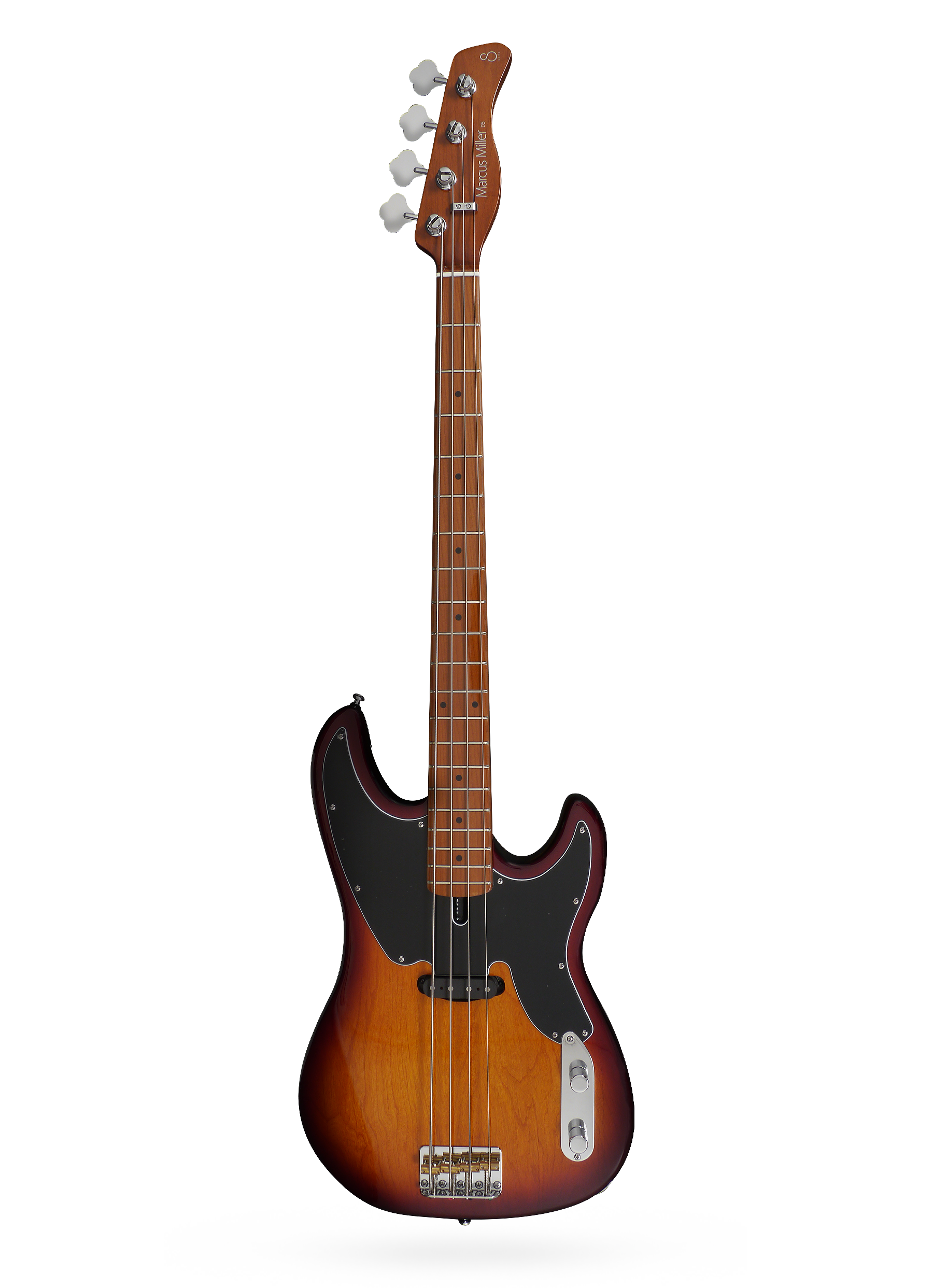
looks like only $70 more

TalkBass has been independent since 1998. Add your voice.
Create a free account to reply to discussions, view embedded media, and browse with fewer display ads.
Join free Log in
Want zero display ads or expanded classifieds tools? Compare plans.
I have serious GAS for the 50's for sure...I'm looking at the new Sire D5 coming next month I hope
View attachment 4387618
Neither! If you're getting a Fender Precision, you want the most freak-nastiest gnarlyest snarlingest-azz P bass ever made which is this one:A little background, the wife is allowing another bass purchase and the budget is limited. I've got it down to two Squire choices. One is a standard P bass with split coils and the other is a 50's p single coil.
If you could have only one, which one and why?
Squier Classic Vibe '60s Precision Bass - 3-Tone Sunburst
or
Squier Classic Vibe '50s Precision Bass - 2-Color Sunburst

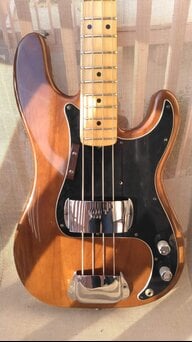
Neither! If you're getting a Fender Precision, you want the most freak-nastiest gnarlyest snarling-azz P bass ever made which is this one:
Fender Tony Franklin Fretless Precision Bass - 3-Color Sunburst
But seriously, I'd go for your first option.
L
September-early October in Europe, where they will be widely availableIt also comes in white blond. Are you in a hurry however? CME is taking pre-orders on these. Who knows when they’ll actually arrive.
Squier Classic Vibe Late '50s Precision Bass White Blonde w/Gold Anodized Pickguard
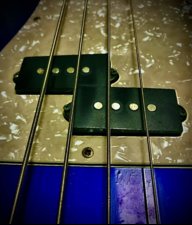
The single coil pickup has one polepiece per string, directly under the strings, as opposed to the two-polepiece per string design of the split coil pickup. The 50s has a punchier attack, the split coil is beefier. In practice the difference is minimal, especially with flats, and amp/pedal EQ can do a lot.ahh, did not know that. I hate unnecessary hum.
Thanks!
I wish I could record it, but I don't have any equipment for that anymore. Spent all my money on the bassI bet that thing has awesome mwah!
. But in fingerstyle funk in, like, C major, or G or F, on the split P soloed, that string slap against the board is like nothing I've ever heard before.... It is freak, deak, snarly nasty.....


60s. Put an spb-1 in it.A little background, the wife is allowing another bass purchase and the budget is limited. I've got it down to two Squire choices. One is a standard P bass with split coils and the other is a 50's p single coil.
If you could have only one, which one and why?
Squier Classic Vibe '60s Precision Bass - 3-Tone Sunburst
or
Squier Classic Vibe '50s Precision Bass - 2-Color Sunburst

Honestly, contrary to what some responses have indicated, I find the tone of single coil Ps to be very different from the split coil. I even have a Sting Precision MIJ with a stacked Fralin split coil, and that’s very different from a standard split coil. Without getting into trying to describe those differences, I would suggest the somewhat impracticable option of trying to A/B them side by side, if you can make that happen. Maybe find someone (like me) who is in your area and who has both and who would let you compare them. After playing post ‘57 split coil Ps with flats for years, my current P sound is the Sting bass with the Fralin pup and rounds.A little background, the wife is allowing another bass purchase and the budget is limited. I've got it down to two Squire choices. One is a standard P bass with split coils and the other is a 50's p single coil.
If you could have only one, which one and why?
Squier Classic Vibe '60s Precision Bass - 3-Tone Sunburst
or
Squier Classic Vibe '50s Precision Bass - 2-Color Sunburst