- Jun 30, 2010
- 49,611
- 222,118
- Disclosures
- musician/artist/owner - Gildaxe
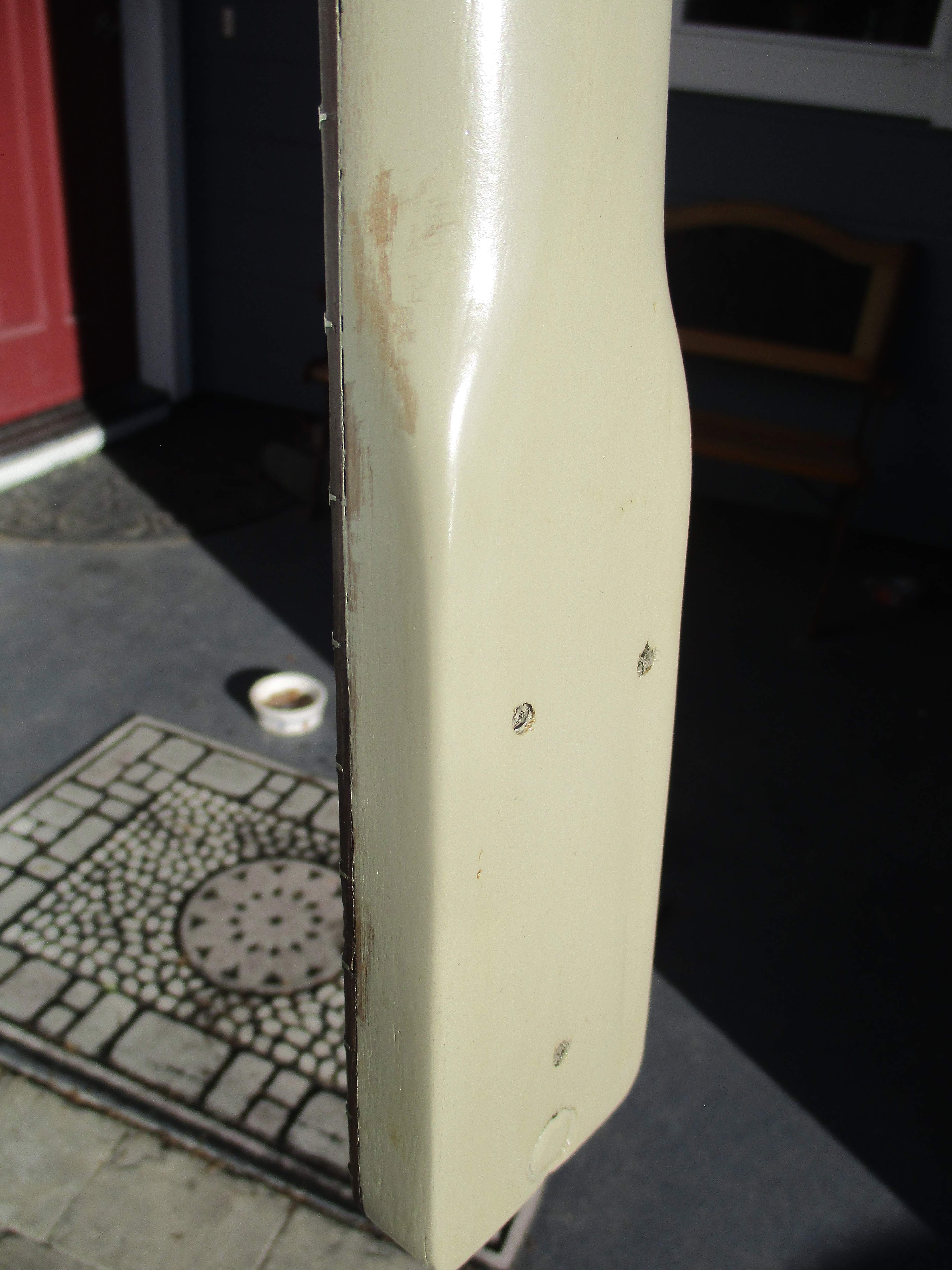
Dah---dah-dun-done! Love lacquer - it's so easy to use. Two full coats on body & neck and now curing in the sun. Two weeks is usually the full curing time, but I never wait that long. I may start the assembly later in the week. The coats I applied were very thin - for me it's a securing coat that locks-in the paint and exposed wood, so there's no need for a thick coating. And bonus over years is it will age/amber naturally. Here's some pics of the neck - very minimal relic'ing.
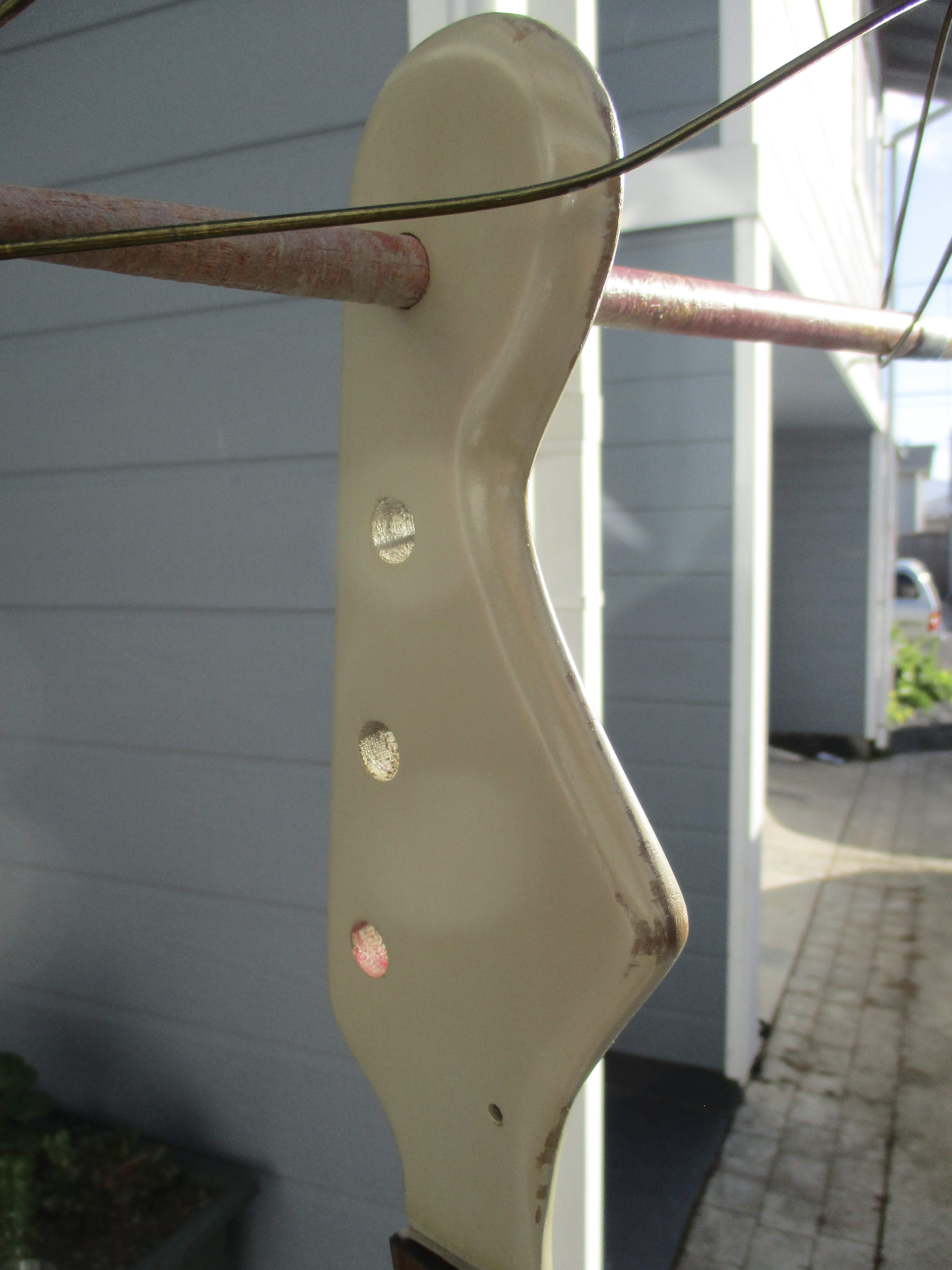
The broken holes are to allow for the tabs on the back of the tuner-plates so they rest flat installed. Not very pretty, but unseen once they are installed.
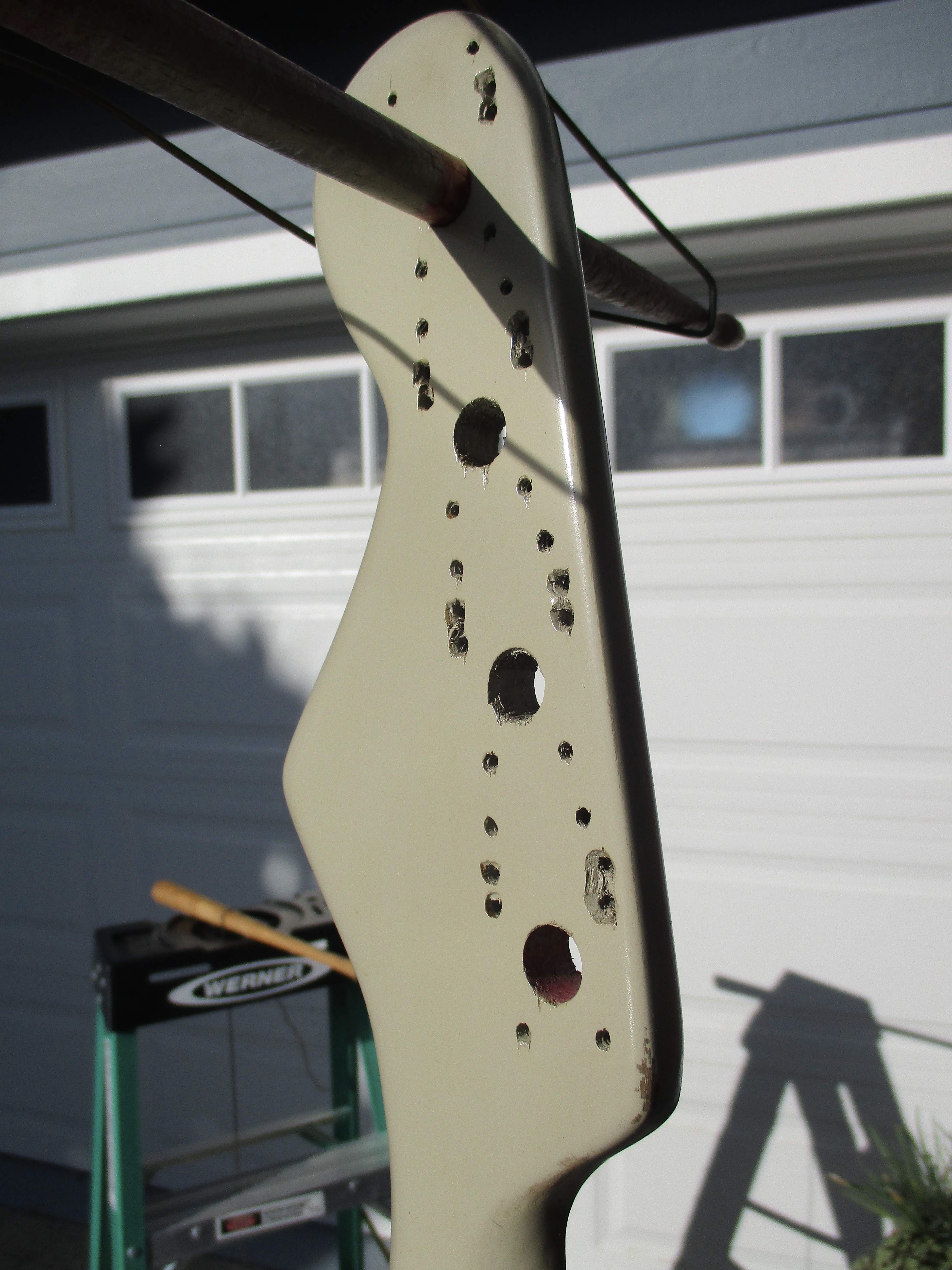
You can see a hint of the amber-glaze in this shot. Just enough to be there.
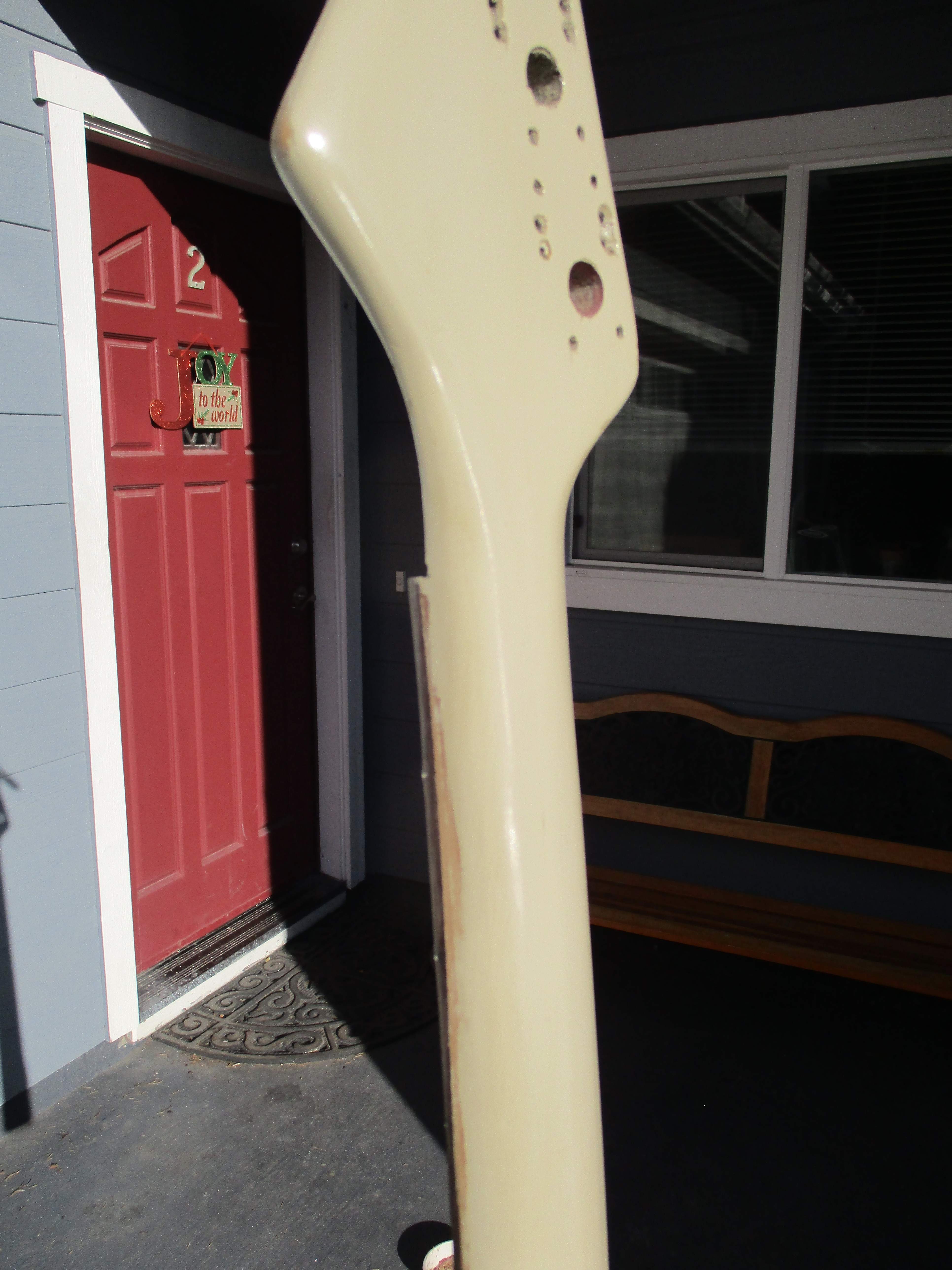
Underside of neck at the pocket - where player interface happens.
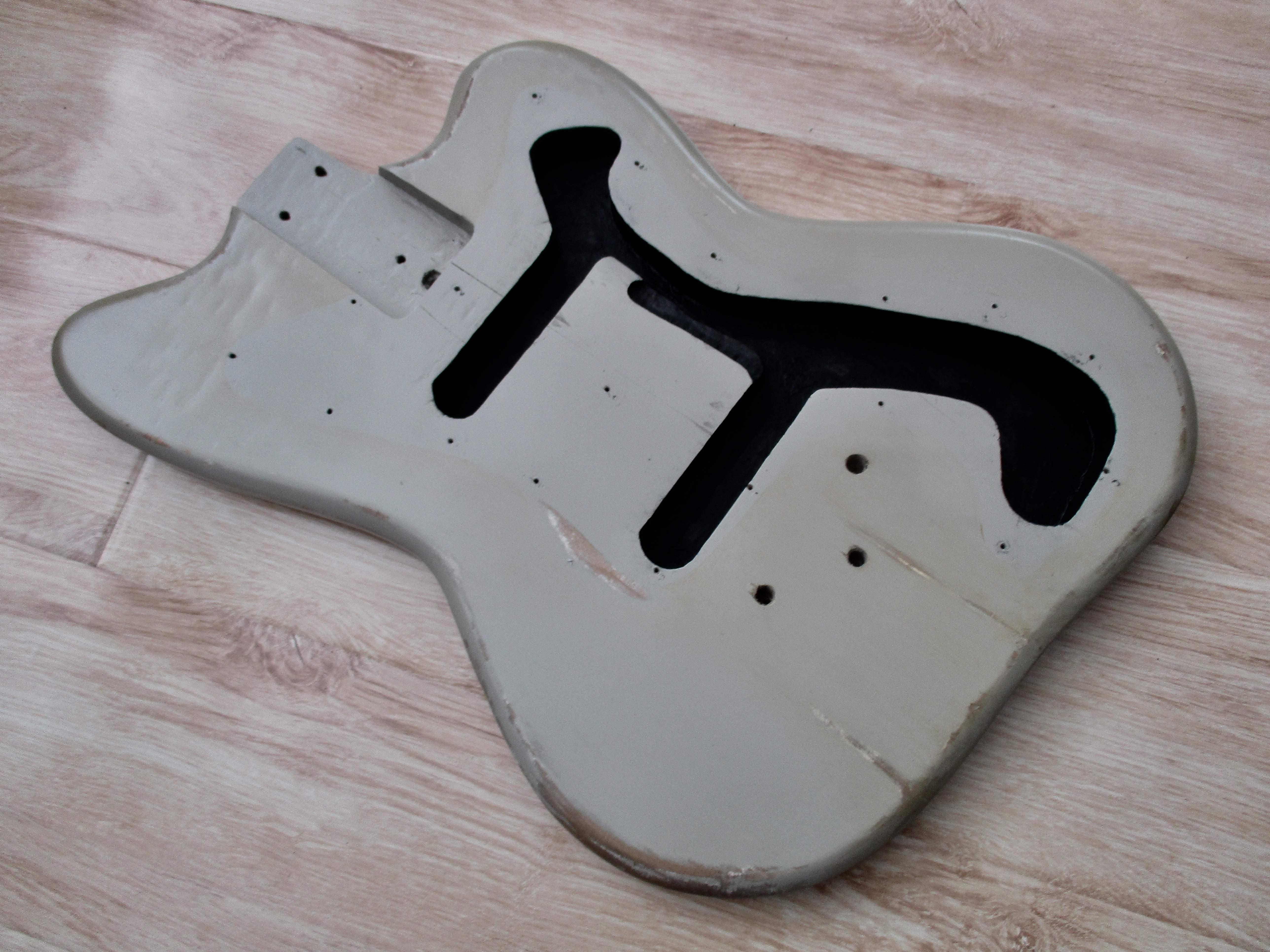
And while I have the sun, I applied carbon shielding paint in the cavity. This pic shows some wavy (gouged) wood at the upper horn - not so apparent once the bass is assembled and with all the added 'wear' - it just sorta fits in, but not perfect by a long-shot. Gives it character though... You can also see the difference in how the colour looks in direct sunlight and indoor filtered sunlight.
The broken holes are to allow for the tabs on the back of the tuner-plates so they rest flat installed. Not very pretty, but unseen once they are installed.
You can see a hint of the amber-glaze in this shot. Just enough to be there.
Underside of neck at the pocket - where player interface happens.
And while I have the sun, I applied carbon shielding paint in the cavity. This pic shows some wavy (gouged) wood at the upper horn - not so apparent once the bass is assembled and with all the added 'wear' - it just sorta fits in, but not perfect by a long-shot. Gives it character though... You can also see the difference in how the colour looks in direct sunlight and indoor filtered sunlight.

 (is this some sort of toy bass?)
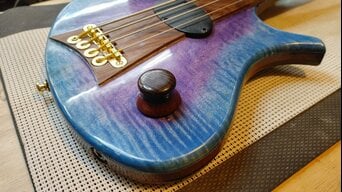


 A little insight here - Jon is testing the waters producing vintage-spec lipstick pu surrounds. There's a lot of players using these pu's in their builds or like me have a vintage Dano with missing surrounds. Look anywhere on the net and you can find lipstick pu's for sale all day long made by various companies. Lipstick pu surrounds? Ahh, no - nowhere to be found. Only ones available are for Tele-style guitars - not a simple ring like these. In fact, he is prototyping two styles; this "band" style and another that is like on the Coral basses which are a rounded-cornered rectangle. (you can see these in my pic showing my Coral with the Silvertone) The ones pictured are 'in the mail' and once here I'll post pics. Thanks Jon!
 And I really lucked out with that specific tort, I've seen many examples on these basses which vary greatly and this one is really very classic vintage Fender-esque tort. It really comes alive in bright sunlight! I've been enjoying playing it while I'm doing the tweaks necessary to bring it in line. Like my Coral it has a bold authority tonally that puts it in its own category. It's character is the result of a lot of things; the lipstick singles and the spacing of their positions, the solid neck, the resonant poplar wood it's made of, the simple bridge and the V/T/V/T control over blending. Otherwise it's similar enough to most any J-style bass. I now have a few late '60s non-Fender/Gibson basses which all needed some work but have all returned the favor delivering as really great basses. They are considered second-tier by comparison (vintage collectable monetary worth mostly) but in my book are every bit as valuable and special as any Fender/Gibson of the same period - I have a '64 T-bird and a '66 P so I know of what I speak.