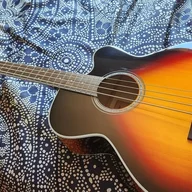
Just play the bass/guitar.I have an acoustic and a 3/4 upright. And lot of acoustic guitars.

TalkBass has been independent since 1998. Add your voice.
Create a free account to reply to discussions, view embedded media, and browse with fewer display ads.
Join free Log in
Want zero display ads or expanded classifieds tools? Compare plans.
Just play the bass/guitar.I have an acoustic and a 3/4 upright. And lot of acoustic guitars.

Which strings? Did you tune above standard?I've broken two bass strings... Wait three. Once when I just got my first bass trying to tune it up. The next one was a friend's bass with ancient strings at a practice space, and the last one at a show.
I couldn't tell you what precipitated them or any signs for how to predict them, but they always had old (at least a year old) strings on.
Couldn't tell you any of the strings - this was over a decade ago in each case.Which strings? Did you tune above standard?

Whoa, one of those could kill ya!I've broken two bass strings... Wait three. Once when I just got my first bass trying to tune it up. The next one was a friend's bass with ancient strings at a practice space, and the last one at a show.
I couldn't tell you what precipitated them or any signs for how to predict them, but they always had old (at least a year old) strings on.
Edit: I also have a hard attack. I've gotten a lot better about it but I'm the definition of "all enthusiasm no talent"
How far did you go?Couldn't tell you any of the strings - this was over a decade ago in each case.
The first time was probably tuned above standard, the other two were half step down.
More importantly, WHAT are they giving away? I like free stuff.How do they give away?
I guess it would have been better said as, I pick really hard.Whoa, one of those could kill ya!
Also: I presume the OP is just stringing us along.

Far enough to break the string.How far past standard?
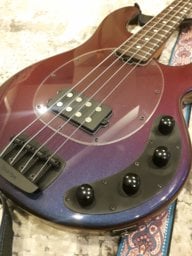
Is there a way to know when a string is about to snap or do strings break unpredictably?
If you want to worry about strings breaking (you really seem to want to do this), you picked the wrong instrument. On a violin, strings break much more often, and depending on where they break, they can give you a good snap in the face. I sometimes wonder why violin players don't wear protective eyewear. Maybe you could take over worrying about that for me.