
I've got basses with 30, 32, 34, and 35 inch scale lengths. I find them interchangeable as far as comfort is concerned. I'll +1 with @ak56 that the string spacing, neck radius and profile, and overall balance have far more to do with an individual's playing comfort than scale length does.

Enjoy the benefits of a premium membership!
Upgrade Account
-
TalkBass has been independent since 1998. Add your voice.
Create a free account to reply to discussions, view embedded media, and browse with fewer display ads.
Join free Log in
Want zero display ads or expanded classifieds tools? Compare plans.
You are using an out of date browser. It may not display this or other websites correctly.
You should upgrade or use an alternative browser.
You should upgrade or use an alternative browser.
How should I know if I should only use short scale basses?
- Thread starter TheIndieKid
- Start date
More options
Who Replied?

Hello there,
I own a Fender FSR Reissue Mustang Bass. I absolutely the comfortable feel in my hands, and I'm looking to get rid of my Thunderbird bass, which I find unwieldy and uncomfortable. However, I'm looking at Lightwave VL Sabre bass in the future, which is full scale. I have quite weird proportions, so I feel comfortable with a short scale. However, I don't have much experience with basses in general, and I have quite weird proportions (long arms, short body, etc), so I was wondering whether it's good to stick with short scales, or is it okay to have a mix, with it possibly being that the long scales may be uncomfy?
You like your shortscale.
You do not like your longscale.
So stick with shorties.
I am like you. I can play longscales no problem. I started on a longscale. All my basses now are shorties and I'm never buying another long.
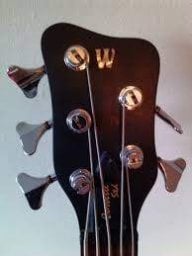
You gotta do you... only you can tell what is comfortable enough to invest money and time into. Certainly the width, thickness, and shape of any guitar neck (bass or otherwise) has an affect on how it feels to play. If you can, go to a large music store and try a bunch of different style basses (fenders, ibanez, Yamaha, long, medium, short scales etc) if not make sure you have a solid return option from the place you buy one. Everybody likes something different.
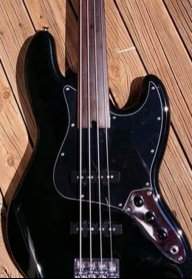
I felt much more comfortable with short scale when I started. In hindsight it was mainly to do with familiarity.
When I was looking to upgrade to a better bass I mentioned to a friend how there were very few options for good quality short scales without spending big $$$$$.
Now, this girl is one of the best bass players I know and she told me to hold my hand out and put hers against mine. Her fingers barely reach the knuckle of my fingers. She basically said, if I can play full scale so can you. Haven't looked back since. Now when I play my short scale basses they feel.....well..... short.
When I was looking to upgrade to a better bass I mentioned to a friend how there were very few options for good quality short scales without spending big $$$$$.
Now, this girl is one of the best bass players I know and she told me to hold my hand out and put hers against mine. Her fingers barely reach the knuckle of my fingers. She basically said, if I can play full scale so can you. Haven't looked back since. Now when I play my short scale basses they feel.....well..... short.

Short scale basses can be quite awesome. Play what you like and don't worry what anyone else thinks. Unless of course it's a gig you really want and they don't like your short scale bass
First off, the Thunderbird feels awkward because Thunderbirds ARE awkward! I loved the sound, found one for a great price, but thank God I tried it on with a strap before I bought it. Yuk!
Like others have said, try different basses to see what you may or may not like, but I'll go even farther. My first bass was an Ibanez SR500- light, thin neck, etc. but I soon decided I had to have a P bass. When I got it I hated it! It was heavy, the neck was too wide, the strings too far apart, etc. (I have short fingers). Anyway, as time went on, I liked the sound enough to keep picking it up, and it was what I played at church- but I would learn the songs on the SR because I thought it was easier.
Somehow, over time the P bass got to be the easier one to play, and I played the SR less and less to the point where I sold it. For what it's worth, my current main player is a Stingray 5HH (even farther away from the Ibanez), so the moral of the story is that sometimes it pays to give a bass a chance! I definitely wouldn't limit myself to short scale based on the Thunderbird.
Like others have said, try different basses to see what you may or may not like, but I'll go even farther. My first bass was an Ibanez SR500- light, thin neck, etc. but I soon decided I had to have a P bass. When I got it I hated it! It was heavy, the neck was too wide, the strings too far apart, etc. (I have short fingers). Anyway, as time went on, I liked the sound enough to keep picking it up, and it was what I played at church- but I would learn the songs on the SR because I thought it was easier.
Somehow, over time the P bass got to be the easier one to play, and I played the SR less and less to the point where I sold it. For what it's worth, my current main player is a Stingray 5HH (even farther away from the Ibanez), so the moral of the story is that sometimes it pays to give a bass a chance! I definitely wouldn't limit myself to short scale based on the Thunderbird.

So there's quite a mixed crowd here. Again, I really appreciate the time and effort put in to giving advice. It really helps. If I were to go with a short, I'd probably buy a Hofner, but, if I was gonna go long scale, it would be a fretless Lightwave Saber VL. The only thing that is a factor of uncertainty is the body shape on the Saber. If anyone has one, what does it feel like?
To put things into context, this is me fretting my biggest stretch (which is very slightly uncomfortable) on a Mustang Bass. Excuse the crutches in the background I've just had an operation haha.
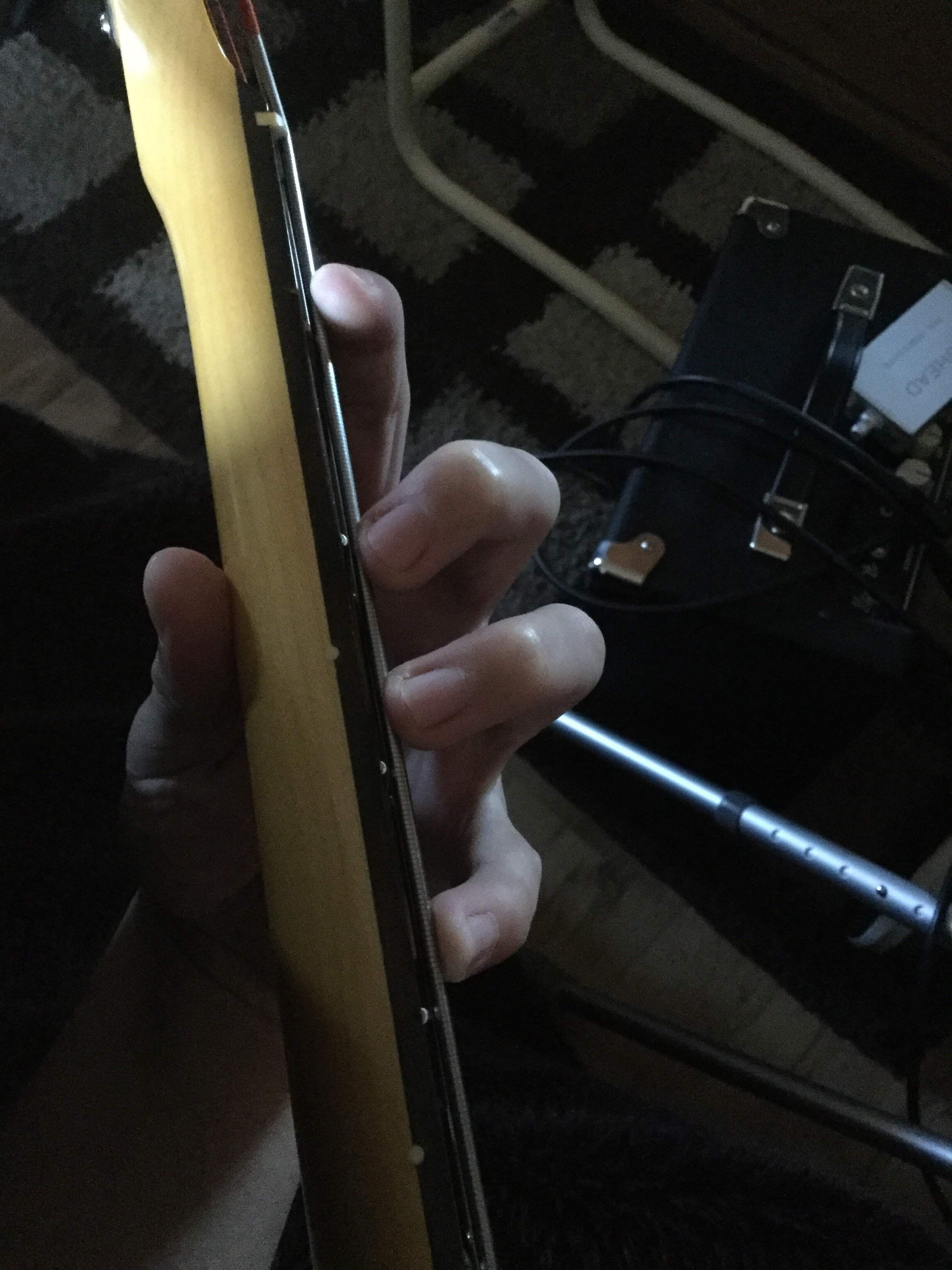
I've just had an operation haha.

Find a Kubicki X-Factor. 32" scale, but incredible tone.
One of the best recording basses ever. Then when somebody says "Why do you play that weird shorter scale bass?" You can say "Have you not HEARD this thing?"
One of the best recording basses ever. Then when somebody says "Why do you play that weird shorter scale bass?" You can say "Have you not HEARD this thing?"
To put things into context, this is me fretting my biggest stretch (which is very slightly uncomfortable) on a Mustang Bass. Excuse the crutches in the background
That's not a problem. If i'm going from 1st to 4th fret i'm moving my hand anyway..... and i've got a big reach.
Sounds like you are convincing yourself that shorty's are for you and there's nothing wrong with that. If you feel better you'll play better so stick with shortys. If you like the higher string tension or sound (not really that much difference) of a full scale it won't take long to get used to it and play it just as well as with your shorty.
I mean if I'm convincing myself, surely that's bad as I'm limiting my choice. Maybe it's because my tutor said I should try playing 1 finger per fret on a short scale to make use of the ergonomics available.That's not a problem. If i'm going from 1st to 4th fret i'm moving my hand anyway..... and i've got a big reach.
Sounds like you are convincing yourself that shorty's are for you and there's nothing wrong with that. If you feel better you'll play better so stick with shortys. If you like the higher string tension or sound (not really that much difference) of a full scale it won't take long to get used to it and play it just as well as with your shorty.
Even with my largish hand span I don't play 1 finger per fret. I'll play....
1st finger - one fret
2nd finger - next fret
Ring finger and pinky acting as one - on the next fret.
I know it's not the way some people teach but have found it works for me, even up the high end of the neck where it's not actually required. I play like that on my shorty as well.
I found this short video which shows what i'm talking about. It's is actually purely coincidental that he's playing a Mustang.
1st finger - one fret
2nd finger - next fret
Ring finger and pinky acting as one - on the next fret.
I know it's not the way some people teach but have found it works for me, even up the high end of the neck where it's not actually required. I play like that on my shorty as well.
I found this short video which shows what i'm talking about. It's is actually purely coincidental that he's playing a Mustang.

short scale is way better as far as playability, string tension, weight, and 5 fret positions. 34" is just an arbitrary format, and too long IMO unless you have larger hands. But people don't like smaller basses, thinking they are somehow less professional or legitimate, and that's reflected in the widespread long scale paradigm among makers.
I'd go for the hofner. It's a great bass, especially the old german models. It is a perfect complement for a solid fender. Put some Ti jazz flats on there, and you will get a nice deep vintage warm boomy woody hollowbody sound. I have a '67 with Ti's and have it running through a pultec type EQ into a glockenklang rig, and to me it's the best bass sound i ever heard. Also consider some of the Kay hollowbodies (vintage and reissues), they sound a lot like the hofners.
I'd go for the hofner. It's a great bass, especially the old german models. It is a perfect complement for a solid fender. Put some Ti jazz flats on there, and you will get a nice deep vintage warm boomy woody hollowbody sound. I have a '67 with Ti's and have it running through a pultec type EQ into a glockenklang rig, and to me it's the best bass sound i ever heard. Also consider some of the Kay hollowbodies (vintage and reissues), they sound a lot like the hofners.
I gots me some stubby fingers too and find that scale length matters much less to me than the neck profile and radius. My 2 favorite basses to play are a peavey 4 with 34" scale, a rounder radius and narrow neck and a warmoth with a wide neck, 35"scale, flat-ish radius and thin neck front to back. It's all about what is comfortable in your hands so check out how some basses feel and choose the ones that feel the best.

Many of the die-hard long scale players often grudgingly admit that short scale basses are faster to navigate and more comfortable to play. Their two biggest complaints usually come down to the belief that short scale basses are somehow inherently inferior in tone to long scale and that the fretboard is too cramped past the 10th fret or so. I don't find either gripe to have any actual merit with my ears and physiology. YMMV.
I'm old with arthritic hands. For me, the advantages of short scale basses are huge from a pain-avoidance standpoint. I can also play them faster with greater accuracy. It's a no-brainer for me.
However, a big advantage of long scale basses (and strings) is that they are available in far greater numbers than their short scale counterparts, which makes buying used a much simpler prospect.
I'm old with arthritic hands. For me, the advantages of short scale basses are huge from a pain-avoidance standpoint. I can also play them faster with greater accuracy. It's a no-brainer for me.
However, a big advantage of long scale basses (and strings) is that they are available in far greater numbers than their short scale counterparts, which makes buying used a much simpler prospect.

@TheIndieKid , I can only say exactly the same thing as I said a while ago in your "best short scale bass ever" thread.
The only way to know what bass is perfect for you is to keep trying them until you find it.
If you don't have a store with a decent collection close to you, there are two ways to do this:
1. Travel. Make day trips, weekend trips, whatever you feel like and can afford, to places that have stores with a decent selection.
2. Buy basses online, with a decent return policy, and return the ones you don't like. Keep buying/selling and or returning until you find the one.
A word of warning for option 2, you may accumulate a large amount of instruments along the way. I took this route and currently own 15, but I am closer to finding the perfect one
The only way to know what bass is perfect for you is to keep trying them until you find it.
If you don't have a store with a decent collection close to you, there are two ways to do this:
1. Travel. Make day trips, weekend trips, whatever you feel like and can afford, to places that have stores with a decent selection.
2. Buy basses online, with a decent return policy, and return the ones you don't like. Keep buying/selling and or returning until you find the one.
A word of warning for option 2, you may accumulate a large amount of instruments along the way. I took this route and currently own 15, but I am closer to finding the perfect one
I found that medium scale basses were most comfortable by trying out 30", 32" and 34" basses. It required an investment of time and money, but (for me) it was worth it. I went through the same process with finding the strings I prefer. If you plan on playing for a long time, it makes sense to sample options.

"Wash us. Wash us."What do your balls tell you?

