Not really sure if this is a cry for help, or just a rant. Maybe both. Apologies if this a little long...
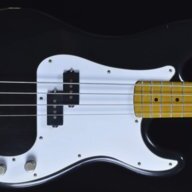
I have a G&L LB-100 Tribute, purchased new about two years ago. I immediately swapped the factory strings for Chromes and set it up to my preferred specs. I've made seasonal adjustments to the truss rod, but no other changes.
I was happy with the bass until I made a change over the holidays. I decided to sand (and then burnish) the factory gloss poly finish off the back of the neck and replace it with Tru Oil. When I removed the neck to begin sanding, a narrow piece of sandpaper fell out of the pocket.
I am not a professional luthier, but I have done all my own setups and modifications for decades and built a bass or two from parts (e.g. Warmoth). I am well aware of neck shims. This piece of sandpaper was (maybe) 1/4 inch wide, as long as the neck width where it meets the pocket, and one end was slightly folded over on top of itself.
I had never seen sandpaper used as a shim, especially this small and thin. So I threw it away, completed the sanding and oiling, then put it all back together. That's when the problems started. To summarize: since then, I cannot get the bass properly setup - no matter what/how I try. A quick (but not complete list):
To be fair, every guitar maker has imperfections and quality issues on some level. And one instrument does not represent the quality of all of them. But... the level of frustration I'm having has pushed me to now look for another P bass, not made by G&L. I feel like I got a lemon, and not only is it past warranty, I've modified it. Argh...!!
I have a G&L LB-100 Tribute, purchased new about two years ago. I immediately swapped the factory strings for Chromes and set it up to my preferred specs. I've made seasonal adjustments to the truss rod, but no other changes.
I was happy with the bass until I made a change over the holidays. I decided to sand (and then burnish) the factory gloss poly finish off the back of the neck and replace it with Tru Oil. When I removed the neck to begin sanding, a narrow piece of sandpaper fell out of the pocket.
I am not a professional luthier, but I have done all my own setups and modifications for decades and built a bass or two from parts (e.g. Warmoth). I am well aware of neck shims. This piece of sandpaper was (maybe) 1/4 inch wide, as long as the neck width where it meets the pocket, and one end was slightly folded over on top of itself.
I had never seen sandpaper used as a shim, especially this small and thin. So I threw it away, completed the sanding and oiling, then put it all back together. That's when the problems started. To summarize: since then, I cannot get the bass properly setup - no matter what/how I try. A quick (but not complete list):
- Different materials for a shim (wood, metal, paper)
- Different size shims (width, thickness, length etc.)
- Different locations within the neck pocket (G&L LB-100 has 6 screws holding the neck in place) and shims that fill the neck pocket vs. strips
To be fair, every guitar maker has imperfections and quality issues on some level. And one instrument does not represent the quality of all of them. But... the level of frustration I'm having has pushed me to now look for another P bass, not made by G&L. I feel like I got a lemon, and not only is it past warranty, I've modified it. Argh...!!