• TalkBass has been independent since 1998. Add your voice.
    Create a free account to reply to discussions, view embedded media, and browse with fewer display ads.
    Join freeLog in
    Want zero display ads or expanded classifieds tools? Compare plans.

Lemons (warning: G&L rant)

See, the bold bit there is the unrealistic bit. A shim is not "significant intervention" any more than putting air in your tires when it gets cold out is a "significant auto repair".

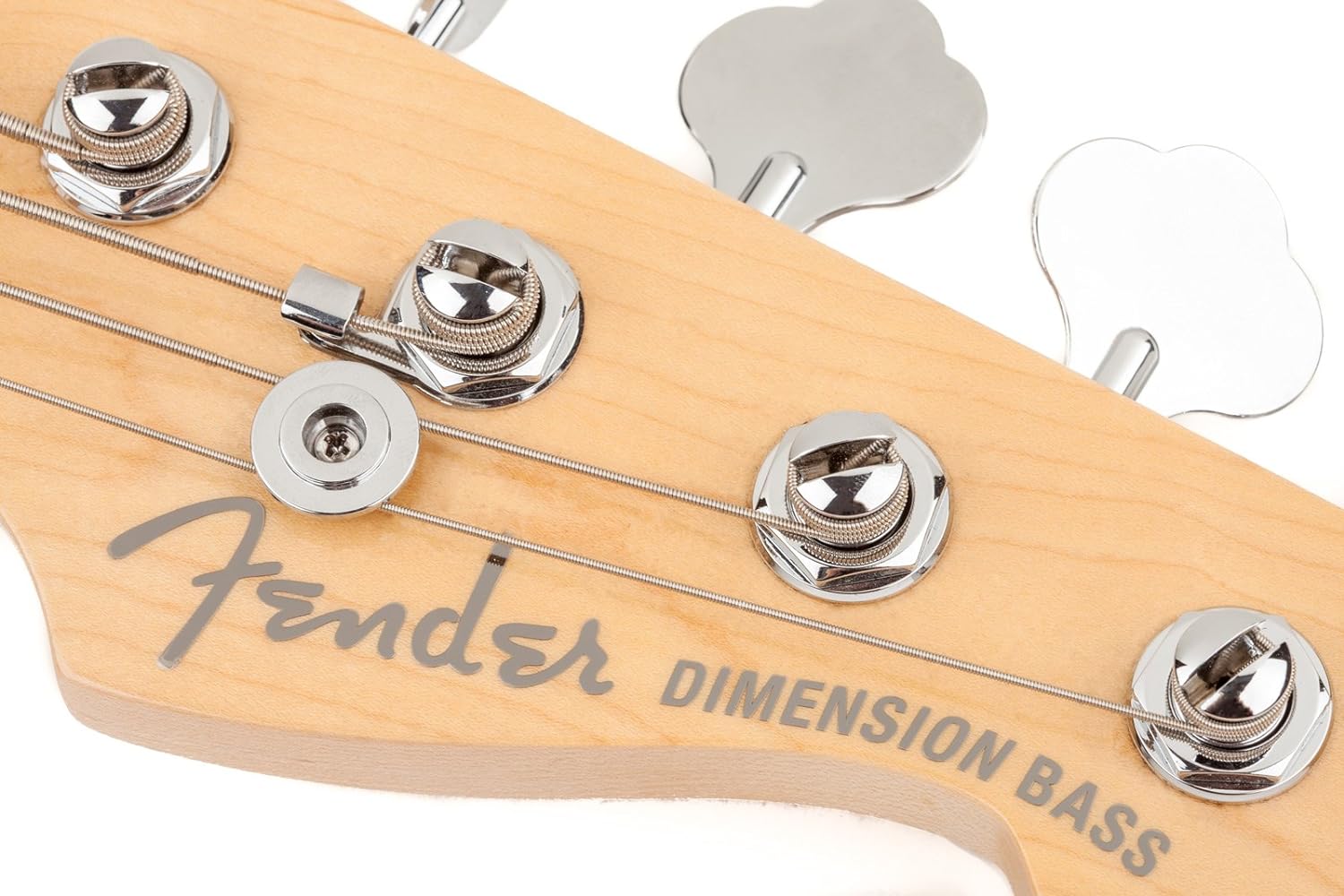
See this thing right here on the A string?
81rzJWa4i8L._AC_SL1500_.jpg


That's a "stealth string retainer".

Some people find that the break angle on some Fender basses is insufficient between the nut and the tuner and as a result it is troublesome to set up with one's preferred choice of strings/tunings without an awful rattle. The A-string break angle depends on a lot of variables. Nut, tuning machines, string trees, strings, tuning, compensation of the tuning machines, etc.

So Fender made this little string retainer to solve that problem. It comes aftermarket.

Are Fenders with the "stealth string retainer" installed lemons?
You left off probably the most significant variable which is whether witness points have been properly set in the strings.
 
  • Like
Reactions: DaveParker39
And yes... In the OP I wrote, verbatim: "I feel like I got a lemon"
...

...
Instead we get this binary, armchair troubleshooting:
...

It isn't all armchair troubleshooting - some are trying to actually help but being chopped off at the knees.

What I still don't get in all of this is that during the 2½ years prior to disassembly and removal of neck finish there was no problem and the bass played really well. Yet now, on post-mod re-assembly, we have a lemon. So what changed? Apparently no finish was removed from mating parts, yet suddenly the pocket is too deep or the neck heel too shallow and the (new-so-not-the-same-but-similar) shim won't work. I still stand by my assertion that something else must have changed: if nothing has changed then the new-so-not-the-same-but-similar shim is not quite so similar after all or OP has made an error in re-assembly. I've asked for pictures of the neck joint and asked questions about the screws and body drillings, but so far nothing doing.

Maybe it is time for popcorn and a nice sit down in the armchair...
 
It isn't all armchair troubleshooting - some are trying to actually help but being chopped off at the knees.

What I still don't get in all of this is that during the 2½ years prior to disassembly and removal of neck finish there was no problem and the bass played really well. Yet now, on post-mod re-assembly, we have a lemon. So what changed? Apparently no finish was removed from mating parts, yet suddenly the pocket is too deep or the neck heel too shallow and the (new-so-not-the-same-but-similar) shim won't work. I still stand by my assertion that something else must have changed: if nothing has changed then the new-so-not-the-same-but-similar shim is not quite so similar after all or OP has made an error in re-assembly. I've asked for pictures of the neck joint and asked questions about the screws and body drillings, but so far nothing doing.

Maybe it is time for popcorn and a nice sit down in the armchair...

Apparently, but maybe there's a bit of this happening?....;)

b71d348efc7845ff8f21a01e37b564cc.jpg
 
  • Like
Reactions: pcake and MVE
Fender could certainly improve the way they deal with the A string. It clearly has a much more shallow break angle than the other strings. Stuffing a piece of sandpaper into a neck joint is more like using a piece of gum to hold the bridge in place, or similar.

See, the bold bit there is the unrealistic bit. A shim is not "significant intervention" any more than putting air in your tires when it gets cold out is a "significant auto repair".

See this thing right here on the A string?

81rzJWa4i8L._AC_SL1500_.jpg


That's a "stealth string retainer".

Some people find that the break angle on some Fender basses is insufficient between the nut and the tuner and as a result it is troublesome to set up with one's preferred choice of strings/tunings without an awful rattle. The A-string break angle depends on a lot of variables. Nut, tuning machines, string trees, strings, tuning, compensation of the tuning machines, etc.

So Fender made this little string retainer to solve that problem. It comes aftermarket.

Are Fenders with the "stealth string retainer" installed lemons?
 
OP could learn from many people on here about how basses are manufactured and why shims are a reasonable part of that process. Instead, he's willing to die on his hill. Odd choice, but not uncommon on TB.

Yup.

I mean, we all make mistakes. I mean god knows I have taken apart things and thrown out parts in my decades of playing instruments, and probably thought it wasn't my fault at various points.

I've even zapped myself after trying to fix an amplifier in my college dorm room with parts available at the local grocery store.

You just gotta say "hey now I know this stuff is more complex than I realized" and grow.

Dying on the hill doesn't suck for us, but it does suck for OP... hopefully not a permanent state.
 
The neck should fit from factory without the need for a piece of sandpaper as a shim so I can understand how you didn't think it was meant to be there. I offer you sympathy. You could write to the manufacturer and let them know what happened. If they are decent, they will help you regardless of warranty or you having sanded the neck.

Lots of manufacturers shim their necks, including Fender.
 
I'm surprise that no one has mentioned that sanding the finish off the back of the neck has exposed the wood to humidity which can impact the neck such that a truss rod adjustment is now needed regardless of shim replacement.

I don’t understand why people think they have to sand the finish completely off. A light sanding that takes the shine off will give you a smooth feeling neck without the issues of sanding all the way down to wood.