My only point was that a '74 pot didn't necessarily mean it's a '74. I'm sure the buyer checked the number prior to buying.

TalkBass has been independent since 1998. Add your voice.
Create a free account to reply to discussions, view embedded media, and browse with fewer display ads.
Join free Log in
Want zero display ads or expanded classifieds tools? Compare plans.

My only point was that a '74 pot didn't necessarily mean it's a '74. I'm sure the buyer checked the number prior to buying.

Actually the blow by blow goes something like this...
-Seller lists a vintage bass with very misleading headline claiming its in "mint" condition but then clearly states in the body of the ad that's its "near mint" and proceeds to show photos and provide descriptions of the various dings and damage.
-Buyer sees headline and all the pretty pictures and is seduced into believing its mint so he buys it at what he feels is fair for a mint condition bass.
-Buyer receives the bass and is surprised at the amount of wear and damage on the bass.
-Buyer turns to TB to get a better understanding of what "mint" is and how much the bass really is worth vs what he paid and provides close up pictures of all the damage along with his interpretation of what condition the ad said the bass was in.
-With only the buyers half of the story and no link to the sellers ad a "well informed" TB lynch mob quickly forms and proceeds to verbally rip the seller a new one.
-A level headed TBer finds a copy of the ad and posts it which clearly shows how the seller carefully crafted the ad to mislead but covered his butt with some pics and disclaimers on the actual condition.
-meanwhile the lynch mob has gained momentum and the piling on effect continues
-The buyer contacts the seller and explains his dissatisfaction and they agree on a reduced price for the bass vs the seller having to return it.
-The seller is now happy with the reduced price and the 1975 P Bass which most would agree is in very good condition considering its age.
-And they all lived happily ever after.

Firstly.. if you know the dealer, please don't post it in here, I'm not out to defame the guys..
So I purchased a bass, I'm not naming the dealer.. but they sell vintage gear..
It was described as "1975 Fender Precision Bass Mint Collector Grade New Old Stock Sunburst w/ Case Candy & OHSC!"
Maybe mint was referring to the price, not condition!

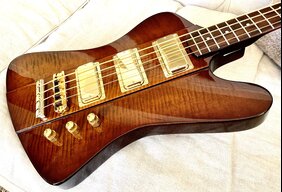
That's what I thought. The unfinished and fresh cut looking wood inside the pickup cavity and the drastic difference in tarnish between the tuners and neck plate has me puzzled as well.Help me out here. I thought Fender went to black pick guards on their sunburst basses in 74. In the close up the op has of the pickups his tort almost looks like a printed tort guard. Or is it just me. Foil on the back of the guard looks a little funky too.
That's what I thought. The unfinished and fresh cut looking wood inside the pickup cavity and the drastic difference in tarnish between the tuners and neck plate has me puzzled as well.
I guess all is good then.I wiped the bass down with fender/meguires guitar cleaner, there was a little tarnish on the neck plate, it pretty much came off when it was wiped, I'm not going to wipe the tuners down as they need to be dismantled for that.. Can't be bothered.
Also, the ferrules are heavily tarnished as they are nickel plated, neck plate is chrome.. Nickel tarnishes pretty quickly and heavly.. The bridge, covers and knobs are also untarnished, the pickup cover is a slightly different shape to current ones so I'm assuming true.
As I mentioned with the pickguard, I've seen the identical printed pattern on various mid 70s fenders.
I'd wonder why an instrument 40 years old is mint.
Yeah I know but I never find old mint hammers. I hear ya though.It doesn't necessarily suggest anything's wrong with the instrument. There are people who buy really nice gear and then stuff it in a closet or under a bed; never playing it. I know people like that.

Yeah I know but I never find old mint hammers. I hear ya though.


Yeah I know but I never find old mint hammers. I hear ya though.
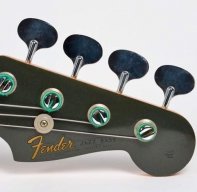
Help me out here. I thought Fender went to black pick guards on their sunburst basses in 74. In the close up the op has of the pickups his tort almost looks like a printed tort guard. Or is it just me. Foil on the back of the guard looks a little funky too.
That's what I thought. The unfinished and fresh cut looking wood inside the pickup cavity and the drastic difference in tarnish between the tuners and neck plate has me puzzled as well.