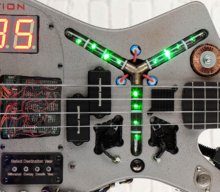
That's exactly what my two Squiers are!lol this one is maple/maple/maple!!!

TalkBass has been independent since 1998. Add your voice.
Create a free account to reply to discussions, view embedded media, and browse with fewer display ads.
Join free Log in
Want zero display ads or expanded classifieds tools? Compare plans.
That's exactly what my two Squiers are!lol this one is maple/maple/maple!!!
I have a Seagull acoustic made by Godin that's got silver maple. Sounds fantastic.




lol this one is maple/maple/maple!!!
Brighter compared to what? You can always turn roll the treble off, no?I've got a Warwick with an all maple body and it's pretty light compared to other Warwick models. It looks great and the wood does a superb job of resisting scratches and dinfs. The only downside of Maple is that it's brighter sound.
Yup.. I have a neckthrough Carvin icon with maple/mahogany neck and mahogany wings. Nice tone. Somehow carvin doesn't offer that many varieties of woods for the neck. I would have gotten wenge if I had that option.Also,
One thing to keep in mind about maple bodies is that they tend to be a bit on the "tinny" side of the sound range. At least all the ones I have had/have are this way. Possibly due to the tight grain patterns.
Walnut and other popular woods for bodies (alder, swamp ash) tend to have a more medium or warm sound to them. Which is why you will find some bodies mixing the maple with another type.
Maple spine with mahogany wings come to mind. A lot of the hand made B.C. Rich bases went this path and come out with a nice tone.
This of course is my experience with them and may be completely off from facts...


Variation includes tonality, weight, appearance, strength, and more. Am always intrigued by the blanket assessment statements/stereotypes/myths like those promulgated/expressed in this thread and others. I play two maple body/neck 5ers that are 8-9 lbs. They are complex and balanced tonally, and ergonomic.. . within a species there's a lot of variation, just like with ash . .
I always expected an all maple body to be heavy and have smooth lows overwhelmed by sharp highs and high mids.
Variation includes tonality, weight, appearance, strength, and more. Am always intrigued by the blanket assessment statements/stereotypes/myths like those promulgated/expressed in this thread and others. I play two maple body/neck 5ers that are 8-9 lbs. They are complex and balanced tonally, and ergonomic.
However, woods were hand chosen by the builder. Maybe this is the crucial element in the discussion of wood species tone, weight, and appearance (re: care and skill in wood selection/use/build vs tossing whatever lumber comes off a skid into a CNC mill).
Yes - you can turn the treble down (I have 3 band EQ on the bass). However, part of the brightness is that the maple body doesn't have the solid fundamental lows that other tone woods have.Brighter compared to what? You can always turn roll the treble off, no?


My bass.... flamed maple body. Invalid Link Removed

You'd be fine..... it just takes some practice/adjustment timeDid the price include fundamental lows?!? 6 strings, no frets...in my hands, that would be a complete and total trainwreck.
Riis


Rock maple is tough on tools too, I've found cutting it with a bandsaw tough work, and even my 1.5 hp contractors saw with a thin kerf blade bogs down a little cutting it.