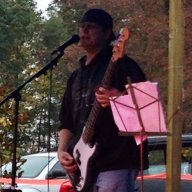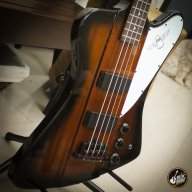
I guess I don't really run into that problem too often (with basses). I should say why.
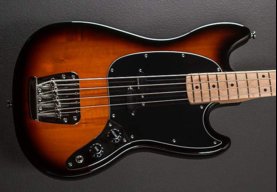
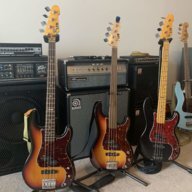
First, I try not to buy things on a whim, because the things I own are a responsibility, and I only like to keep things in my life when I can take responsibility for them. For example, if I buy a bass, but I have others that I never use or maintain, it feels like my basses don't mean much to me. I don't want them to be… neglected. Why buy another when I can't keep up with the ones I have? So I never get the "do you really need another bass" question, because… well, I don't need one, and I've got my hands full already.
Second, I really like the idea of tools that can multitask. Lots of folks (here and abroad) will say I should use "the right tool for the job." But, TBH, most of the time, one tool can do lots and lots of jobs—as long as I find (or build) the most versatile tool I can. Most of the time it's even easier than that: I think it's possible to just learn to use my instrument in a way that is versatile. For example, if I learn how to use my bass' tone and pickup controls, I can get enough sounds that I don't need another bass. Or if I learn how to do some basic electronics work, I can get even more sounds out of my bass.
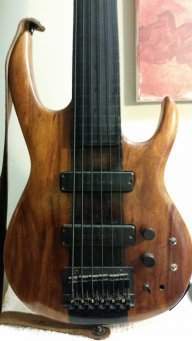
There are, of course, limits. I just bought my first bass in 13 years, because I really wanted to learn to play fretless. My partner never asked, "Do you need another bass?" Instead, she said, "Yeah. I think you really need to get that bass."
First, I try not to buy things on a whim, because the things I own are a responsibility, and I only like to keep things in my life when I can take responsibility for them. For example, if I buy a bass, but I have others that I never use or maintain, it feels like my basses don't mean much to me. I don't want them to be… neglected. Why buy another when I can't keep up with the ones I have? So I never get the "do you really need another bass" question, because… well, I don't need one, and I've got my hands full already.
Second, I really like the idea of tools that can multitask. Lots of folks (here and abroad) will say I should use "the right tool for the job." But, TBH, most of the time, one tool can do lots and lots of jobs—as long as I find (or build) the most versatile tool I can. Most of the time it's even easier than that: I think it's possible to just learn to use my instrument in a way that is versatile. For example, if I learn how to use my bass' tone and pickup controls, I can get enough sounds that I don't need another bass. Or if I learn how to do some basic electronics work, I can get even more sounds out of my bass.
There are, of course, limits. I just bought my first bass in 13 years, because I really wanted to learn to play fretless. My partner never asked, "Do you need another bass?" Instead, she said, "Yeah. I think you really need to get that bass."