Tried it out and loved it! More to come...
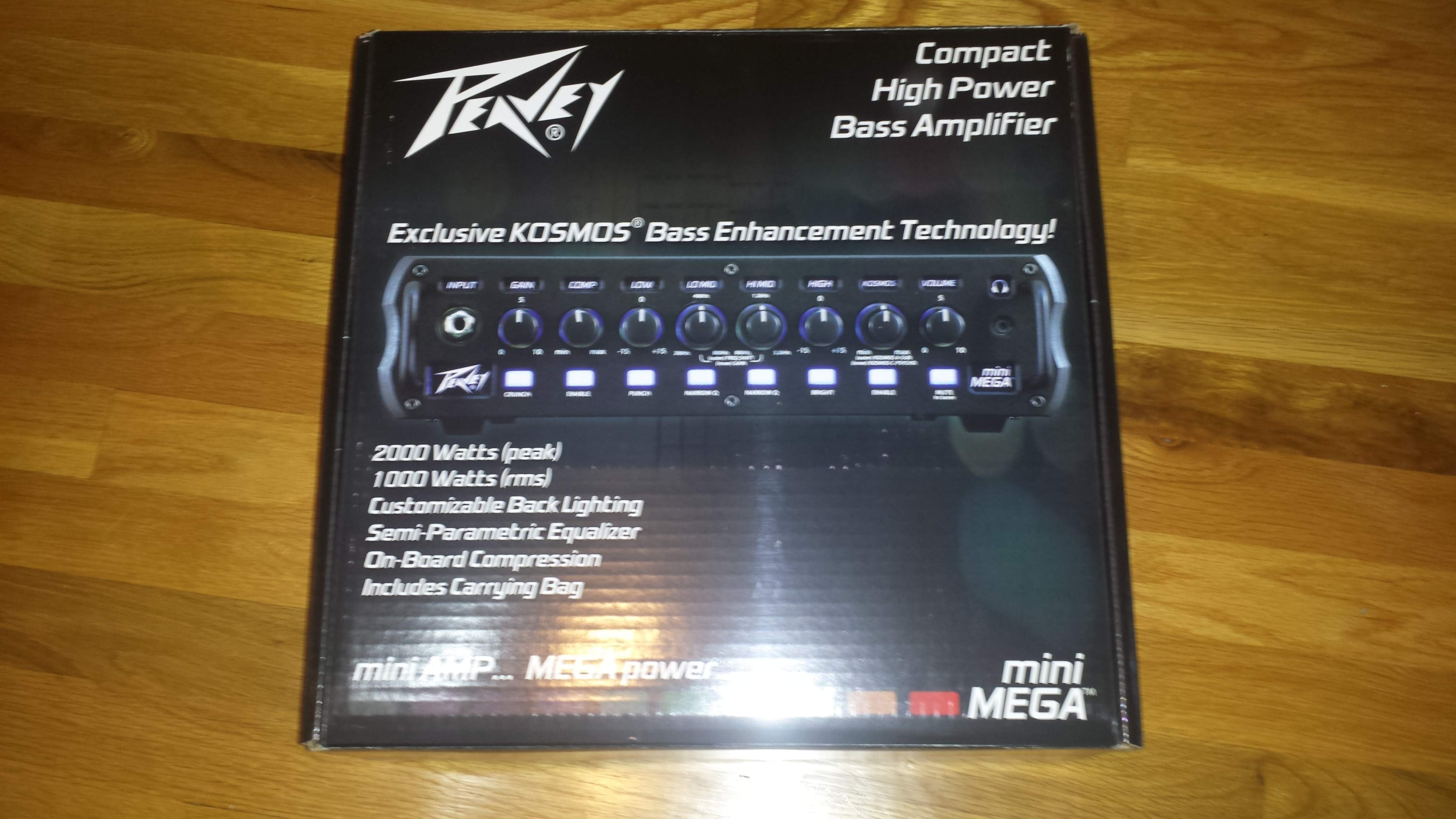


Ok finally some time to do a full write up!
First and foremost I have to say @BbbyBld did an amazing job with this amp. I know it has been a long time in the works, but it was worth the wait.
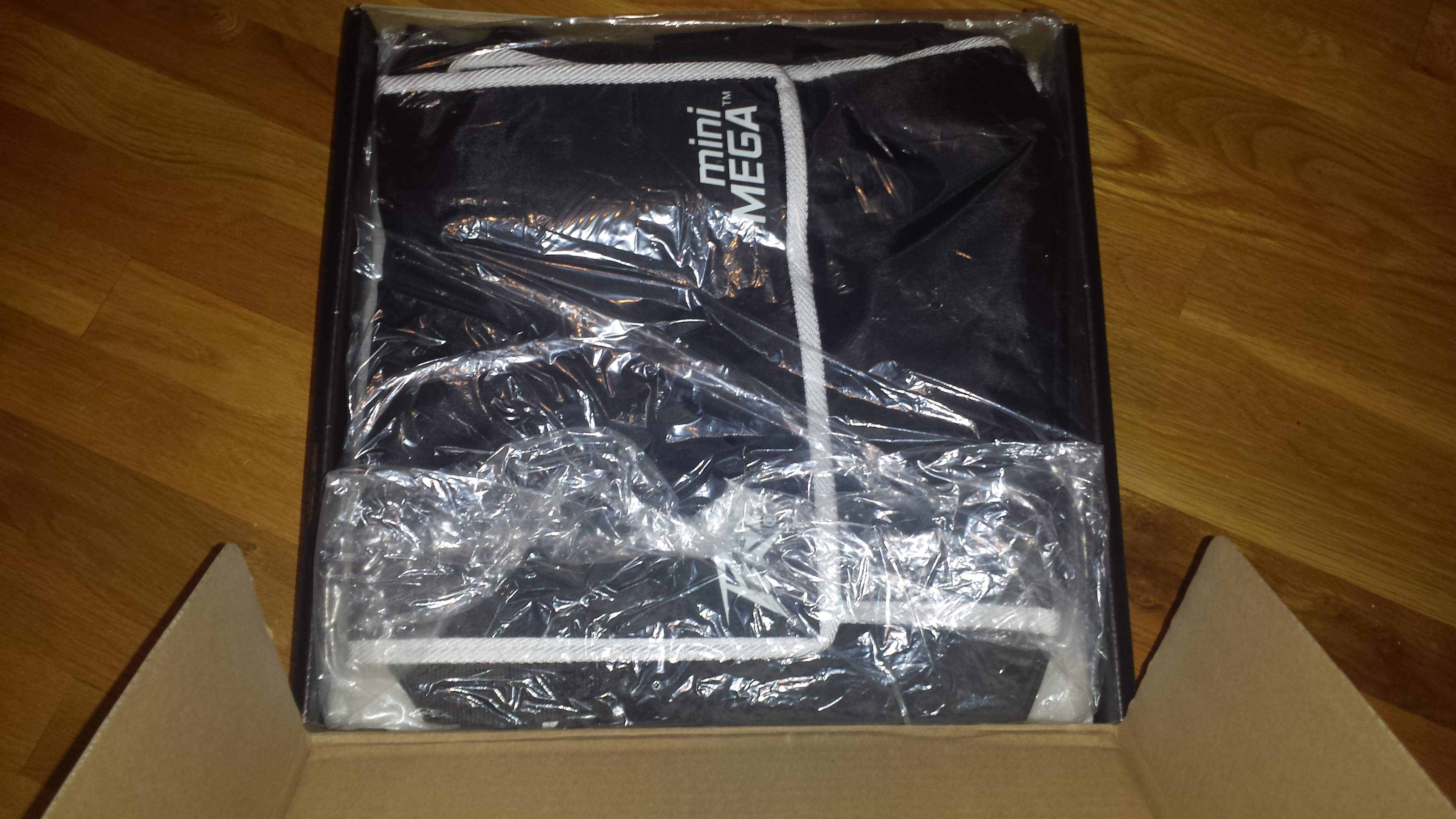
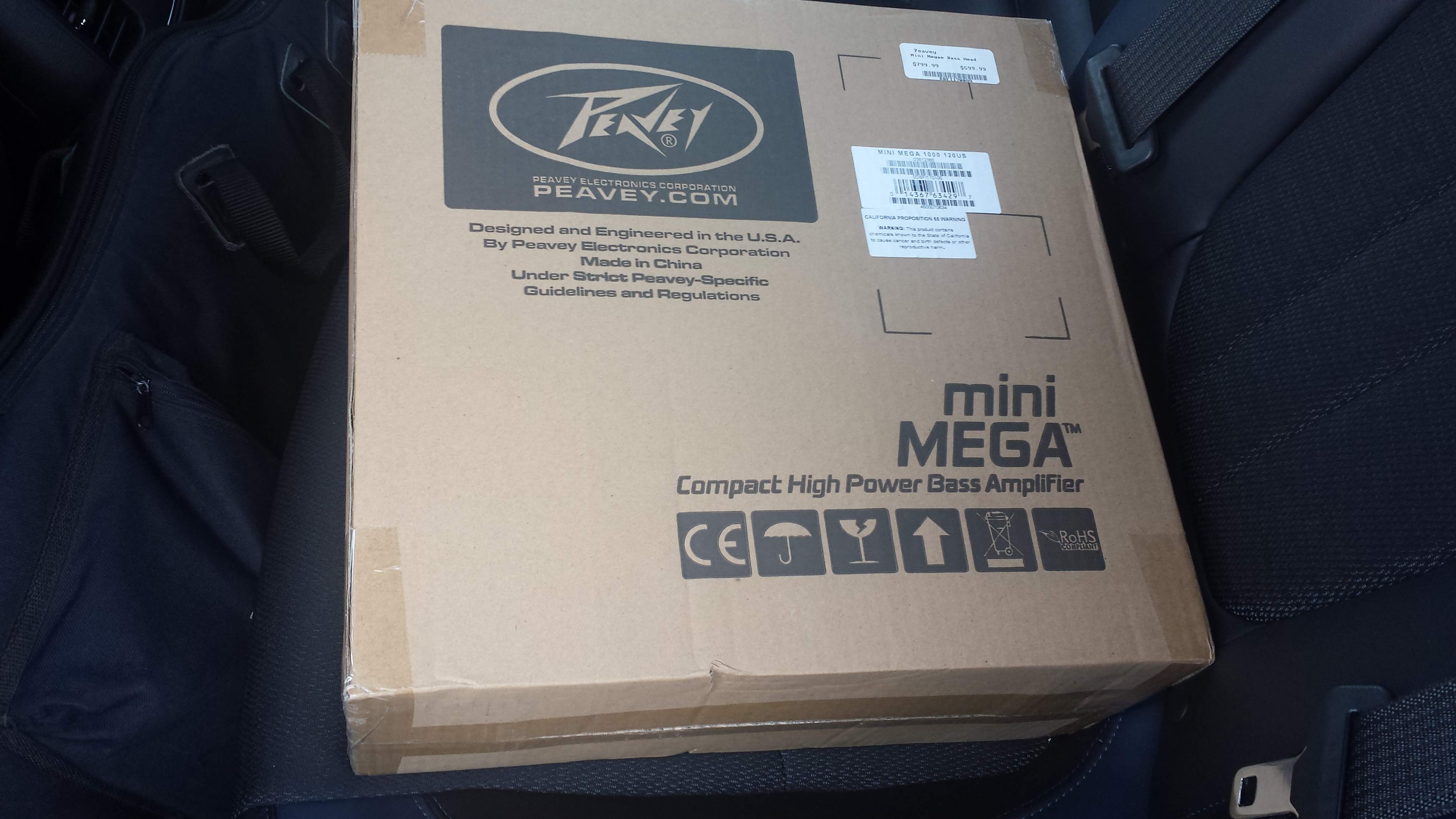
The first thing you notice with this amp is it is not tiny like a lot of micros on the market, similarly it is not a large amp. It also is middle of the pack in therms of weight. I would say this is partly to do with the fact that the amp feels SOLIDLY constructed in hand. The entire outer case is metal/aluminum, the loops on the front are once again solid. The knobs have a solid feel, everything on this amp "feels" high quality, nothing feels like an afterthought.
With out the crunch engaged the gain does exactly what you expect, increases your signal to the amp. There may be a little warmth added tonally as you bring it up, but it is more of a "quickness". With the crunch engaged it is a different story. There is a nice warmth that comes in with the gain set low, as you bring it up there is some overdrive that is very pleasing. So much so that this is the first on board distortion that comes close to what my JGR does.
The compressor is super simple and effective, and sounds great. If you dial it all the way up, it will squash your hard hits way down. Back towards noon it is where I prefer it. Very musical, and lets your inflection through, but still levels out your signal if you are using dynamic playing. Are there better examples of compressors out there? Absolutely. Are they on 1,000 watt, $500 micros? Fugg no.
All in all, I would say that the gain, crunch, and compression are the most important pieces to getting the most tonally out of this amp. It can go from warm and smooth, to percussive and grunty, you can dial it up to gnarly if you want. This is all really important because...
The EQ is fantastic, and fairly transparent. It is powerful in shaping your tone, but doesnt seem to cloud over the tone you are sending the amp. The "low" knob isnt set/centered too low as I find most amps, and the highs are lower than most as well. IMHO this is more useful as it actually changes the real meat of of your tone, not just the glossy air above what you are playing. The mid knobs with parametric controls are super easy use. I find that maxing or minimizing the the level and then sweeping to find the frequency you want to get at, then dial in the level. The narrow Q lets you dial this in even easier.
The Kosmos system is pretty interesting. There are two functions. One is actually adding sub lows to your signal. The other, and more useful IMHO is the "psyco" addition. With a cab that doesnt have a lot of capability, I can see this really rounding out your tone. With a cab that is capable, you can add just a touch of low end and really get some booty shaking going on.
I will try and get some clips of the amp recorded and posted!
Ok finally some time to do a full write up!
First and foremost I have to say @BbbyBld did an amazing job with this amp. I know it has been a long time in the works, but it was worth the wait.
The first thing you notice with this amp is it is not tiny like a lot of micros on the market, similarly it is not a large amp. It also is middle of the pack in therms of weight. I would say this is partly to do with the fact that the amp feels SOLIDLY constructed in hand. The entire outer case is metal/aluminum, the loops on the front are once again solid. The knobs have a solid feel, everything on this amp "feels" high quality, nothing feels like an afterthought.
With out the crunch engaged the gain does exactly what you expect, increases your signal to the amp. There may be a little warmth added tonally as you bring it up, but it is more of a "quickness". With the crunch engaged it is a different story. There is a nice warmth that comes in with the gain set low, as you bring it up there is some overdrive that is very pleasing. So much so that this is the first on board distortion that comes close to what my JGR does.
The compressor is super simple and effective, and sounds great. If you dial it all the way up, it will squash your hard hits way down. Back towards noon it is where I prefer it. Very musical, and lets your inflection through, but still levels out your signal if you are using dynamic playing. Are there better examples of compressors out there? Absolutely. Are they on 1,000 watt, $500 micros? Fugg no.
All in all, I would say that the gain, crunch, and compression are the most important pieces to getting the most tonally out of this amp. It can go from warm and smooth, to percussive and grunty, you can dial it up to gnarly if you want. This is all really important because...
The EQ is fantastic, and fairly transparent. It is powerful in shaping your tone, but doesnt seem to cloud over the tone you are sending the amp. The "low" knob isnt set/centered too low as I find most amps, and the highs are lower than most as well. IMHO this is more useful as it actually changes the real meat of of your tone, not just the glossy air above what you are playing. The mid knobs with parametric controls are super easy use. I find that maxing or minimizing the the level and then sweeping to find the frequency you want to get at, then dial in the level. The narrow Q lets you dial this in even easier.
The Kosmos system is pretty interesting. There are two functions. One is actually adding sub lows to your signal. The other, and more useful IMHO is the "psyco" addition. With a cab that doesnt have a lot of capability, I can see this really rounding out your tone. With a cab that is capable, you can add just a touch of low end and really get some booty shaking going on.
I will try and get some clips of the amp recorded and posted!
Last edited: