
Enjoy the benefits of a premium membership!
Upgrade Account
-
TalkBass has been independent since 1998. Add your voice.
Create a free account to reply to discussions, view embedded media, and browse with fewer display ads.
Join free Log in
Want zero display ads or expanded classifieds tools? Compare plans.
You are using an out of date browser. It may not display this or other websites correctly.
You should upgrade or use an alternative browser.
You should upgrade or use an alternative browser.
Rosewood vs maple or vice versa and why
- Thread starter Willie5String
- Start date
More options
Who Replied?
Finish makes a difference definitively. Neck shifts due to changes in humidity and temp. Open grain wood (i.e. rosewood fretboard) soaks up moisture and expands, and main part of neck (finished maple) doesn't soak, so neck bows backward. And other way around - dry air makes open wood drier, it contracts and neck gets forward bow.I don't think a thin layer of finish on the fretboard makes a difference and for what's it's worth my one-piece maple necks are the least stable in my stable. A glued-on fretboard should make the neck move less, right?
If fretboard and main part of neck are made of same wood and both have finish, they change much less and in sync, making neck more stable.
Of course, other things contribute so you can have exception, but in general this stands.
P.S. As far as I know, every fretboard is glued-on, even on what they call "one piece neck". That just means neck was one piece, than upper part (fretboard to be) was sliced-off, truss rod was inserted, and fretboard was glued back on. I may be wrong.

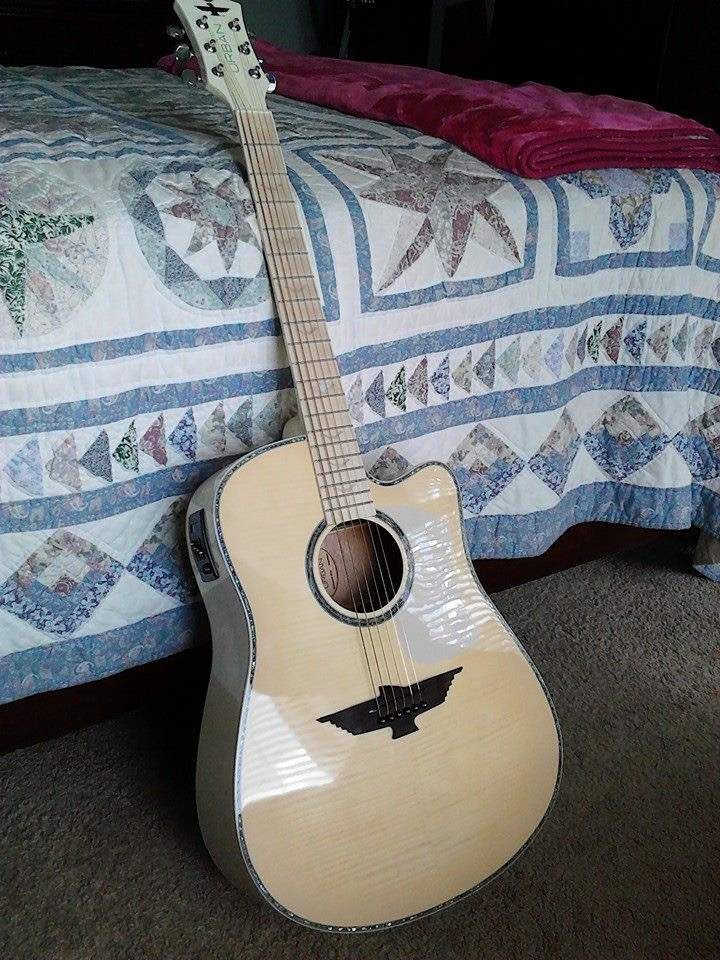
I have an acoustic with a maple fingerboard. It’s one of those Keith Urban guitars they sold on HSN. Actually sounds and plays quite good after I tweaked the action on it.
I don't know man, I had a guitar player 50 years ago, with a '53 Stratocaster with maple fretboard. Most Ive seen since with rosewood just dont look right to me.

I seem to gravitate to rosewood specifically based on how it feels under my fretting hand. Even other dark woods feel “off” to me. I’ve owned basses with maple and ebony boards, and several other varieties, and I never noticed anything tonally that I could confidently attribute to the fingerboard wood.

Still bonding with my first maple finger board. Great bass but I’ve always gone for the softer rose wood. Had it six months now and I like how articulations sound clearer but I get a smoother touch on the rose wood. Nice to have the option but I think rose wood just wins.

On the one hand, I defy any player to be able to identify the type of fingerboard wood from a recording.
On the other hand, highly knowledgeable folks, like Roger Sadowsky and Mike Tobias will tell you that the fingerboard wood is extremely important to the tone of a particular instrument.
So, does the fingerboard wood matter or not? IMHO, both the inaudible differences on recordings and the statements by well grounded luthiers can be true. How is that? Well, the musician gets a significant sensory feedback from the instrument while playing, which affects playing (everything does), but doesn’t carry over on to tape.
And, while you are mulling over that little tidbit, I like my carrots sautéed in butter with just a bit of honey added.
On the other hand, highly knowledgeable folks, like Roger Sadowsky and Mike Tobias will tell you that the fingerboard wood is extremely important to the tone of a particular instrument.
So, does the fingerboard wood matter or not? IMHO, both the inaudible differences on recordings and the statements by well grounded luthiers can be true. How is that? Well, the musician gets a significant sensory feedback from the instrument while playing, which affects playing (everything does), but doesn’t carry over on to tape.
And, while you are mulling over that little tidbit, I like my carrots sautéed in butter with just a bit of honey added.
They also have one piece necks with the fretboard never removed and a posterior skunk stripe to insert the truss rod.Finish makes a difference definitively. Neck shifts due to changes in humidity and temp. Open grain wood (i.e. rosewood fretboard) soaks up moisture and expands, and main part of neck (finished maple) doesn't soak, so neck bows backward. And other way around - dry air makes open wood drier, it contracts and neck gets forward bow.
If fretboard and main part of neck are made of same wood and both have finish, they change much less and in sync, making neck more stable.
Of course, other things contribute so you can have exception, but in general this stands.
P.S. As far as I know, every fretboard is glued-on, even on what they call "one piece neck". That just means neck was one piece, than upper part (fretboard to be) was sliced-off, truss rod was inserted, and fretboard was glued back on. I may be wrong.

Playability? Couldn't care less.
Appearance? Whatever works with the over all presentation.
Same here.


- Apr 18, 2008
- 16,020
- 1
- 31,740
- Disclosures
- I'm highly opinionated and extremely self-assured
Pau Ferro or Mac Ebony or Ovangkol. Or whatever’s on sale at LMII and is a darker shade. Why? Aesthetics.

When I was poor and could only afford almost used up old basses i looked at (and owned) maple neck basses with the clear coat peeling in areas were it was fingered a lot and the exposed wood was a grayish blackish looking spot on a light blond background. It always struck me as really ugly. When I got older and able to look at less used basses, i gravitated to dark boards because even with divots from being used by someone who didn’t keep their nails trimmed, you had to be up close to see them. When I came to the point where i could afford new instruments, I never picked up a maple board neck to try, it was just not on my radar in any form or fashion. Over the years since I’ve bought maple neck basses but only as flip material.

For fretless, I've never tried maple, and don't know why I would.
 i have a couple with maple --- and the only reason i have them is "kid stuff" = looks!
Glossed Maple Because it needs almost ZERO maintenance! in my eyes it's very beautiful too.
 the fingerboards on two of mine are glossed maple. neither are more than 3 years old, but both seem to be hardy and up to the task. and i agree that they look great! but it's nice to hear "zero maintenance."
I've always thought maple looked cheap/tacky
 if you think those boards look cheap and tacky, wait until you see who plays them!
per the OP: i like 'em all! no kidding, they all look great to me --- even the non-wood boards. i've played ebony boards longer than any other, but i've never had a rosewood board i didn't like. my choice of maple boards in the last couple of years has been based entirely on looks...raw, unabashed "kid stuff." looking back: i was always impressed with the look of the fretless/maple combination, but when i joined TB i saw a bunch of posts/pics of that look and i GASsed. i finally got around to putting together a parts ax (two actually) with a maple board. love it!
boards i've played (and like):
- maple
- rosewood
- ebony
- ebonol
- composite (wood and resins)
- epoxy/poly over whatever
when it comes to actually playing the things = i honestly have no preference.
Last edited:



I like both but on a Fender or similar I like the look of maple. I also developed a thing for black basses with maple necks because I look so good with them
Black + maple + chrome = rock.


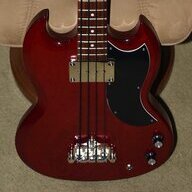
Over the years on Fender Jazz, and Precision basses, I preferred Maple. Epiphone / Gibson EB, and SG basses, I preferred Rosewood. No particular reason, just liked them that way.
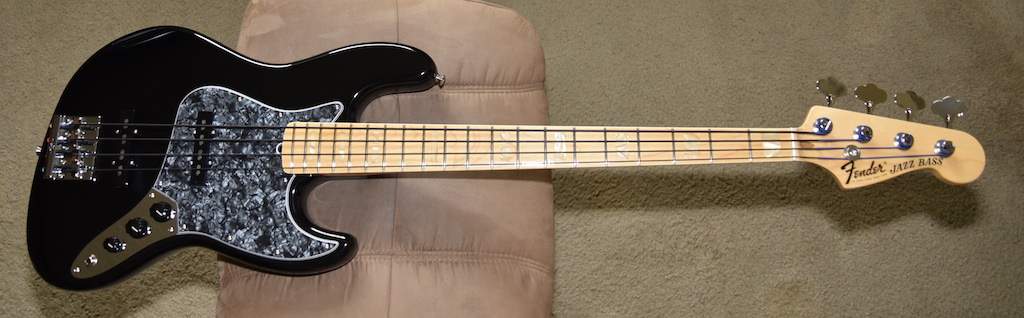
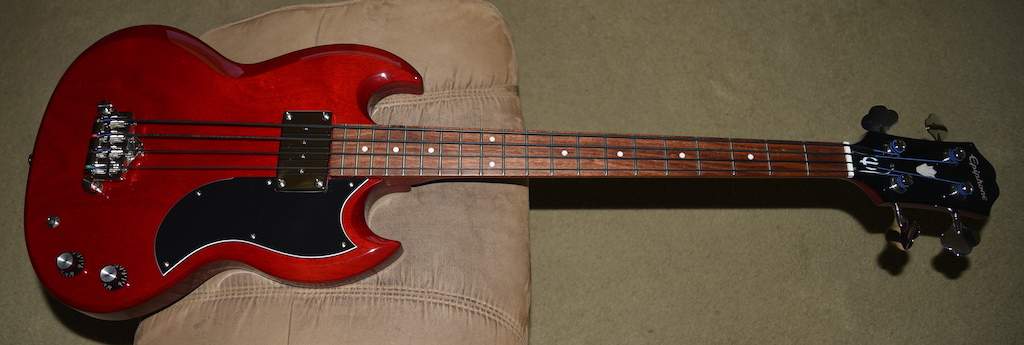
Last edited:

Smooth_bass88
vaxx!
- Oct 31, 2006
- 12,122
- 16,796
- Disclosures
- have been on nationally released albums, charting on the Billboard 200
When I say one piece I mean the whole neck is carved out of one piece of maple and the truss rod channel is plugged by the skunk stripe. My Vintera neck is like that whereas the Player neck it replaced has a glued-on maple fretboard (slab).Finish makes a difference definitively. Neck shifts due to changes in humidity and temp. Open grain wood (i.e. rosewood fretboard) soaks up moisture and expands, and main part of neck (finished maple) doesn't soak, so neck bows backward. And other way around - dry air makes open wood drier, it contracts and neck gets forward bow.
If fretboard and main part of neck are made of same wood and both have finish, they change much less and in sync, making neck more stable.
Of course, other things contribute so you can have exception, but in general this stands.
P.S. As far as I know, every fretboard is glued-on, even on what they call "one piece neck". That just means neck was one piece, than upper part (fretboard to be) was sliced-off, truss rod was inserted, and fretboard was glued back on. I may be wrong.

Maple
If you’re on a super dark stage, chances are you can still see the fingerboard if needed.
I remember when I had a black necked bass (modulus flea J5) and it was almost impossible to see on a dark stage. Not so the case with maple.
Since many people can’t tell the difference tonally (there are plenty of TB threads with sounds clips), why limit my eyes on stage?
Plus, if you’re a guy like me who likes color on their basses (no sunburst please), then maple usually compliments the looks better IMO.
If you’re on a super dark stage, chances are you can still see the fingerboard if needed.
I remember when I had a black necked bass (modulus flea J5) and it was almost impossible to see on a dark stage. Not so the case with maple.
Since many people can’t tell the difference tonally (there are plenty of TB threads with sounds clips), why limit my eyes on stage?
Plus, if you’re a guy like me who likes color on their basses (no sunburst please), then maple usually compliments the looks better IMO.