
Enjoy the benefits of a premium membership!
Upgrade Account
-
TalkBass has been independent since 1998. Add your voice.
Create a free account to reply to discussions, view embedded media, and browse with fewer display ads.
Join free Log in
Want zero display ads or expanded classifieds tools? Compare plans.
You are using an out of date browser. It may not display this or other websites correctly.
You should upgrade or use an alternative browser.
You should upgrade or use an alternative browser.
Thunderbird Club
- Thread starter TBird1958
- Start date
-
- Tags
- club thunderbird
More options
Who Replied?

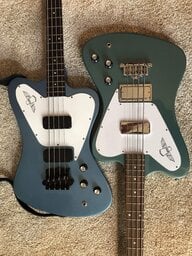
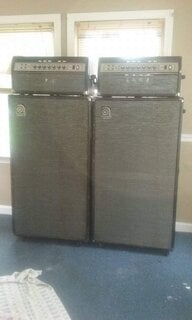
Keep us posted on the outcome!
For anyone curious, & new to 3 point bridge system (the traditional one, not aftermarkets like babicz/hipshot). Here's the post i was speaking of earlier. I'm sure many know of this one, thought i'd bring it as a refresher for all of us - newcomers & long time lurkers xD
Gibson/Epiphone 3 point bridge setup.
I didn't read the whole thread that came from but assumed it was an old bass that had sat for a length of time. I agree with everything he said except I am much more careful when tightening a truss rod, I take the string pressure off the neck (which means pushing or pulling the neck backwards so the strings get closer to the neck) so the truss rod doesn't have to fight it and usually only turn them 1/8 to 1/4 of a turn when tightening them unless the bass neck is obviously really bowed and then let it sit for a while and check again as it will sometimes take a neck a while to respond.
I usually stand them up on the floor and put my knee behind the bass body and pull on the neck while tightening the truss rod. It works for all basses that adjust at the headstock, with Fenders I hold them in playing position and pull on the neck with my elbow on the body while tightening the truss rod. This was even put into Fender manuals years ago, I bought a new P bass in 1970 and it said put the bass on a table and have someone hold the neck down while you hold the body down and then tighten the truss rod. But it can easily be done alone with just about any bass. Your neck will thank you in the long run.

I didn't read the whole thread that came from but assumed it was an old bass that had sat for a length of time. I agree with everything he said except I am much more careful when tightening a truss rod, I take the string pressure off the neck (which means pushing or pulling the neck backwards so the strings get closer to the neck) so the truss rod doesn't have to fight it and usually only turn them 1/8 to 1/4 of a turn when tightening them unless the bass neck is obviously really bowed and then let it sit for a while and check again as it will sometimes take a neck a while to respond.
I usually stand them up on the floor and put my knee behind the bass body and pull on the neck while tightening the truss rod. It works for all basses that adjust at the headstock, with Fenders I hold them in playing position and pull on the neck with my elbow on the body while tightening the truss rod. This was even put into Fender manuals years ago, I bought a new P bass in 1970 and it said put the bass on a table and have someone hold the neck down while you hold the body down and then tighten the truss rod. But it can easily be done alone with just about any bass. Your neck will thank you in the long run.


- Mar 13, 2008
- 18,897
- 142,224
- Disclosures
- Endorsing Artist Mike Lull T Bass pickups, The Bass Shop, Seattle WA.

Looks like a 401K to me.

Yes but you get to enjoy it before your too old to appreciate it!!Looks like a 401K to me.
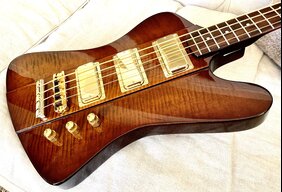
Just be sure to keep your stick on the ice.

Ahem!!Just be sure to keep your stick on the ice.
sometimes wonder how many folks that bought these old Birds brand new are still around..Yes but you get to enjoy it before your too old to appreciate it!!
I’d love to hear those stores of the previous lives.sometimes wonder how many folks that bought these old Birds brand new are still around..
Just be sure to keep your stick on the ice.
or tuck it in your sock
Had the same experience at a Chicago concert in Atlanta. And we were sitting right in front of subs. I've played many of those bass lines, so I heard 'em in my head. Not through the speakers.My wife is a country fan and I occasionally go to shows with her. We saw Alan Jackson at the Kodak Theater a few years ago. All kick drum. No bass. I was miserable.
Wouldn't that be fascinating to know! And how many are in a closet someplace.sometimes wonder how many folks that bought these old Birds brand new are still around..
x out of 718 Thunderbird IIs
x out of 322 Thunderbird IVs
One of the most unique and best sounding basses of all time only made a fuzz over 2 years (obviously not counting the equally worthy NRs).
Rush is auditioning drummers to get back on tour....

Gaolee
Official leathers tester and crash dummy
The kit is missing its hats and crash cymbal. The drummer looks about right, though.
Gaolee
Official leathers tester and crash dummy
Where did you get that picture of me?
Latest posts
-
Need Recommendation for Repair Shop In Western Connecticut
- Latest: averagejoe53
-

-

-

-

