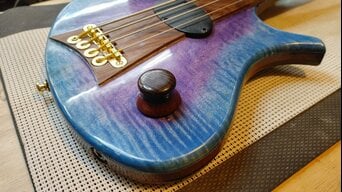
That's awesome @Slidlow! I can't imagine anything I built returning home after decades. 

TalkBass has been independent since 1998. Add your voice.
Create a free account to reply to discussions, view embedded media, and browse with fewer display ads.
Join free Log in
Want zero display ads or expanded classifieds tools? Compare plans.

Yes 40 years and half a continentThat's awesome @Slidlow! I can't imagine anything I built returning home after decades.
 . Hadn't had any contact or way to contact so it is a little amazing
 . Someone from my home town started a "come from here" musician page on Facebook and that's where the connection was made. I expected it would have been scrapped but the gentleman kept it all these years
 . It wasn't a prime build as I was testing some ideas and sold it cheap but on first tune-up it plays well and sounds fine
 . There were a couple more from that era that I would like to find.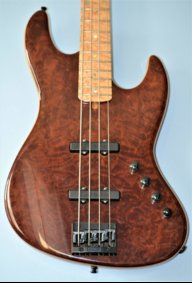

Same here, after hitting 60 and 70 and sun. If you don't like the weather here, wait 5 min.snow and wind all day
I never use WD40 as a lubricant because it's a solvent and not really an oil. In fact, I have to constantly tell everyone at work to NOT use it as a lubricant. Especially on any kind of bearing. It will eat away any oil or grease and then evaporate, leaving nothing. I also discourage people from lubricating their locks with it because it just dissolves any lubricant that's in there and then evaporates. It is pretty decent at displacing water from inside a lock. But once it dries, you have to add actual lubricant. I use it as a penetrant, adhesive remover and degreaser. I clean tools with it all the time. A quick wipe down and any residue will eventually evaporate. So, I wouldn't hesitate to use it to clean the files, along with a brass brushing. Dap the excess off with a towel and just let them sit on a dry towel for a while and you should be good to go.I can't bring myself to putting oil or wd-40 on anything that's going to be used for wood. Boeshield?

Those of you with old steel tools that regularly contact on wood, how do you address flash rusting?
A very little oil isn't going to hurt your wood, and will help your tools no end!
Here's a traditional approach:
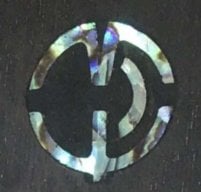


Getting the ziricote sisters shined up for their big day.
View attachment 4230119
View attachment 4230120



@Big B.
Beautiful! what is that finish, looks like poly? What are you doing for grain fill?


Thanks man! I use a sprayed conversion varnish from sherwin williams called sher-wood. Its a two part finish which adds a bit of potential difficulty but otherwise it sprays easily and its got a high solids content so it builds quickly. It also stays clear instead of ambering over time, is very resistant to damage, and sands easily.
I do 3 coats 15 minutes apart to seal, wait a day and sand it back, 3 more coats will fill the grain, sand it back again and spray 3 final coats. It cures in a few days but I usually wait a and then wetsand 800 with a rubber sanding block to totally flatten the surface. Repeat with 1500 and 2000 grit and then I use a foam rotary pad and my hand drill to apply Meguiars cutting compound to remove all the fine scratches and then use another pad for swirl remover to get that mirror shine. Almost every thing I use for buffing and polishing is at any auto part store. Unfortunately the activator doesn't come in a very economical size so you'll probably buy more activator than you'll end up using but the finish itself is only 30-40$ bucks a gallon so the cost isn't bad if you plan on doing a few instruments.
I starting using conversion varnish because I found it hard to apply a laquer finish that wouldn't sink into the glue joints over time. All the nitro basses I did had at least a month of curing time before buffing and still the glue lines started to show after a year or so. Ive got conversion varnish finished basses from 6 years ago and not one has had a glue line sink. I'm not a fan of of poly for instruments at all. Good floor finish though.

A work of art if ever I saw one......Hot off the bench 5 string telecaster conversion
View attachment 4230457

Interesting. Does that finish require or at least recommend a respirator and space suit like a 2K automotive type finish? In other words, how toxic is it and what’s the cleanup like?