
Small details mainly. Some which make for a measurable difference, and some which don’t.

Enjoy the benefits of a premium membership!
Upgrade Account
-
TalkBass has been independent since 1998. Add your voice.
Create a free account to reply to discussions, view embedded media, and browse with fewer display ads.
Join free Log in
Want zero display ads or expanded classifieds tools? Compare plans.
You are using an out of date browser. It may not display this or other websites correctly.
You should upgrade or use an alternative browser.
You should upgrade or use an alternative browser.
What's REALLY the difference between all the different P-Bass models?
- Thread starter Tazziedevil
- Start date
More options
Who Replied?
Join Australian Bass Guitar Equipment on Facebook - there are often good basses at good prices and people willing to post. There are also a couple of guys who seem to import used basses from Japan so there are options for Japanese P’s from a variety of makers at pretty good prices. Or sit and wait - there was a USA Fender P for about a grand not long ago.

^ also OzBassForum.com - there’s a bunch of members in Tasmania that would be happy to help out.


Differences are mostly 1) country of origin, 2) woods and colour choices for each line (eg Pao Ferro vs rosewood, some Squiers come in one colour only, some MIMs in 2-3 colours only), 3) necks (1.75”, 1.62” or 1.5” nut width, 7.25” or 9” radius, profile or shape of the maple part of the neck), 4) pickups and pots, caps, 5) hardware like bridges and tuners (light weight, high mass, vintage style, string through body), and 6) whether it comes with a case, bag, or el zippo.
Price is mostly attributable to 6, 2, 5, 1, and sometimes 4, like a popular chord progression.
Price is mostly attributable to 6, 2, 5, 1, and sometimes 4, like a popular chord progression.

No.Is there really $2,200 difference between them?
The one that you like the most.What exactly is better in terms of playability and sound?
Define getting more. More of what?I don't mind paying more if i'm actually getting more.
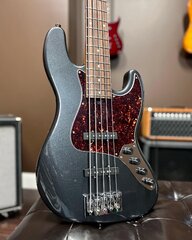
You’ll find that some people look down on those playing a $400 Squier, and others who think someone is dumb for spending a few thousand on a custom shop precision. I say, play what you want to play, and can afford. I’ve owned Squier, Fender, and custom shop P basses. This year, I decided to spend the money on a US Lakland P bass, and I’m convinced it was made by mythological magical elves, because of how well it plays and feels. For me, it was worth the price tag.

There is no exact thing that makes a Fender P bass great, it just depends on you. I’ve had about 20 P basses over the years, the one That ended up being my #1 for many years I actually fished out of a dumpster at a flea market about 15years ago. Its a MIM I replaced the Pots, bridge, strings, and added a D tuner. It’s just a great P bass, I have all of about $100.00 in parts in it.
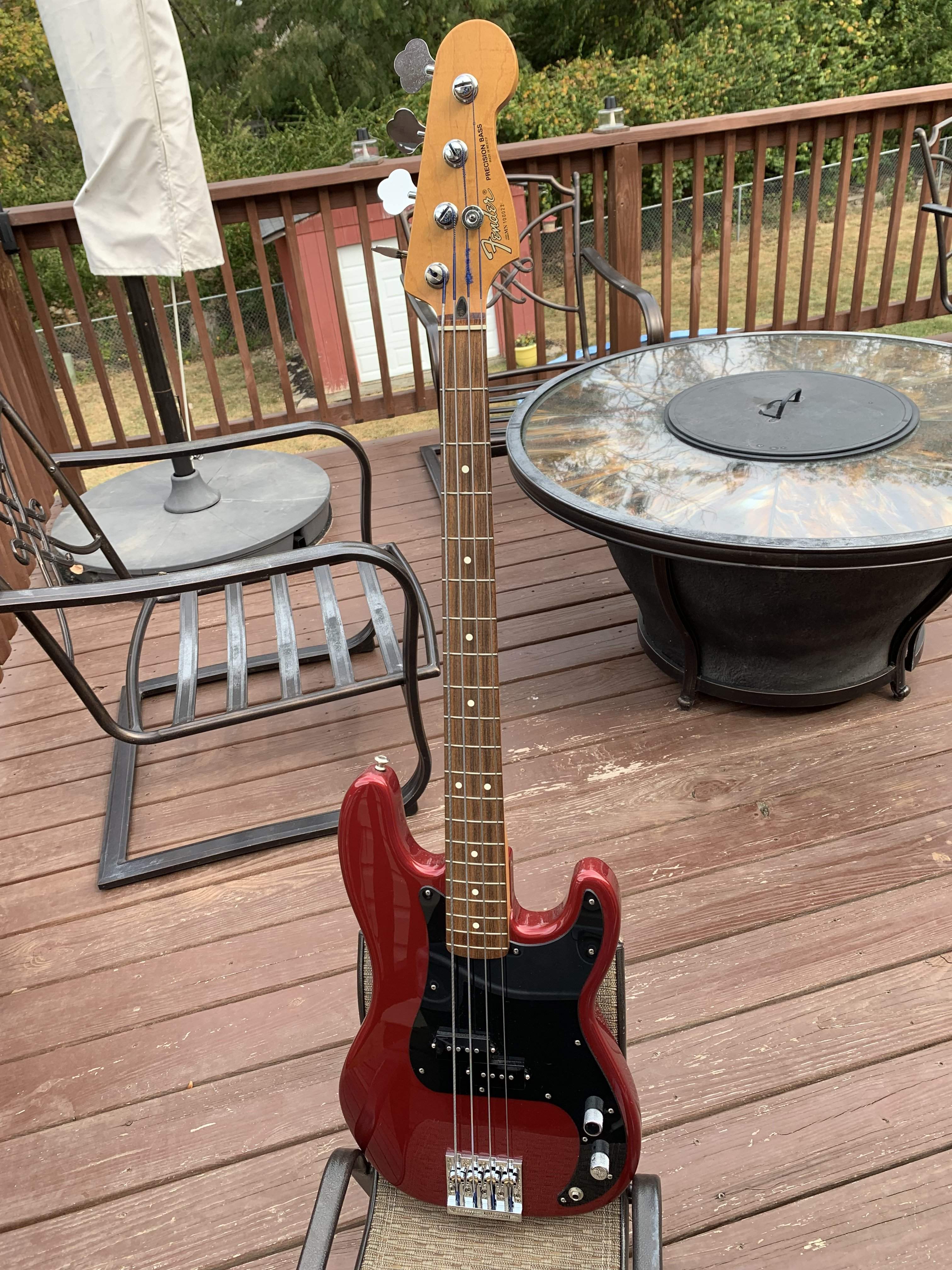
This is my current P bass that I play. This is the one that took the #1 P bass slot. Roasted and weighs 6.8lbs. It just comes down to what you are most comfortable with.
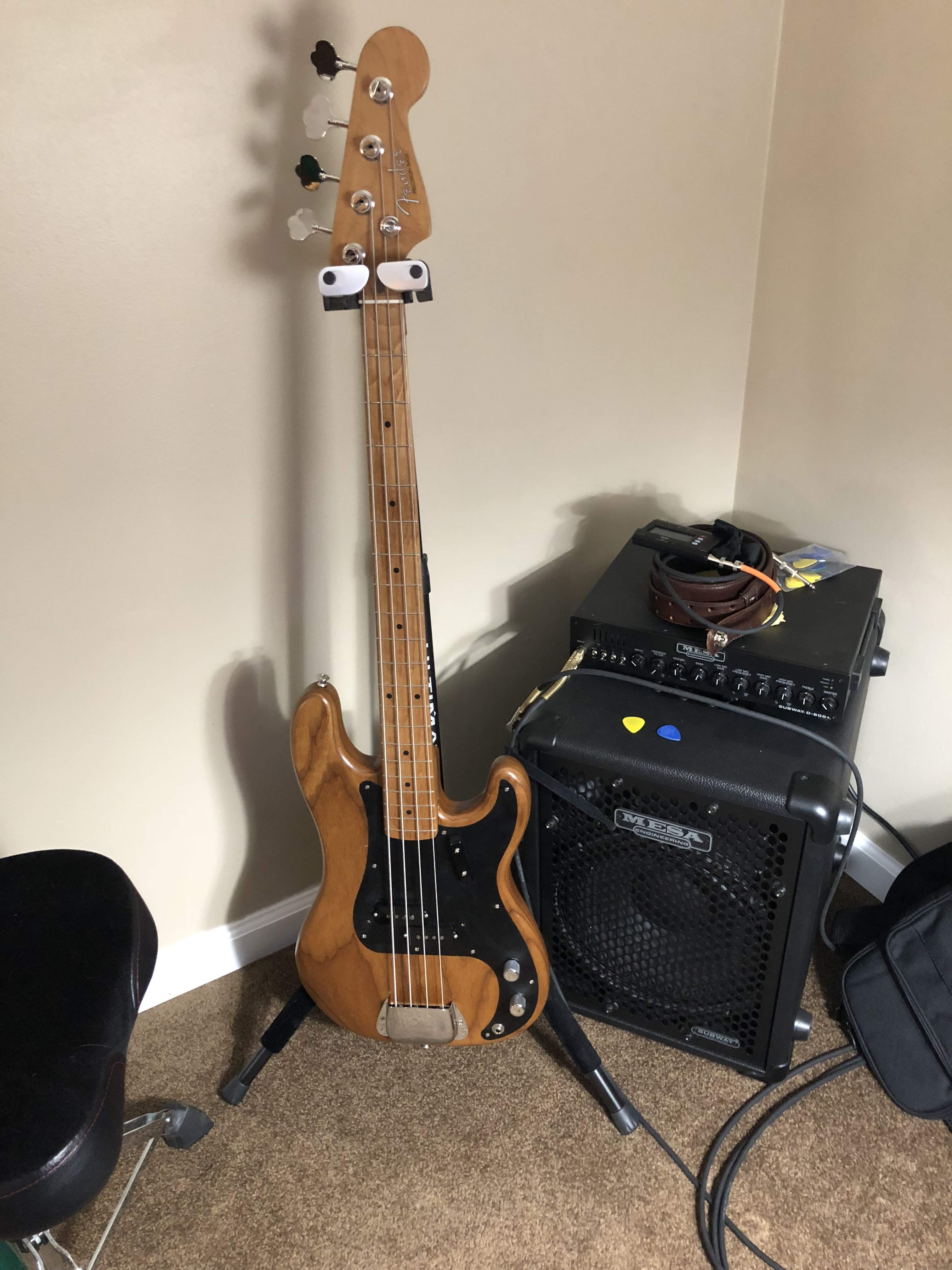

Very good advice! “If you don’t know what you want” is interchangeable with “if you don’t have a preference.”To me, I comes down to a combination of budget, the kind of instrument you want (specs), looks, how it feels in your hands (neck) and on the strap (weight & balance) and how it sounds.
Neck
If you don’t want the super beefy old school necks, the standard P bass neck has a 1.625" nut width, so look for your preference there. On the other hand, if you are wedded to a Jazz width neck, look for one with a 1.5" nut width. If you don’t know what nut width you prefer and want a standard P bass experience such as most P players have had for decades now (and you aren’t totally committed to old school beef), I’d get the 1.625" nut width.
Next comes neck profile - if you don’t know what profile (the carve of the back of the neck, the shape that fits in your hand) you want, "modern C" works well.
Graphite rods - cost more, add stability to the neck. I dunno, once you hear about them, you naturally want them. That said, my basses and guitars without graphite rods in their necks stay stable enough
Fretboard radius - 9.5" is the standard for Fender instruments since some point in the 70s, though Fender has come out with a number of models with the old school, rounder fretboard radius of 7.25". If you don’t know which you prefer, get the 9.5" radius.
Fretboard material - you pay more for rosewood these days due to restriction in trade of the species. If you like the look and/or sound of maple (somewhat brighter than rosewood, though some here will argue that), there ya go. If you prefer the look and/or sound of rosewood, you pay more. If you want the look of rosewood but don’t want to pay for it and can handle a sound somewhere in between maple and rosewood, you can get pao ferro. There are other options, either cheaper or more expensive, I believe, but those are the main ones.
Frets - you can either get regular (medium jumbo) frets or thin ‘vintage style" frets. Either are fine to me, but if you don’t know, medium jumbo is good.
Body
Ash and Alder are the traditional P bass woods, usually ash with a maple neck/fretboard and alder with a rosewood fretboard. IMO, Ash is a little more 50s, alder is a little warmer and more 60s (many people have differing opinions on this, including that it makes no difference). If wood isn’t important to you, other body woods are generally cheaper. One factor can be that particularly soft woods dent easier and can have problems with screw stripping - iirc, basswood is one such wood.
Color - for me, this is a biggie and will have a lot to do with which models I choose from. YMMV. Pickguard can be changed out, but the body paint is not simple to change.
Finish - if you know you’re into an old school, nitrocellulose lacquer finish, then Fender offers those but you have to pay more. Otherwise, most Fenders have come with a polyurethane or urethane finish for decades now. Fender prices polyurethane finishes higher than urethane iirc, but to be honest I don’t know the difference - they’re all "plastic" finishes (as opposed to nitro lacquer) to me. If you don’t know what you want, polyurethane finish is fine.
Weight - you can get lightweight parts, but you said you’re not into swapping stuff out, so go for one that is comfortable right out of the box, weight-wise. If you don’t know about weight, for me, the 8 to 9 lbs. range is good, with any little bit over 9 lbs. getting old fast. Other people can tolerate more, and I even know one guy what actually craves a "beefier" bass. If you have back problems, get something light.
Pickup(s) - the standard P bass experience is one split coil pickup. Alnico pickups generally have more detail than ceramic pickups, though ceramic pickups can be punchier. If you don’t know your preference, get alnico. And then it comes down to the sound you like - more expensive isn’t always better (though it often is). Try sound samples online if you can’t listen for yourself. You can always change the pickup later...
Electronics - the standard P bass experience is passive electronics, one volume, one tone. If you have other needs, pursue accordingly
Hardware: bridge, tuners — generally, anything on a Fender is going to be fine for me here, YMMV.
Basically, I typically look at price range and color to see something I might possibly be interested in, then I get into the specs and see if they suit me. Then I get the instrument in my hands and see if the neck and weight suit me and if I like the sound, and finally if there’s some special something that makes me want to pull the trigger on that particular bass, I may actually buy it! If ordering online, I just go by looks, price and specs and take my chances.
I probably wouldn’t go all out on a first P bass - you might get a more moderately priced one first, find out what you like and don’t like, and then pursue your "Dream Precision" later if needed. The more expensive ones do have a subtly but undeniable nicer look and feel to them, but it doesn’t mean that the particular specs involved will actually suit you
Good luck!

There are some great Basses out there, and there are a LOT of dogs.
Here’s how I think of it... generally when you pay more, you significantly increase your chance of getting a really good bass.
For example...
100 out of 100 CS basses are great
1 out of 1000 squires is great.
When you pay more you are paying mostly for the human who is selecting the best woods and making sure the fit and finish are right.
Generally the more you pay, the more individual attention that bass has gotten by a person, and the more you pay, the better that person is at their job. Think master luthier with 40 years experience vs guy who is just starting out in the factory. One guy costs more - for a reason.
The other big thing nobody seems to mention is the wood. We can argue about if it matters for sound, but think more about things like how straight the grain is in the neck wood. A human sorts the best stuff, and the best stuff gets used on Basses that cost more.
Body wood too - which you might not think about because it’s painted and you can’t see it. On a $4K CS bass your body has been hand selected, and is probably one piece of solid wood. On a $400 squire, the body is made from three, four or five pieces of wood glued together.
To me, there is a difference, and price can be a good indicator of quality- not everything, but a good place to start. I’m sure there are those unicorns out there that cost nothing and are great instruments, but what are your odds of finding a unicorn.
You just have to decide what it’s worth to you. 10 years ago I bought a used CS Jazz Bass - it wasn’t that much, but it was a lot for me at the time. I’ve never regretted it for one second, and I feel like it is very very rare that I play another bass that can come close. It just feels right and sounds right. The way it vibrates when playing unplugged - you can just feel the quality in the sound vibration.
Here’s how I think of it... generally when you pay more, you significantly increase your chance of getting a really good bass.
For example...
100 out of 100 CS basses are great
1 out of 1000 squires is great.
When you pay more you are paying mostly for the human who is selecting the best woods and making sure the fit and finish are right.
Generally the more you pay, the more individual attention that bass has gotten by a person, and the more you pay, the better that person is at their job. Think master luthier with 40 years experience vs guy who is just starting out in the factory. One guy costs more - for a reason.
The other big thing nobody seems to mention is the wood. We can argue about if it matters for sound, but think more about things like how straight the grain is in the neck wood. A human sorts the best stuff, and the best stuff gets used on Basses that cost more.
Body wood too - which you might not think about because it’s painted and you can’t see it. On a $4K CS bass your body has been hand selected, and is probably one piece of solid wood. On a $400 squire, the body is made from three, four or five pieces of wood glued together.
To me, there is a difference, and price can be a good indicator of quality- not everything, but a good place to start. I’m sure there are those unicorns out there that cost nothing and are great instruments, but what are your odds of finding a unicorn.
You just have to decide what it’s worth to you. 10 years ago I bought a used CS Jazz Bass - it wasn’t that much, but it was a lot for me at the time. I’ve never regretted it for one second, and I feel like it is very very rare that I play another bass that can come close. It just feels right and sounds right. The way it vibrates when playing unplugged - you can just feel the quality in the sound vibration.
Last edited:

Based on OP comments this is what came to mind for me as well. The Lakland Skyline Duck Dunn is no longer in production, but they pop up used under $1,000 USD. Essentially a P bass body with jazz neck profile. In my experience the Skyline series are at least on par with the Entry level US Fender models. Really nice instruments. Current production is the 44-64 custom which has a J pickup added. I have one of those and swapped out for the EMG GZR pickups and love them, but the stock lakland pickups are fine (especially the old Duck Dunns which had Fralin pickups). A shame that it is so difficult for you to get your hand on more basses to try...
Here is a used Duck that sold earlier this year: SOLD - 2008 Lakland Skyline Duck Dunn
CHEERS!
Here is a used Duck that sold earlier this year: SOLD - 2008 Lakland Skyline Duck Dunn
CHEERS!
When I did get back into playing I gravitated towards J basses primarily due to the neck profile. No matter what else you can say about a J bass that neck profile just works. The body shape? Not so much. Even after years of rocking a J bass I realized that I always found myself trying to make it sound like a P until I remembered that Duck Dunn rocked a P with a J neck for many of his later years. Violá! I found the secret - put a J neck on a P body. My last bit of insight would be to install an EMG-GZP pickup in it not just for the sound but also the shielding. I went thru several other pickups until I landed on this one and this one is the ONLY one that doesn't howl like a banshee under stage lights.

MIMs are good. If you want to pay an extra $1,000.00 for a decal that says "Made in America", go for it. I've heard that there are a lot of parts going back and forth between Ensenada and Corona. I've owned and played both. Not much difference.

Except for the Tribute model vs USA model LB-100?Buy one of these and you won't have to worry about the countless and sometimes confusing P bass names.
It will get the job done and then some!


What's REALLY the difference between all the different P-Bass models?

fender expects the 'mythology' to work...and it does! OP: you want a new p-bass for a reason(s) --- why? why not a J, or a PJ, or another manufacturer altogether? why does it have to be a P? thanks.
In reality, NOT MUCH.
fender expects the 'mythology' to work...and it does! OP: you want a new p-bass for a reason(s) --- why? why not a J, or a PJ, or another manufacturer altogether? why does it have to be a P? thanks.
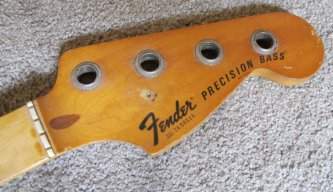
The REAL difference....lol, some are made in Mexico by Mexicans.....others ..made is USA...by Mexicans !
...in fact, as I recall, years ago I had a MIM Jazz Bass, and decided I wanted "the real thing." Went to Guitar Center, bought a MIA Jazz. Kept it a couple of days, played it A/B with the MIM Jazz with my Acoustic 360 amp. Took it back. I actually preferred the MIM. Go figure.

Is there $2200 worth of difference? Yes. Is it worth it? That’s up to the individual.

After a good set up, quality strings and pickup, the very most significant difference is price.
Holding the string type constant, 99% of the P bass tonal characteristics come from the split P pickup and its location.


