Enjoy the benefits of a premium membership!
Upgrade Account
-
TalkBass has been independent since 1998. Add your voice.
Create a free account to reply to discussions, view embedded media, and browse with fewer display ads.
Join free Log in
Want zero display ads or expanded classifieds tools? Compare plans.
You are using an out of date browser. It may not display this or other websites correctly.
You should upgrade or use an alternative browser.
You should upgrade or use an alternative browser.
More options
Who Replied?
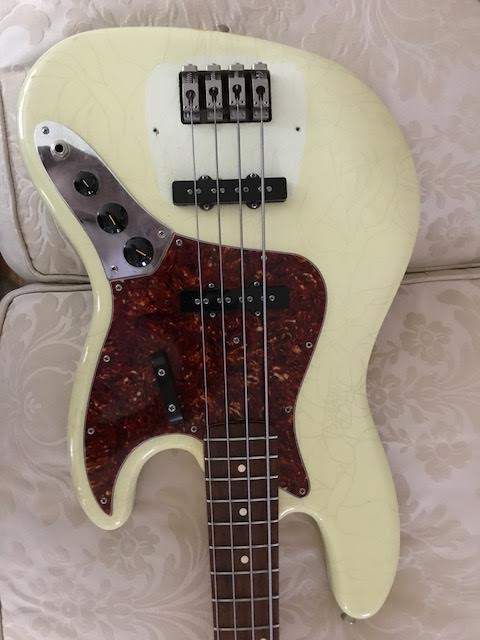
The pearl J-Bass is gorgeous! Love it.I still play my 12+ lbs basses (after 4 decades) but 8-9 lbs ones are perfect for me! That's why I bought my EBMM Stingray and my american standard jazz bass (both are 9lbs). However the '08 blizzard pearl am. std. jb sounds different than my 12lbs '78 ash jazz bass (pic above ^) but I like them both.
Here they are:
View attachment 1586980
But unfortunately my 5 and 6 string basses are heavy! For example my Pedulla MVP6 weighs 13 pounds!
View attachment 1586983


I look at it this way. I'm not perfect. When I'm writing fast, things dont always come out the way they should. 99% of the people dont care and can read my posts just the way they are, But you will always have that 1% that has nothing better to do but find fault in someone. its ok. I know Iam not great at spelling or grammer but i get my point across and the "good" people understand and go with it.It just drives some of us a little crazy to see a simple mistake of using to instead of the correct word which would be too. As the mistake was in the thread title, it sort of stuck out in a glaring way. I think the grammar police might turn you over to the spelling police.
Last edited:

- Aug 21, 2003
- 11,619
- 18,701
- Disclosures
- A-Designs Mike Lull GK Tsunami Cables GHS Strings RMI Basswitch Nordstrand Pickups Darkglass

leather strap on
You specific gravity idea is off a bit. When you first make the wort either by using extracts or by mashing the grain and then boiling the concoction adding hops at various stages, you will measure the specific gravity after the boil. Water has a specific gravity or 0 (actual read out is 1.000). Most worts I have made had specific gravity measurements between a low of 4.2 (1.042) and a high of around 6.2 (1.062). The higher the specific gravity, the higher the possible ABV (alcohol by volume). What that measurement really does is tell you the specific gravity of the fermentable sugars in your wort. After you add yeast and ferment it for a couple of weeks, the specific gravity should be down around 1.5 (1.015) or so. That's because most of those fermentable sugars have been fermented into alcohol, which is much lighter.
So, yeah, most commercial beers start out with a specific gravity of 4.0 to 5.5 or so, but they never end up that high. Finished specific gravity measurement is going to be down around 1.2 to 1.8 (1.012 to 1.018) and virtually never about 2 (1.020) unless perhaps you're talking about a Barley Wine. By the way, the real reason you rarely see 6% ABV or higher beer in the US is that the Feds double the tax on the brewer for anything 6% ABV or higher. Often, you highest ABV beer will have the lowest specific gravity because you have been so successful in fermenting everything into alcohol.
Even with all those specific gravity ratings, it's going to add almost nothing to the weight. Even if you end up with a specific gravity of 2 (1.020), your 16-oz of water will only increase by 0.32-oz. So less than a third of an ounce.
Even with the larger sizes those Scots are lifting some heavy beers...perhaps they are drinking a "Wee-Heavy Scotch Ale."
You sure you Scotsmen aren't drinking bottles, instead? Most commercial beer has a specific gravity slightly heavier than water (max 5% heavier). An ounce of water weighs one ounce. Therefore each can should weigh under a pound as the aluminum weight is negligible.
You specific gravity idea is off a bit. When you first make the wort either by using extracts or by mashing the grain and then boiling the concoction adding hops at various stages, you will measure the specific gravity after the boil. Water has a specific gravity or 0 (actual read out is 1.000). Most worts I have made had specific gravity measurements between a low of 4.2 (1.042) and a high of around 6.2 (1.062). The higher the specific gravity, the higher the possible ABV (alcohol by volume). What that measurement really does is tell you the specific gravity of the fermentable sugars in your wort. After you add yeast and ferment it for a couple of weeks, the specific gravity should be down around 1.5 (1.015) or so. That's because most of those fermentable sugars have been fermented into alcohol, which is much lighter.
So, yeah, most commercial beers start out with a specific gravity of 4.0 to 5.5 or so, but they never end up that high. Finished specific gravity measurement is going to be down around 1.2 to 1.8 (1.012 to 1.018) and virtually never about 2 (1.020) unless perhaps you're talking about a Barley Wine. By the way, the real reason you rarely see 6% ABV or higher beer in the US is that the Feds double the tax on the brewer for anything 6% ABV or higher. Often, you highest ABV beer will have the lowest specific gravity because you have been so successful in fermenting everything into alcohol.
Even with all those specific gravity ratings, it's going to add almost nothing to the weight. Even if you end up with a specific gravity of 2 (1.020), your 16-oz of water will only increase by 0.32-oz. So less than a third of an ounce.
Even with the larger sizes those Scots are lifting some heavy beers...perhaps they are drinking a "Wee-Heavy Scotch Ale."

Grammar and spelling only really matter in the classroom and in the professional world. More power to you.I look at it this way. I'm not perfect. When I'm writing fast things dont always come out the way they should. 99% of the people dont care and can read my posts just the way they are, But you will always have that 1% that has nothing better to do but find fault in someone. its ok. I know Iam not great at spelling or grammer but i get my point across and the "good" people understand and go with it.

I can't tolerate anything over 9.352794 lbs.
Although I too like lighter basses (my 5-string is about 1½-lbs lighter than my Jazz), I can't call the "heavier basses sound better" statement total bull. I've played lots of basses that are lighter and don't sound nearly as good. I've also played heavier basses that don't sound as good. So I'd say weight is part of the formula but probably more related to the type of wood used to construct it than to just the amount of total weight.lighter the better. The statement "heavier basses sound better" is total BS IME.
I think that it's a combination of things that some basses, even of the same design, sound better than others. My Jazz is one of those. It's not the heaviest bass in the world, but it's no lightweight and it sounds better than any other Jazz I've played (totally subjective of course).

leather strap on
You specific gravity idea is off a bit. When you first make the wort either by using extracts or by mashing the grain and then boiling the concoction adding hops at various stages, you will measure the specific gravity after the boil. Water has a specific gravity or 0 (actual read out is 1.000). Most worts I have made had specific gravity measurements between a low of 4.2 (1.042) and a high of around 6.2 (1.062). The higher the specific gravity, the higher the possible ABV (alcohol by volume). What that measurement really does is tell you the specific gravity of the fermentable sugars in your wort. After you add yeast and ferment it for a couple of weeks, the specific gravity should be down around 1.5 (1.015) or so. That's because most of those fermentable sugars have been fermented into alcohol, which is much lighter.
So, yeah, most commercial beers start out with a specific gravity of 4.0 to 5.5 or so, but they never end up that high. Finished specific gravity measurement is going to be down around 1.2 to 1.8 (1.012 to 1.018) and virtually never about 2 (1.020) unless perhaps you're talking about a Barley Wine. By the way, the real reason you rarely see 6% ABV or higher beer in the US is that the Feds double the tax on the brewer for anything 6% ABV or higher. Often, you highest ABV beer will have the lowest specific gravity because you have been so successful in fermenting everything into alcohol.
Even with all those specific gravity ratings, it's going to add almost nothing to the weight. Even if you end up with a specific gravity of 2 (1.020), your 16-oz of water will only increase by 0.32-oz. So less than a third of an ounce.
Even with the larger sizes those Scots are lifting some heavy beers...perhaps they are drinking a "Wee-Heavy Scotch Ale."
I was dumbing it down a little. The point was that most beers finish with a specific gravity negligibly higher than water. Most of us home brewers expend considerable effort getting that gravity as low as possible. I for one can't stand under attenuated beers.

I strongly prefer 9 or less but make an exception for my Ric 4003 at 9.5.
9 lbs. does seem to be where I draw the line between heavy & light.
8 lbs. is just right, but it would be nice to find something lighter.
I start to notice if it goes over 9 lbs, and my RIC 4004 was 9-1/2
When I sold it, that was my main reason, that and the neck was pretty thick. The one I had was popular for being converted to 5-string, because of the neck.
Ironically, when I found my BTB300, which I still love, I found out later it's 9-3/4 lbs.

but at least my SRX (with the same pickups as the BTB) is only 8 lbs.
lately I've been playing my S series Ibanez guitar & it's less than 7 lbs.



Although I too like lighter basses (my 5-string is about 1½-lbs lighter than my Jazz), I can't call the "heavier basses sound better" statement total bull. I've played lots of basses that are lighter and don't sound nearly as good. I've also played heavier basses that don't sound as good. So I'd say weight is part of the formula but probably more related to the type of wood used to construct it than to just the amount of total weight.
I think that it's a combination of things that some basses, even of the same design, sound better than others. My Jazz is one of those. It's not the heaviest bass in the world, but it's no lightweight and it sounds better than any other Jazz I've played (totally subjective of course).
I see. The reality is that you never know if a bass sounds better (whatever that means) because of it's weight or not. There are too many variables that makes a bass sound a certain way. I've had heavy basses some sounded good some not so.. same with the lighter basses I've had
If the body is too light,the neck will dive.
True. But balance is one thing, And tone is another.

Too heavy for me is 10 lbs and over.
My preferred weight would be a well balanced 8 lbs. My current #1 is a well balanced 9.2 lbs.
My preferred weight would be a well balanced 8 lbs. My current #1 is a well balanced 9.2 lbs.

To heavy or not to heavy, this is my 12lbs '78 jazz bass And I'm not a wimp :
View attachment 1586965
Yes, my 78 Pbass in exact color and wood option also weighs a ton. But I don't mind really. Extensive gigging built my muscles up to a certain point where I simply don't care about it.
I do like to complain about cabs weight though.

I've never weighed a bass.
(Mind you, I've never caught one.)
(Mind you, I've never caught one.)

I just turned 55 and I'm with you on this. I had a custom built 6 done to my design and while it sounds amazing it's a beast at 13lb.Just food for thought for those who don't have nagging structural damage/arthritis/pinched nerves and the like. Historically, I am usually in very good shape and, as such, I would wear my 11+ lb Stingray 5 HH for 8-12 hrs per day, day after day without getting tired at all, sitting on a drum throne with no back support and periodically standing. Over a recent period of 6 months I didn't really work out and, damn, could i tell the difference when I started upping the hours on bass again, even using only a single H, 1 lb lighter. I'm 49 years old, by the way.
I don't care what weight bass you play, of course, but if you aren't suffering from some bone/disk/nerve malady and the weight of a heavier bass bothers you then you might benefit your whole life from doing some weight lifting. Be well.
I hardly played it live for a year and a half until I finally decided to do something about it. I started lifting weights focusing on core strength and spending a half hour a day on an eliptical machine as a result I've dropped 15 lb so far and gained a lot shoulder and upper body strength. This fall I have a whole series of gigs and I'm determined to enjoy them with my not so new bass.

I play a Jazz CS with a retrofitted 2TEK bridge, it weights a ton but also is a tone monster. I've been reading these comments and decided to check the weight: 11.5 Lbs, ouch. My back hurts after a few sets, but is worth the pain.