

Enjoy the benefits of a premium membership!
Upgrade Account
-
TalkBass has been independent since 1998. Add your voice.
Create a free account to reply to discussions, view embedded media, and browse with fewer display ads.
Join free Log in
Want zero display ads or expanded classifieds tools? Compare plans.
You are using an out of date browser. It may not display this or other websites correctly.
You should upgrade or use an alternative browser.
You should upgrade or use an alternative browser.
More options
Who Replied?


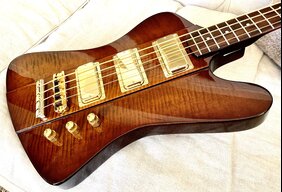
Silly players, basses dont have any accoustic value
At least no more than a hunk of scrap lumber! Oh and by the way, I have some snake oil for sale. I use the snake oil on all my basses it makes the cheap ones sound just like the expensive ones...... or was it the expensive ones that now sound like the cheap ones?
So let's see, we have some cool pics of Wicks and Rics and a couple of classy looking P's. Any other pics of basses that Wood made an impact on?
I have an acoustic/electric bass made entirely of graphite. It was custom made for and owned by John Entwistle by one of the head luthiers at Rainsong. John passed it on to Jimmy Haslip and I bought it from Jimmy a few years ago. It sounds great, tons of projection, very crisp, clear and punchy with lots of sustain. The looks are killer also. It sounds nothing like my mahogany/spruce Breedlove acoustic/electric bass. Amped or not amped the two are night and day. Here's a pic of the all graphite Rainsong:
and one of John Entwistle playing it back in 1997:
yep, Wood Matters .....and so does the lack of it!
Ask Stradivarius, Guarnari or Amati if wood matters.
FatAndy - is that you on the youtube link? If so, you're not lookin too fat in that vid. What could be better than Bach on a Fodera. And I think that's the first time I've ever seen a bass player use a cappo, cool - I gotta try that sometime. Nice playing! Never had the chance to play a Fodera but always loved the woodworking, craftsman ship and sound of those basses, first class all the way!
I'm sure Victor Wooten plays them for a reason, and I doubt it's because they sound like scrap lumber.

Pure Rickengoodness!!Ya onion and garlic and parsley and salt all taste the same ... NOT!
Wood matters with Rickenbackers.
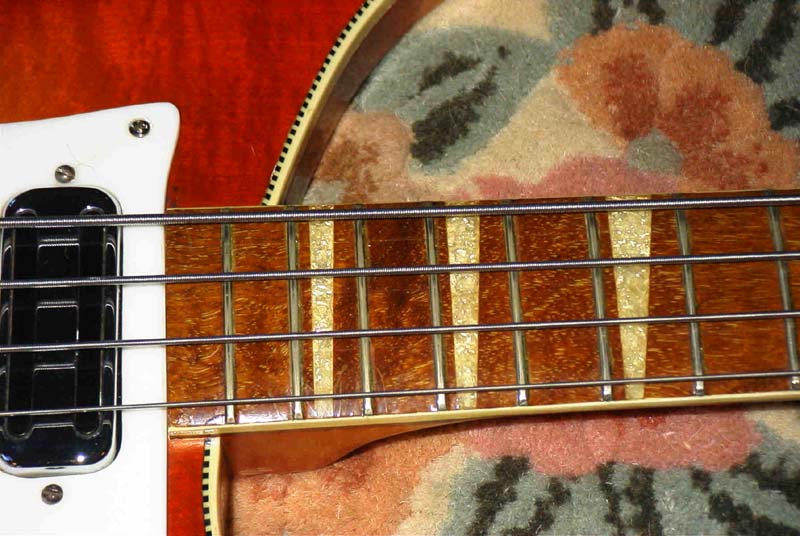
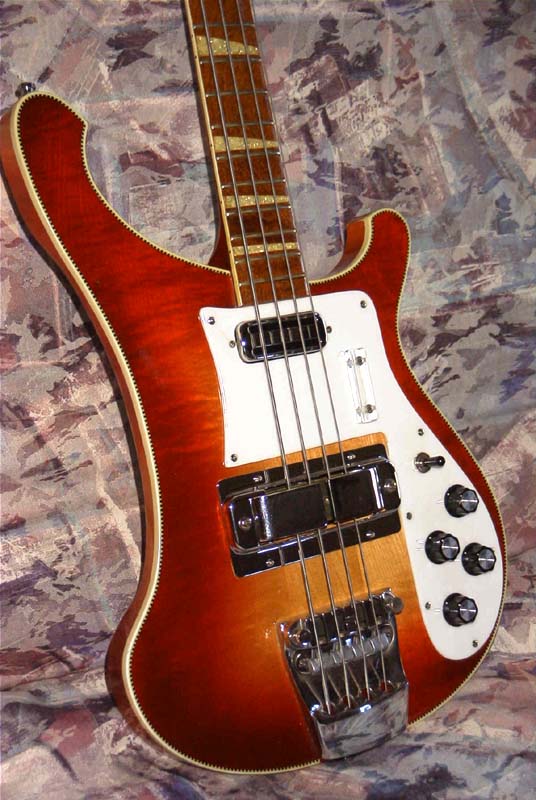
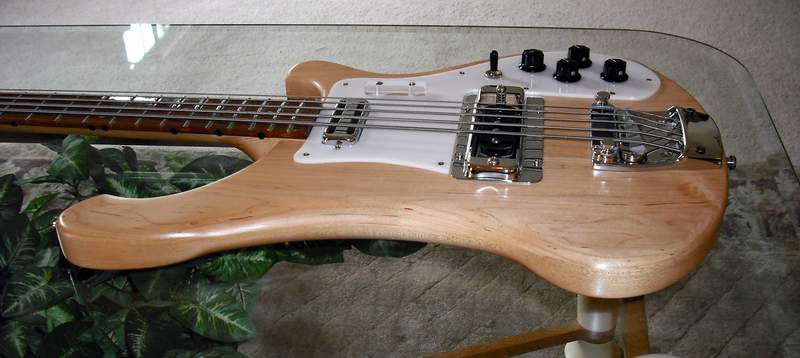
Wood has never mattered so much!
Here's a ebay gem you don't see often (nope, it's not mine and I'm not plugging it for anyone). Interesting mix of wood and metal. I wonder if these things play well?
1977 Kramer 450B Aluminum neck Bass figured Koa OHSC - eBay (item 150573064325 end time Apr-04-11 21:54:22 PDT)
1977 Kramer 450B Aluminum neck Bass figured Koa OHSC - eBay (item 150573064325 end time Apr-04-11 21:54:22 PDT)
As an eBay Associate, TalkBass may earn a commission from qualifying purchases.

- Feb 16, 2008
- 21,240
- 23,638
- Disclosures
- John K Custom Basses
Here's a ebay gem you don't see often (nope, it's not mine and I'm not plugging it for anyone). Interesting mix of wood and metal. I wonder if these things play well?
1977 Kramer 450B Aluminum neck Bass figured Koa OHSC - eBay (item 150573064325 end time Apr-04-11 21:54:22 PDT)
i think those are pretty cool basses (and very unique), but IMO, they're asking at least twice of what they normally go for.
As an eBay Associate, TalkBass may earn a commission from qualifying purchases.

Of course it matters! I think this place may have reached a new low of "meat with eyes" if we need to have this discussion.......
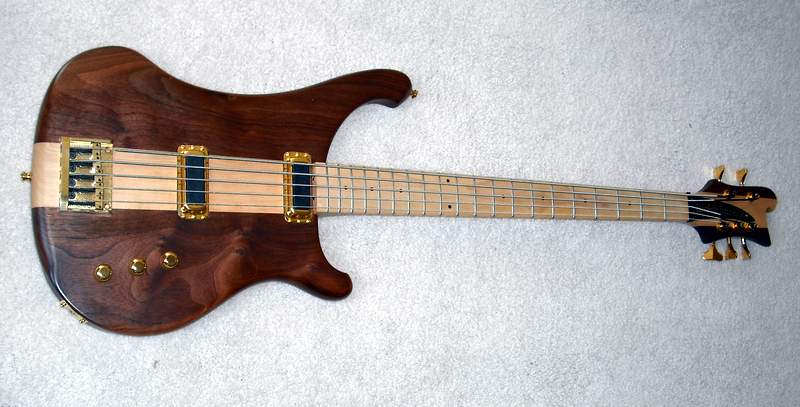
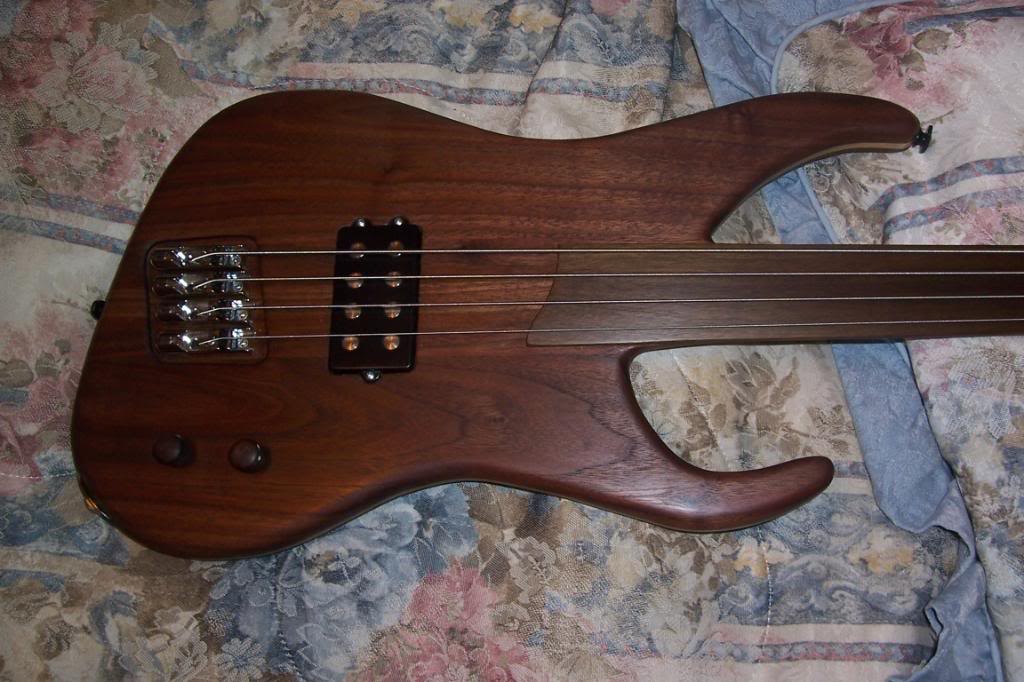
Wood def matters. Love the feel of a nicely oiled walnut neck.
Or a flame maple neck on my latest in process.
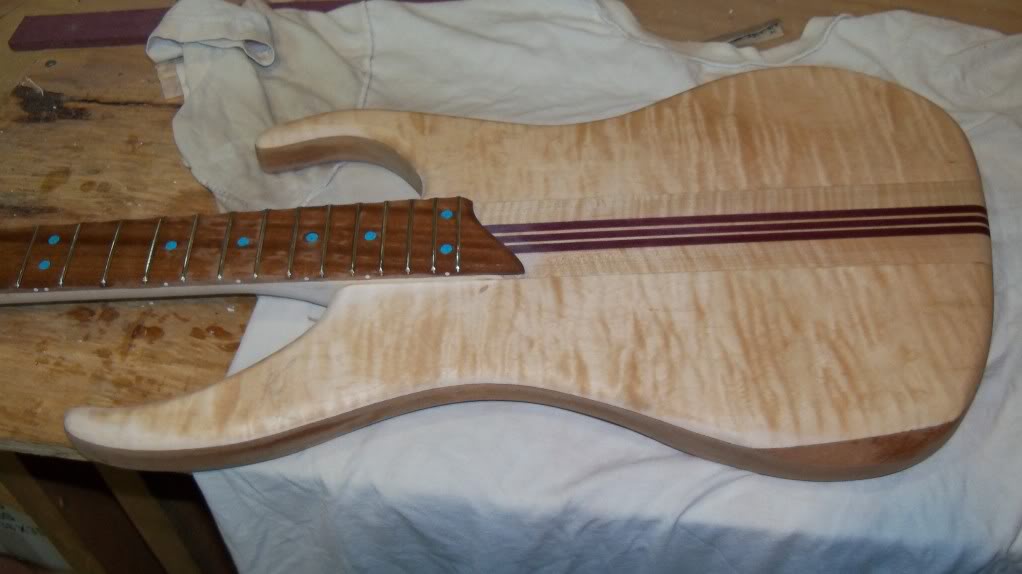
Or a flame maple neck on my latest in process.

Of course it matters! I think this place may have reached a new low of "meat with eyes" if we need to have this discussion.......
Brilliant. Resurrect a 5-month old thread by insulting people who disagree with you.
Lame.

The title of the thread is "Wood Matters"...it isn't qualified beyond that. Wood creates a heated discussion every time its brought up, and the discussion never dies. I think that's a pretty good indication that it "matters", even (or perhaps especially) to those who discount certain particulars of its effects. 

I've refined my take on this topic through experimentation over the last couple of years:
The vibrations of the strings is modified by interactions with the wood and therefore the wood is responsible for the timbre of the instrument, all else is simply further modification of that timbre.
The wood not only matters, it's crucial to the timbre of the instrument.
The vibrations of the strings is modified by interactions with the wood and therefore the wood is responsible for the timbre of the instrument, all else is simply further modification of that timbre.
The wood not only matters, it's crucial to the timbre of the instrument.

I've refined my take on this topic through experimentation over the last couple of years:
The vibrations of the strings is modified by interactions with the wood and therefore the wood is responsible for the timbre of the instrument, all else is simply further modification of that timbre.
The wood not only matters, it's crucial to the timbre of the instrument.
+1000+

I've refined my take on this topic through experimentation over the last couple of years:
The vibrations of the strings is modified by interactions with the wood and therefore the wood is responsible for the timbre of the instrument, all else is simply further modification of that timbre.
The wood not only matters, it's crucial to the timbre of the instrument.
Of course. Indisputable.

I'm in. I think in general that pickups and placement are the primary determining factor in an electric instrument but I think it's undeniable that woods play a roll. I've played Zon basses with Mahogany bodies vs. Ash and notice a difference. I've owned ash and alder P/J basses... the difference is much more subtle and maybe more dependent on the density of the specific piece of wood but there was a difference.
I think it's a slight but discernible difference.
I think it's a slight but discernible difference.
I'm in - I think the density and the flexibility of a piece of wood has to effect note die-off, sustain and just plain tone. As far as the infamous pine vs. alder test - I've made a few guitars and almost every time i get an alder blank I think "wow, this feels just like a chunk of good-better pine." Density is very similar. Some woods have better physical qualities for long tern use than pine - pine cracks easy, holds screws poorly. It's a cheap, common, soft wood. It might make a great sounding electric bass but it might not be a quality instrument from a feel or maintenance standpoint. And I have to wonder about neck dive if the body gets too light.
Brilliant. Resurrect a 5-month old thread by insulting people who disagree with you.
Lame.
I aim to please!


