
90 minutes, + whatever random time the ref decides to add. But who's counting
I stand corrected. Actually, right now I am sitting down...
So, I sit corrected. Or something like that.


TalkBass has been independent since 1998. Add your voice.
Create a free account to reply to discussions, view embedded media, and browse with fewer display ads.
Join free Log in
Want zero display ads or expanded classifieds tools? Compare plans.
90 minutes, + whatever random time the ref decides to add. But who's counting

In the home stereo world we called it Scientific Audio Explosion.I thought "SAE" meant "Stupid And Expendable"...


Ever seen Rugby or Aussie rules football? No padding and helmets, Yank wusses!Football is a real man's game that leaves men battered and crippled for life. Soccer is what suburbanites take their not-particularly-athletic kids to play on the weekend. See the difference?


Stand there while a 220lb man in plastic armor hits you running at top speed then talk about wussies.Ever seen Rugby or Aussie rules football? No padding and helmets, Yank wusses!
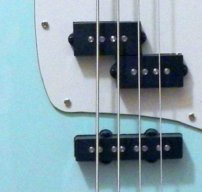
A bit like rugby, only they do it without the plastic armour.Stand there while a 220lb man in plastic armor hits you running at top speed then talk about wussies.

Gosh 10 whole pages ago... but actually here's an answer to the OPs' actual question... they did. Aria SB Series basses back in the early 80s listed their scale lengths in mm rather than inches. I remember all the promo material I had when I got my SB700 waaaaaaay back in 1982 had the scale length listed as 860mm...The recent threads about scales got me thinking that I'd never seen a bass built on anything but Imperial units for the scale length. Even the top notch European builders spec their scales in even inches with an odd number metric equivalent listed. It's remarkable that this is so engrained in the industry that builders who use metric for everything else in their lives would design basses with inches.
I'm sure someone will bring up some metric European basses to prove me wrong and that's OK.


Evidently, it wasn't as important as its advocates claimed. Take most of what is taught in "schools" with a grain of salt?


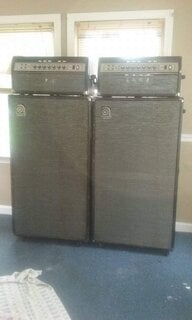
It's because the musical instrument business is international. The USA is the biggest single market and if your product isn't measured in inches most Americans will have no idea what size it is but will have the suspicion that your product is somehow a threat to their way of life and the purity of their precious bodily fluids.
I've read several papers that suggested that "Time doesn't exist. It is something humans do to codify their existence." If you're up for a really deep rabbit hole, google it. Not recommended for those with hangovers.
My string spacing is 3/4", as Leo intended .. Where can I get one of them 19mm bridges?
The Illusion of Time: What's Real?I tried. I think I heard something break. Does anybody else smell feathers burning?
I've read several papers that suggested that "Time doesn't exist. It is something humans do to codify their existence." If you're up for a really deep rabbit hole, google it. Not recommended for those with hangovers.