
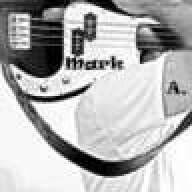
 Finally got in touch with the new gear which is certainly great in touch and sound. Had to fix the E string that was unproperly cutted and thus impossible to tune, no other issues so far. Does anybody know what is the anchor supposed to do with the carbon neck?
Enjoy the benefits of a premium membership!
Upgrade Account
-
TalkBass has been independent since 1998. Add your voice.
Create a free account to reply to discussions, view embedded media, and browse with fewer display ads.
Join free Log in
Want zero display ads or expanded classifieds tools? Compare plans.
You are using an out of date browser. It may not display this or other websites correctly.
You should upgrade or use an alternative browser.
You should upgrade or use an alternative browser.
Zon basses - is everything OK ?
- Thread starter Rumblefisher
- Start date
More options
Who Replied?

...It took ~5 months from when they shipped it out to when it arrived?? Glad you got your bass! Sorry, don't understand your question about the "anchor" and carbon neck. Could you clarify?View attachment 4938762 Finally got in touch with the new gear which is certainly great in touch and sound. Had to fix the E string that was unproperly cutted and thus impossible to tune, no other issues so far. Does anybody know what is the anchor supposed to do with the carbon neck?
Yes, things appear quite complex nowadays). We have the anchor tuner which does not affect the neck curve...It took ~5 months from when they shipped it out to when it arrived?? Glad you got your bass! Sorry, don't understand your question about the "anchor" and carbon neck. Could you clarify?
 , at least within the reasonable force range, qurious about the meaning behind that...
Glad to see that Joe is shipping basses! Congrats and enjoy

That anchor is the base of the truss rod, which on Zon basses rarely needs adjustment due to the stability inherent in the design. I would adjust a Zon truss rod *much more gradually* than I would with a traditional wood neck, on the order of "1/4 turn, then wait a day to see."Yes, things appear quite complex nowadays). We have the anchor tuner which does not affect the neck curveView attachment 4938789 , at least within the reasonable force range, qurious about the meaning behind that...
Does that help? Happy to help you with clarification, or with any other questions.

Last edited:
"1/4 turn, then wait a day to see"I would rather expect that behavior from certain kinds of wood, not carbon. The anchor could be introduced as the fake for other manufacturers to prevent them from easy copying). Thanx for the comments anyway. The E seems to be slowly slipping away and thus may require replacement at some point.
Beautiful Vinny!View attachment 4938762 Finally got in touch with the new gear which is certainly great in touch and sound. Had to fix the E string that was unproperly cutted and thus impossible to tune, no other issues so far. Does anybody know what is the anchor supposed to do with the carbon neck?
I don’t have any insight on the neck adjustment issue, but that looks like a fabulous bass

I would rather expect that behavior from certain kinds of wood, not carbon. The anchor could be introduced as the fake for other manufacturers to prevent them from easy copying).
As 31Hz said, that spokewheel adjuster really is for the truss rod.
I can understand your confusion. Back when composite necks came out, the common thought (and promo) was, "no truss rod necessary because the neck is so stable!" But here's the problem: not everyone wants the same neck relief (curvature). Some play with light touch on super low action and want a flatter neck. Some play hard on high action and want more curvature.
So, player preference is the main reason why truss rods have become common on composite necks. That said, decades ago I had a Music Man Cutlass bass, which was a Stingray with "Licensed by Modulus" composite neck. The neck eventually did become more bowed, requiring higher action, and there was no easy solution because it did not have a truss rod.
here's the problem: not everyone wants the same neck relief (curvature). Some play with light touch on super low action and want a flatter neck. Some play hard on high action and want more curvature.
That was actually my target to get some more of the curve. Would be interesting to hear some real experience with Zon to achieve that.
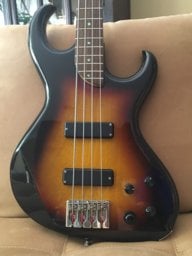
Yes, things appear quite complex nowadays). We have the anchor tuner which does not affect the neck curveView attachment 4938789 , at least within the reasonable force range, qurious about the meaning behind that...
That anchor is the base of the truss rod, which on Zon basses rarely needs adjustment due to the stability inherent in the design. I would adjust a Zon truss rod *much more gradually* than I would with a traditional wood neck, on the order of "1/4 turn, then wait a day to see."
Ideally, if I'm being patient (and the neck's not obviously way out-of-whack), that's the approach I take with wooden necks, too ("1/4 turn, then wait and see").
Speaking of which, something I've been told by more than one person who should know is that, "the truss rod is for holding the adjustment, not moving the neck against tension." I.e. if you're loosening the truss rod (gradually) with the strings up to pitch, that's fine, but you shouldn't make it do the work of pulling the neck into adjustment (tightening) against the force of the strings -- you can slack the strings or gently and carefully give the truss rod a hand moving the neck (with your hand) or both.
If this is true for wooden necks, I imagine that it would be equally true for carbon/composite necks (moreso, if they're stiffer than wood).
I'm not a luthier or a tech, so I hesitate to say more, but I wouldn't be trying to flatten the neck (if that's what you're doing) against full string tension using just the truss rod adjustment screw. I'd probably loosen the strings most of the way, give it that 1/4 turn (and I'd loosen it a bit before tightening, just in case the truss rod's stuck), tune it back up to pitch and wait/play it for a bit before doing much more.
If the truss rod then seemed unduly hard to turn -- or out of travel -- or like it still had no effect on the relief, I'd contact Zon. Needless to say, don't force anything!
That's all I've got -- good luck!
Ideally, if I'm being patient (and the neck's not obviously way out-of-whack), that's the approach I take with wooden necks, too ("1/4 turn, then wait and see").
Speaking of which, something I've been told by more than one person who should know is that, "the truss rod is for holding the adjustment, not moving the neck against tension." I.e. if you're loosening the truss rod (gradually) with the strings up to pitch, that's fine, but you shouldn't make it do the work of pulling the neck into adjustment (tightening) against the force of the strings -- you can slack the strings or gently and carefully give the truss rod a hand moving the neck (with your hand) or both.
If this is true for wooden necks, I imagine that it would be equally true for carbon/composite necks (moreso, if they're stiffer than wood).
I'm not a luthier or a tech, so I hesitate to say more, but I wouldn't be trying to flatten the neck (if that's what you're doing) against full string tension using just the truss rod adjustment screw. I'd probably loosen the strings most of the way, give it that 1/4 turn (and I'd loosen it a bit before tightening, just in case the truss rod's stuck), tune it back up to pitch and wait/play it for a bit before doing much more.
If the truss rod then seemed unduly hard to turn -- or out of travel -- or like it still had no effect on the relief, I'd contact Zon. Needless to say, don't force anything!
That's all I've got -- good luck!
This is excellent advice to loosen the strings and give the neck a gentle pull at the headstock with your hand while working the truss rod nut with the other hand. Some luthiers, like Rick Turner, recommend this in their truss rod instructions. The only bad mark I've ever had on TB, eBay, or Reverb was for a buyer who didn't do this on a Rick Turner bass and trashed the truss rod nut.

Ideally, if I'm being patient (and the neck's not obviously way out-of-whack), that's the approach I take with wooden necks, too ("1/4 turn, then wait and see").
Speaking of which, something I've been told by more than one person who should know is that, "the truss rod is for holding the adjustment, not moving the neck against tension." I.e. if you're loosening the truss rod (gradually) with the strings up to pitch, that's fine, but you shouldn't make it do the work of pulling the neck into adjustment (tightening) against the force of the strings -- you can slack the strings or gently and carefully give the truss rod a hand moving the neck (with your hand) or both.
If this is true for wooden necks, I imagine that it would be equally true for carbon/composite necks (moreso, if they're stiffer than wood).
I'm not a luthier or a tech, so I hesitate to say more, but I wouldn't be trying to flatten the neck (if that's what you're doing) against full string tension using just the truss rod adjustment screw. I'd probably loosen the strings most of the way, give it that 1/4 turn (and I'd loosen it a bit before tightening, just in case the truss rod's stuck), tune it back up to pitch and wait/play it for a bit before doing much more.
If the truss rod then seemed unduly hard to turn -- or out of travel -- or like it still had no effect on the relief, I'd contact Zon. Needless to say, don't force anything!
That's all I've got -- good luck!
A lot of good advice on truss-rod adjustment, in particular trying to crank the neck flat against tension. However, from reading the post above, I think that the OP may want more rather than less relief, in which case the string tension would be working in the 'correct' direction to help the neck bow a little more, as the truss-rod is loosened.
From personal experience: the trussrod on one of the Zons i had we very responsive; on the other one, it had very minimal effect/response. Both were adjusted with the strings fully loosened. So it seems there may be individual differences as to how much/little adjustment may be necessary
Thank you for details. What we used to do at school was setting 0.3 mm gap at fret 8 while holding fret 17. Sometimes you need less metal noise from frets and tune the rod to achieve greater gap. I had experienced no issues with that on my JB for years. The headless carbon staff appears to lack this feature unless that requires some extra force to accomplish. I have actually expected something like this and I may certainly live with it and have some fun).
.3 on which string? Sounds like a simple rule. I like it.Thank you for details. What we used to do at school was setting 0.3 mm gap at fret 8 while holding fret 17. Sometimes you need less metal noise from frets and tune the rod to achieve greater gap. I had experienced no issues with that on my JB for years. The headless carbon staff appears to lack this feature unless that requires some extra force to accomplish. I have actually expected something like this and I may certainly live with it and have some fun).
Are you also holding down at the 1st fret, in addition to the 17th fret, when taking this measurement?Thank you for details. What we used to do at school was setting 0.3 mm gap at fret 8 while holding fret 17. Sometimes you need less metal noise from frets and tune the rod to achieve greater gap. I had experienced no issues with that on my JB for years. The headless carbon staff appears to lack this feature unless that requires some extra force to accomplish. I have actually expected something like this and I may certainly live with it and have some fun).
String 4 in my case, there was a set of standard probes to check that with my tutor..3 on which string? Sounds like a simple rule. I like it.
The answer is no.Are you also holding down at the 1st fret, in addition to the 17th fret, when taking this measurement?
I think the bass has a zero fret so probably not imperative to do so although it would make measurements bass to bass more consistent.Are you also holding down at the 1st fret, in addition to the 17th fret, when taking this measurement?
Ah, zero fret. Sorry to not have noticed that ("headless"); my apologies. Yes, no need to do so!I think the bass has a zero fret so probably not imperative to do so although it would make measurements bass to bass more consistent.
Last edited:


