• TalkBass has been independent since 1998. Add your voice.
    Create a free account to reply to discussions, view embedded media, and browse with fewer display ads.
    Join freeLog in
    Want zero display ads or expanded classifieds tools? Compare plans.

Another fender lawsuit

As stated before, the Stratocaster was launched in 1954. That’s 72 years. I’m calling the artistic desig BS because the design has just as much (probably more) to do with function. In this case function completely follows form. A utility patent lasts 20 years. A design patent lasts 15. Im actually quite familiar with this as I worked for 15 years for a company that since its inception hasn’t had true competition. Everything else is a “me too” product waiting for a patent to expire so they can copy it. And the company was always in court because the me too products appeared to spend the majority of their r&d dollars trying to get around a patent.

Even if one doesn’t accept the argument of artistic design, then it begs a new question. What is a Stratocaster artwork. Once again we have to call it artwork because a “design” only carries a 15 year patent.

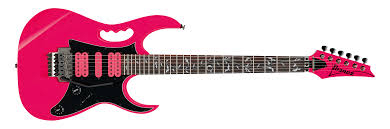
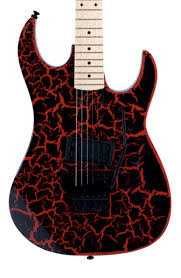
Are these Stratocasters:
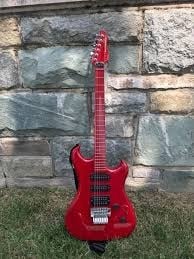
1779677609995.jpeg


1779677691926.jpeg

1779677827968.jpeg


While they are all double cutaways, none of these guitars have the same dimensions as a strat. Nor do they have 3 single pickups. But clearly their body style is similar. I guess I’d like to have a clear answer to “What is a Stratocaster.”

The water is just too muddy on this one.

Obviously the name Fender and Stratocaster should be trademarked and any other guitar manufacturer using those names are in the wrong.
 
As far as predictions regarding the outcome of this (and subsequent) round(s) of litigation, it’s far too early to make predictions.

That said, Here’s mine :) :

I suspect Fender will win a few copyright cases in Europe, and will begin litigating (and licensing) their body shapes worldwide. Once the licensing arrangements are established, Fender will re-apply for Trademark status, based on the success of the copyright cases and the market’s validation of the licensing agreements.

I have nothing of substance to back this up, but I’m willing to wager $1 USD on the outcome. :)
 
  • Like
Reactions: Miles_ONeal
Anyone interested in a deeper dive from someone in the industry who happens to also be a lawyer:


Thanks for posting that. I think he makes some valid points, but he's incorrect that Fender can simply re-litigate the trademark case that it lost back in 2009 before the Trademark Trial and Appeal Board, which involved the body shapes for the Stratocaster, Telecaster, and Precision Bass. They can't just file a new lawsuit, and hope a different judge will interpret the law differently. Here's the opinion from 2009 if anyone's interested. It includes testimony from folks like Dan Lakin, Roger Sadowsky, Michael Tobias, and other names many of us recognize:

https://ttabvue.uspto.gov/ttabvue/ttabvue-91161405-OPP-11.pdf

If Fender tried to assert a trademark in those body shapes against anyone else in the U.S., those parties could raise this prior ruling as a defense, and they would win. It's called "issue preclusion" or "collateral estoppel." Here's an example of how this works from a general book about U.S. law by William Burnham: "[A]ssume that P holds a patent and sues D. Co. for infringement. The court finds that P's patent is invalid and enters judgment for D. Co. P then files suit for infringement of the same patent against X Co. X Co. can use the doctrine of issue preclusion to have the second suit dismissed. The issue of the validity of P's patent has already been determined against P, so P is precluded from re-litigating that issue."

But the 2009 case was on a trademark theory, not copyright, so Fender might not be precluded from trying to pursue a copyright claim in the U.S. I'm no expert, but I think Fender would have an uphill battle.
 
Saw a YT short from Highline Guitars mentioning an article on Guitar World website with clarification from Fender. I recommend going over to read it. Basically they're saying the target is exact Strat body clones. Not kinda-strat guitars.

As I said before, I think those horses are already out of the barn, but I do have some sympathy for Fender wanting to prevent exact clones.
 
Guitar World Link.

FMIC said:
Fender has confirmed it is already in settlement discussions with a number of firms, as laid out in the Bird & Bird response: “Many of the addressees of that initial communication have reached out to us… and have entered into reasonable settlement discussions on the premise that they will discontinue making and/or selling the 'Stratocaster' clones.”

I have believed this is a product licensing play from the beginning, and I feel even stronger now this is the case. Having major competitors “cede” the Stratocaster design as protected intellectual property is a huge first step in winning the copyright case in the EU. How they choose to settle with builders who insist on building Strat-body clones will be the next milestone.
 
Last edited:
Fender owns and is now enforcing the Stratocaster body shape copyright in the EU. That has been decided in the German court. If someone wants to challenge Fender on this point and thinks they have a great footing to do so, they will file a declaratory judgment in the EU. So far, that has not happened.
 
  • Like
Reactions: Miles_ONeal
One detail people seem to be missing: the legal understanding of copyrights of everyday objects recently changed in the EU. Fender is leveraging the ruling by the ECJ on the Mio/Konektra case in 4Q2025. Ironically, Fender wasted no time in making its move.


Taylor Wessing said:
The ECJ confirmed that works of applied art are subject to the same requirements as other copyrighted works. The key criteria for qualifying as a work are whether the object is an “original” - meaning the result of the author’s own intellectual creation-, and that it reflects the author’s “free and creative choice”. On the contrary, the relevant criteria for design protection are “novelty” and “individuality”. Design protection and copyright protection serve different purposes: Design protection rewards investing in the creation of new products whereas copyrights protect creative and artistic achievements and may therefore benefit from significantly longer protection.
 
Last edited:
  • Like
Reactions: Miles_ONeal
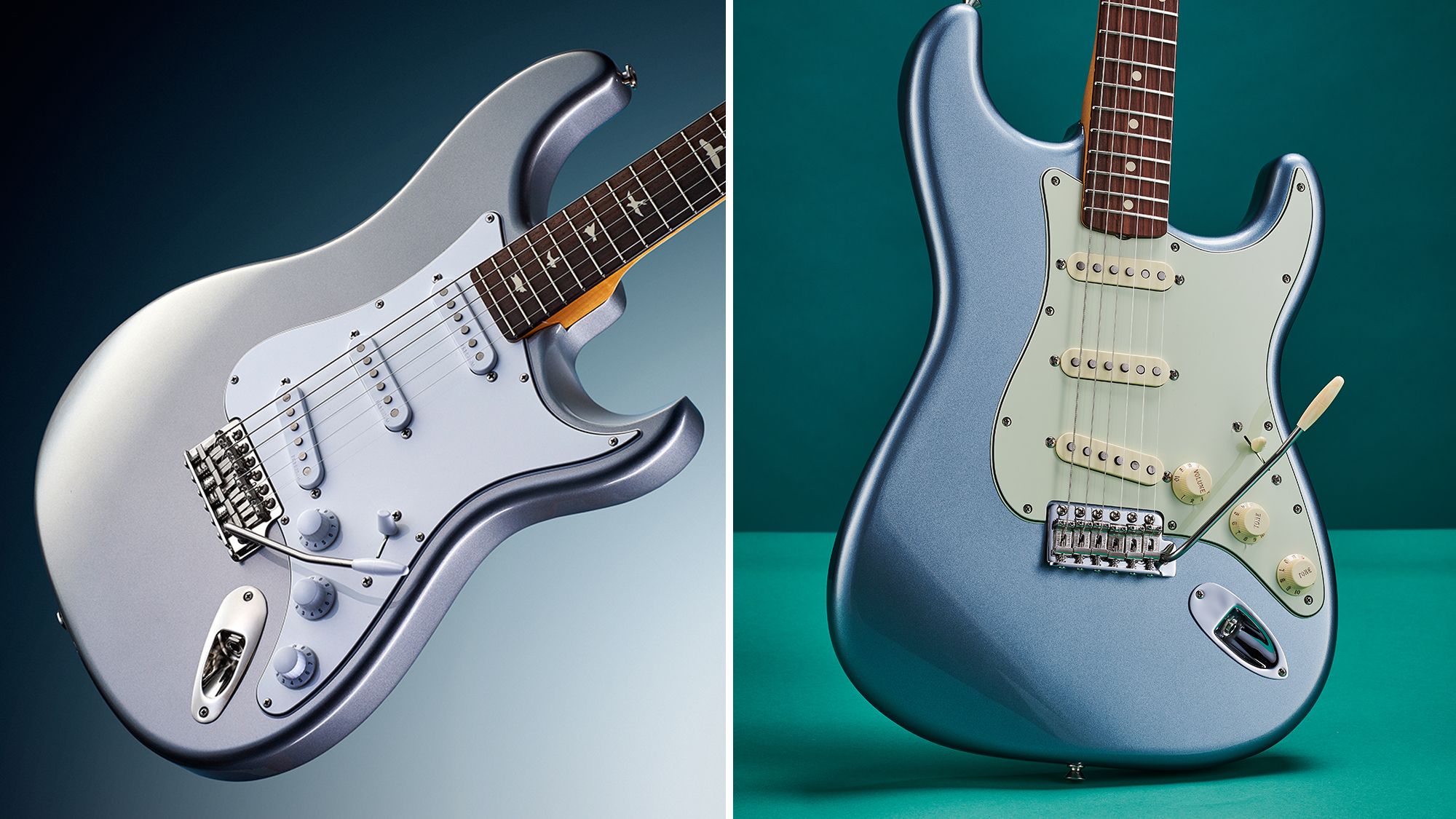
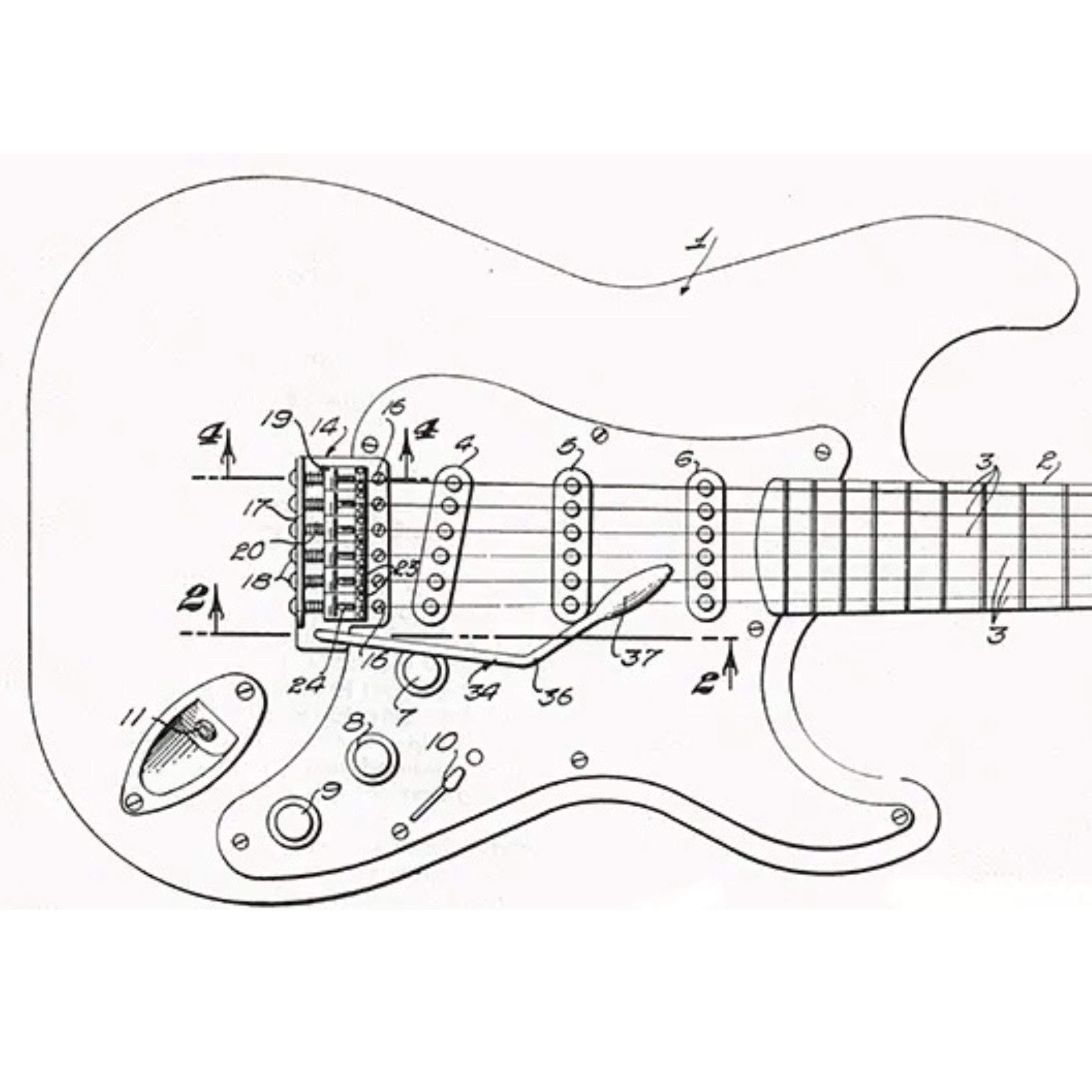
What design elements do you feel make a body a Stratocaster?

I’ll take a stab at it:

1. Symmetrical, rounded lower bout with a flat bottom
2. Narrow waist
3. Asymmetrical (offset), rounded upper bout
4. Double-cutaway fret access with rounded horns
5. Three pickups
6. Tremolo/vibrato plate-style bridge with a threaded-rod arm
7. Pickguard shape that contains all three pickups, mirrors the body outline, and ends at the bridge plate
8. Three control knobs
9. Blade-style pickup selector
10. Forearm bevel and belly cut
11. Oval-shaped output jack plate

I feel there is a difference between a “Super-S-Type” and a Stratocaster body, but I’ve never given much thought to where the lines should be drawn.

IMG_0912.jpeg
 
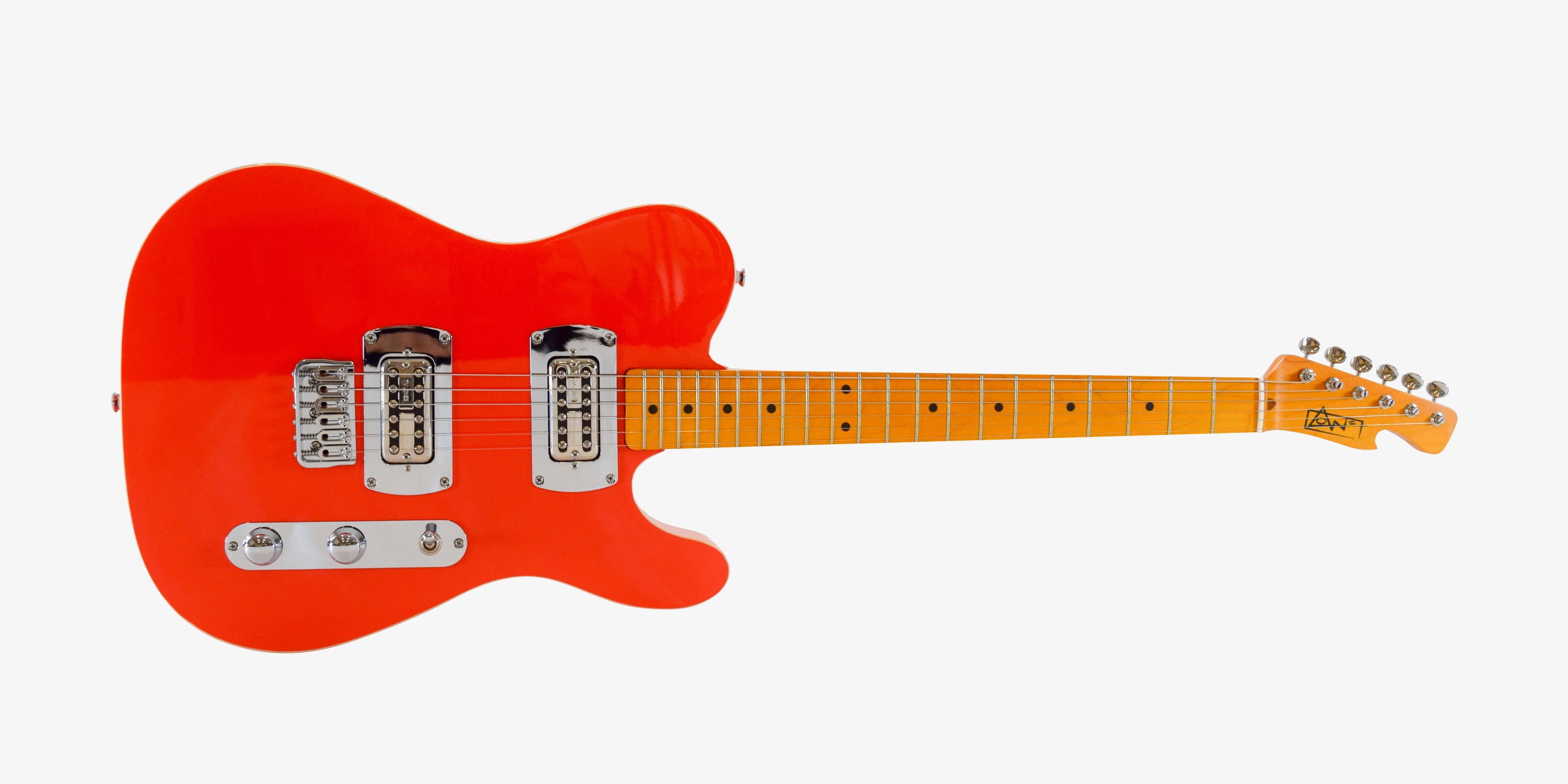
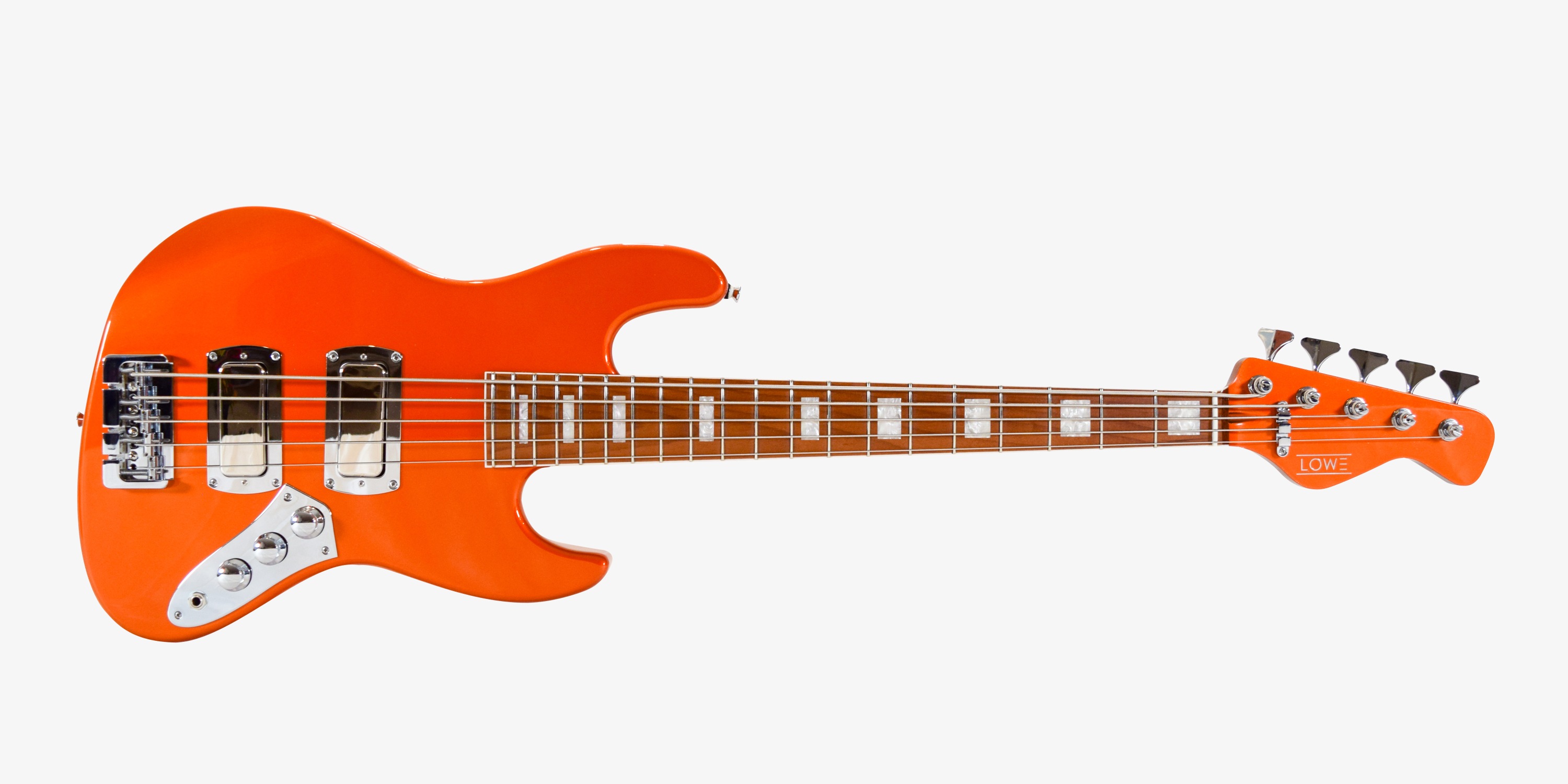
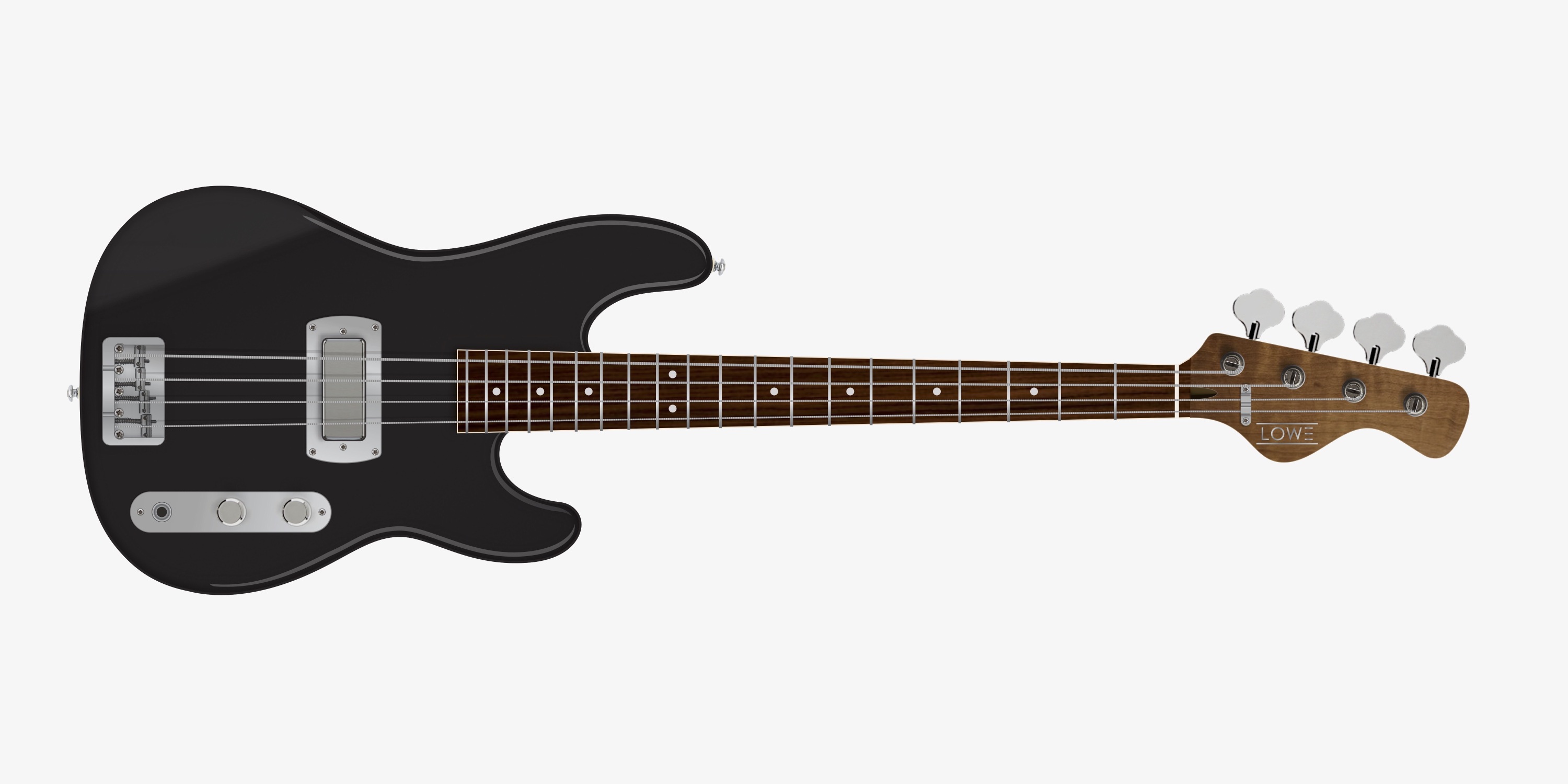
If Fender succeeds with the Stratocaster, I assume the Telecaster, Jazz Bass, and Precision Bass models are next. Assuming that is correct, I’m curious about the following:

Is this a Telecaster or a T-Type?

010_01.jpg


Is this a Jazz Bass or a J-Type?

119_01.jpeg


Is this a Precision Bass or a P-Type?

P32_6000x3000_10r.jpg
 
  • Like
Reactions: Miles_ONeal
Is this a Telecaster or a T-Type?

Is this a Jazz Bass or a J-Type?

Is this a Precision Bass or a P-Type?
Fender is being deliberately vague, probably on purpose, about what they consider to be "infringing."

Assuming they rack up a few wins in court, my guess is Fender will push it as far as the courts will let them. Restraint is definitely not a characteristic of their current legal strategy.
 
  • Like
Reactions: BTL and Miles_ONeal
Fender never copyrighted the body shapes or trademarked them. They have no legal standing in this.

What has happened is Fender sued a Chinese company in Europe (in Germany, I believe,) who didn't show up to court. In Germany. When your opponent doesn't show up in court, you win. So Fender currently has a precident on their side.

The problem for Fender is that their previous inaction is longstanding and well documented. This paper precident is going to mean nothing when someone actually takes them to court over this.
All of this except one detail. This isn’t about copyright but about design trademark. Gibson filed design trademarks on most (all?) of their original body and headstock shapes. Fender did not.

Edit: this applies to US case law. I hadn’t realized (I should have) that it’s different in Germany and that it is copyright there.
 
Last edited:
  • Like
Reactions: BTL
What design elements do you feel make a body a Stratocaster?

I’ll take a stab at it:

1. Symmetrical, rounded lower bout with a flat bottom
2. Narrow waist
3. Asymmetrical (offset), rounded upper bout
4. Double-cutaway fret access with rounded horns
5. Three pickups
6. Tremolo/vibrato plate-style bridge with a threaded-rod arm
7. Pickguard shape that contains all three pickups, mirrors the body outline, and ends at the bridge plate
8. Three control knobs
9. Blade-style pickup selector
10. Forearm bevel and belly cut
11. Oval-shaped output jack plate

I feel there is a difference between a “Super-S-Type” and a Stratocaster body, but I’ve never given much thought to where the lines should be drawn.

IMG_0912.jpeg

I agree with this, except requiring three pickups and tremolo bridge would exclude quite a few Strats, and neither affects the arguably "artistic" elements of the design, like the body outline, pickguard outline, and jack shape and location/orientation. There have been several HH Strats and a few hardtails, and I owned a 2001 American Series "Big Apple" Strat that was both. (It was a great guitar, and I never should have sold it.)
 
  • Like
Reactions: Miles_ONeal

Latest posts