
Enjoy the benefits of a premium membership!
Upgrade Account
-
TalkBass has been independent since 1998. Add your voice.
Create a free account to reply to discussions, view embedded media, and browse with fewer display ads.
Join free Log in
Want zero display ads or expanded classifieds tools? Compare plans.
You are using an out of date browser. It may not display this or other websites correctly.
You should upgrade or use an alternative browser.
You should upgrade or use an alternative browser.
- Status
- Not open for further replies.
More options
Who Replied?

First, I'm pretty sure you're right about why Fender moved to the veneer boards, but ultimately, it's also just another tonal choice because it does change the sound. Given quality woods and construction, on a fretted bass, I doubt the fingerboard would literally "wear out", so that's why I say it's pretty much just a tonal thing on a fretted bass. On a fretless, I'd insist on a slab board, tho... just so you had material to work with if you needed to re-plane it. Ultimately, it just boils down to how much tonal involvement you want from the board... thinner board, less effect.hey guys sorry to veer off topic, but maybe someone can clear this up for me. So I noticed on the website that Jimmy is now offering a "capped fingerboard" as a new option. I always just assumed that slab boards were just the way Leo did it until they realized they could make more fingerboards by doing thinner "capped" veneer boards, but based on how they're described, I can't really tell whether my ACs' boards are slabs or capped. I would assume they're slabs since Jimmy is just now offering the capped board as an option, but what possible benefits would you have from having him put one on your bass other than trying to be period correct?
Personally, I prefer the slab, but in keeping with Jimmy's goals for being very faithful to certain Fender sounds, the introduction of the capped board pretty much had to eventually happen, since Fender did it.
I'ts EASY to tell the diff from capped to slab. Just look for a thinner board whose bottom where it meets the neck follows the radius of the surface of the board, as opposed to a fingerboard that's thicker and "flat" on the bottom where it meets the neck.
Here's a couple pics to show it...
Capped (new option):
Invalid Link Removed
Slab (existing standard):
Invalid Link Removed

TimothyGroovy
Commercial User
- Aug 3, 2000
- 2,375
- 2,103
- Disclosures
- Owner: Uni•Sound Endorsing Artist: Sadowsky Guitars, Olinto Bass, LaBella Strings
First, I'm pretty sure you're right about why Fender moved to the veneer boards, but ultimately, it's also just another tonal choice because it does change the sound. Given quality woods and construction, on a fretted bass, I doubt the fingerboard would literally "wear out", so that's why I say it's pretty much just a tonal thing on a fretted bass. ON a fretless, I'd insist on a slab board, tho... just so you had material to work with if you needed to re-plane it. Ultimately, it just boils down to how much tonal involvement you want from the board... thinner board, less effect.
Personally, I prefer the slab, but in keeping with Jimmy's goals for being very faithful to certain Fender sounds, the introduction of the capped board pretty much had to eventually happen, since Fender did it.
I'ts EASY to tell the diff from capped to slab. Just look for a thinner board whose bottom where it meets the neck follows the radius of the surface of the board, as opposed to a fingerboard that's thicker and "flat" on the bottom where it meets the neck.
Here's a couple pics to show it...
Capped (new option):
Invalid Link Removed
Slab (existing standard):
Invalid Link Removed
Thanks Vic for this useful information!!
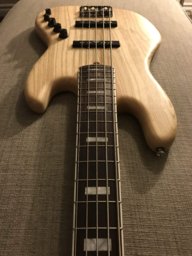
In Jimmy's case the capped board isn't going to net him more fingerboards as they're precut for either. As a matter of fact it's a big pain in the butt to do... Not to mention the machine that does it is super scary and can shoot out a fingerboard a good 20 yards if it gets away from you. So as Vic eluded to it's a period correct thing first and a tonal thing next.

Not to mention the machine that does it is super scary and can shoot out a fingerboard a good 20 yards if it gets away from you.
Awesome.

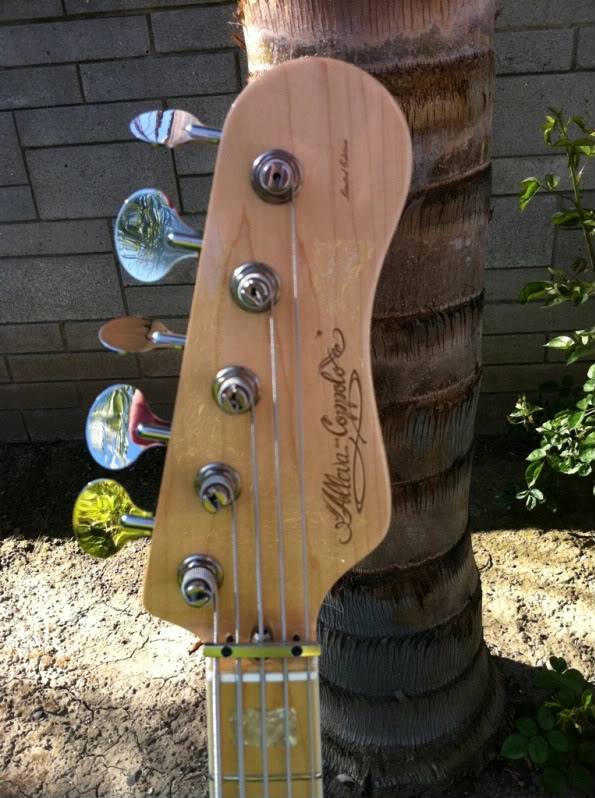
It's so nice out today that I decided to take some pics of my LM5, but please still forgive the photo skills as a beautiful day + a beautiful bass doesn't always mean perfect pics... A cell phone tends to come up short a lot, although the iPhone camera can be good at times... Enjoy!
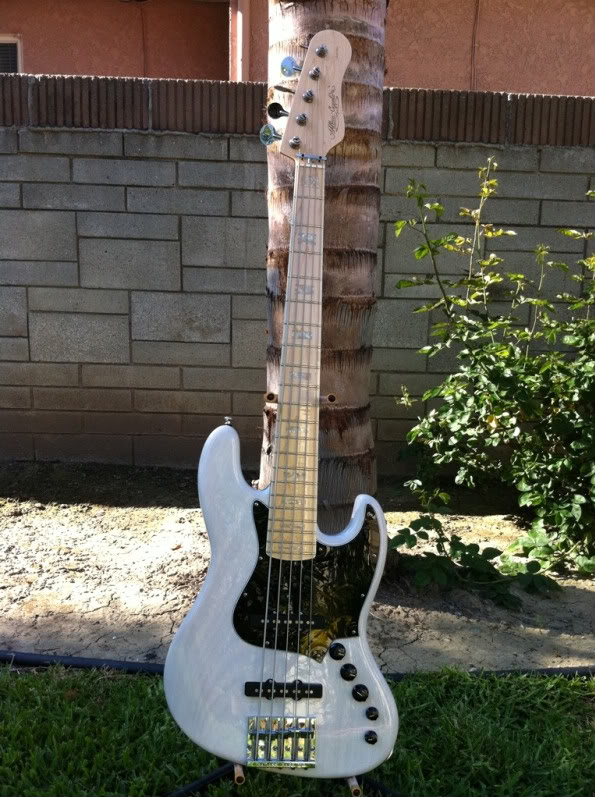
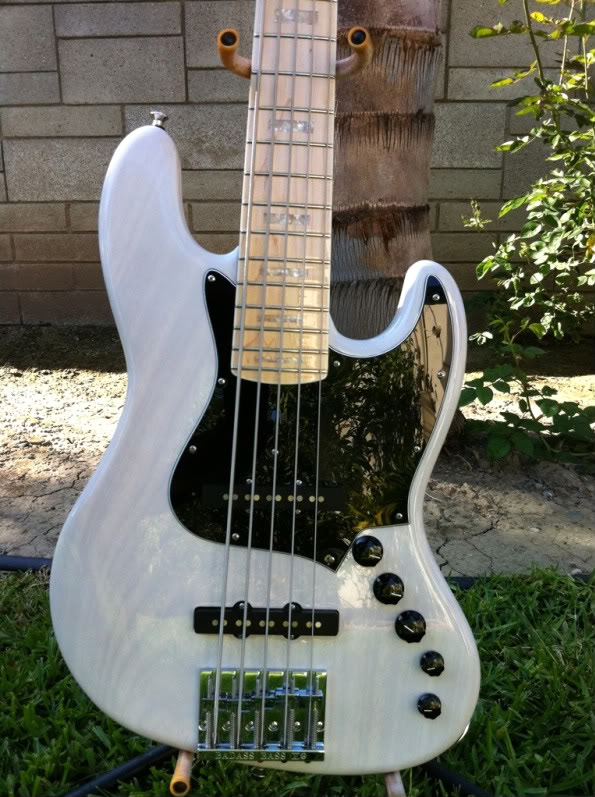
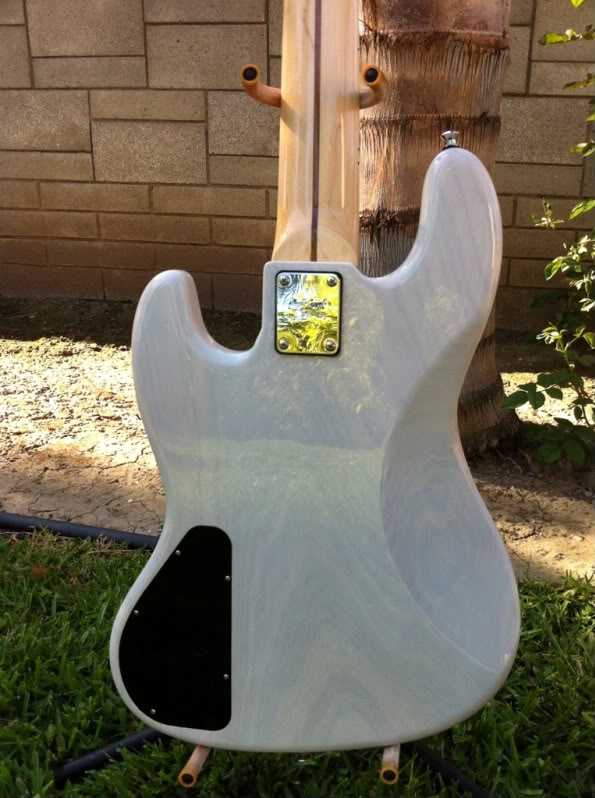
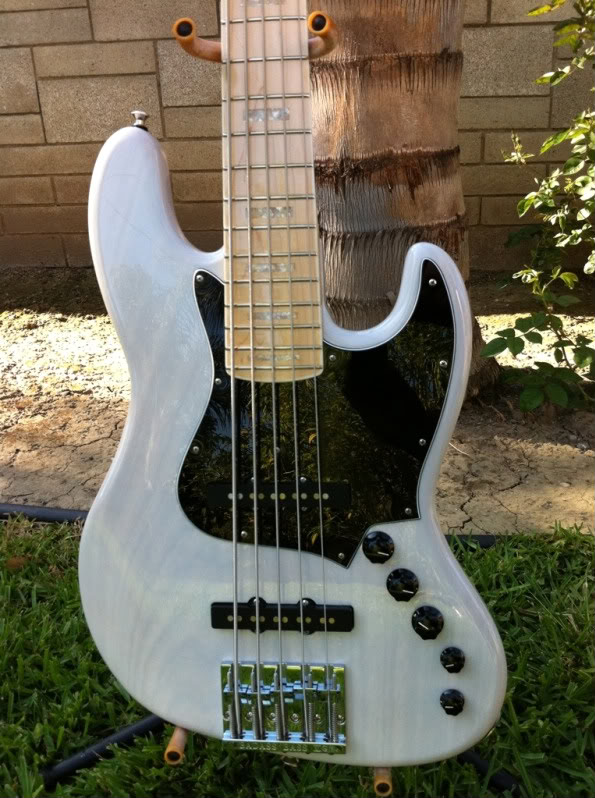
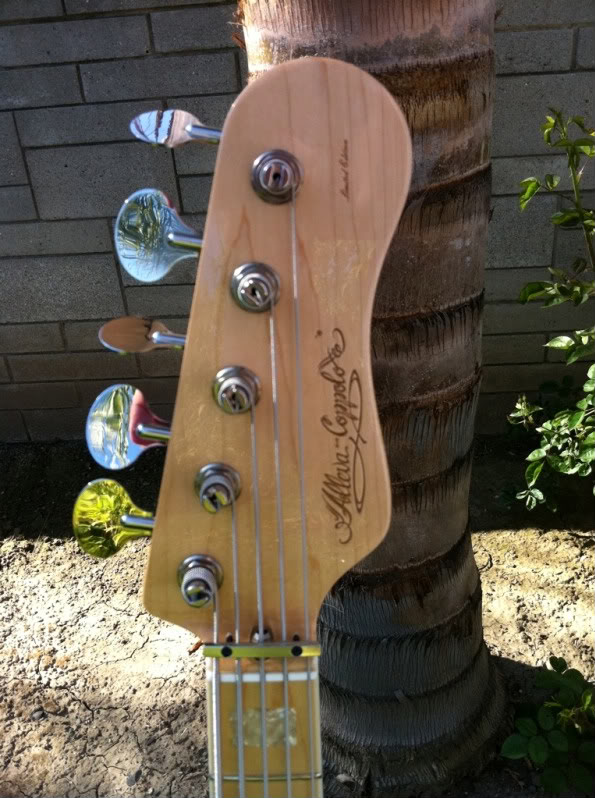
It's so nice out today that I decided to take some pics of my LM5, but please still forgive the photo skills as a beautiful day + a beautiful bass doesn't always mean perfect pics... A cell phone tends to come up short a lot, although the iPhone camera can be good at times... Enjoy!
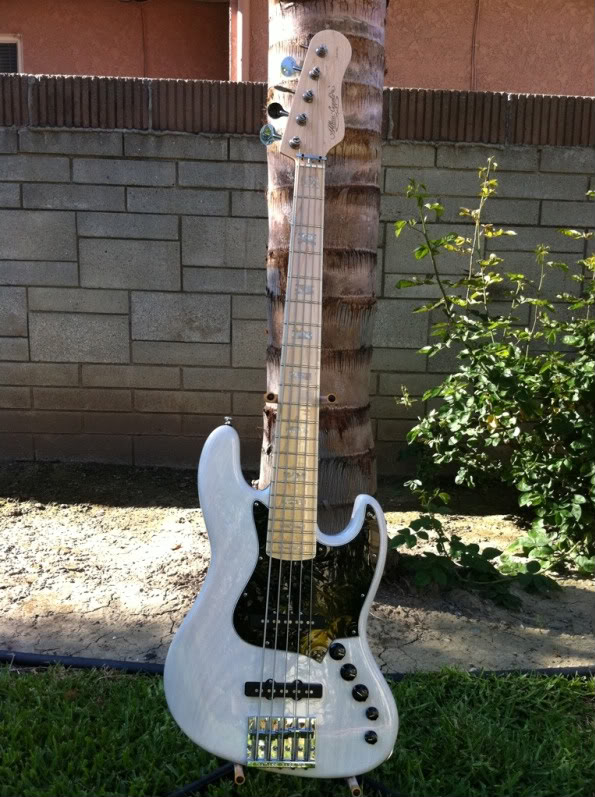
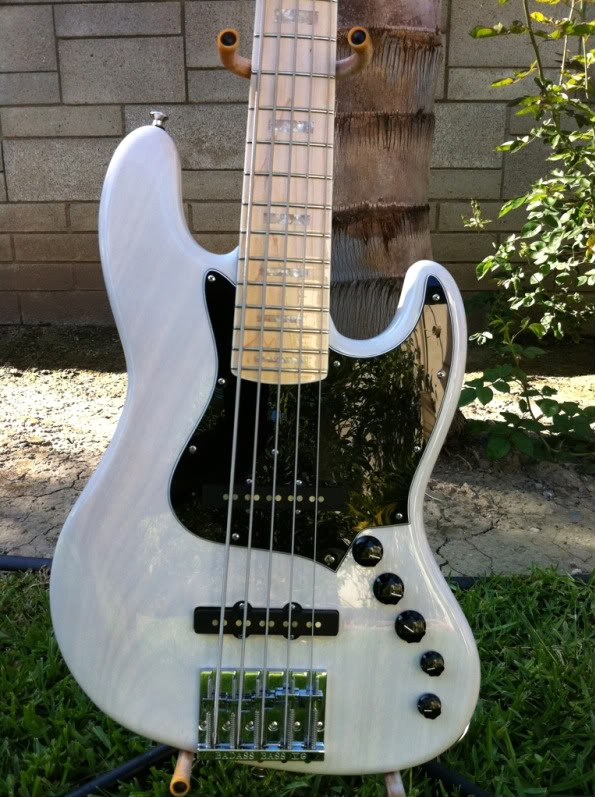
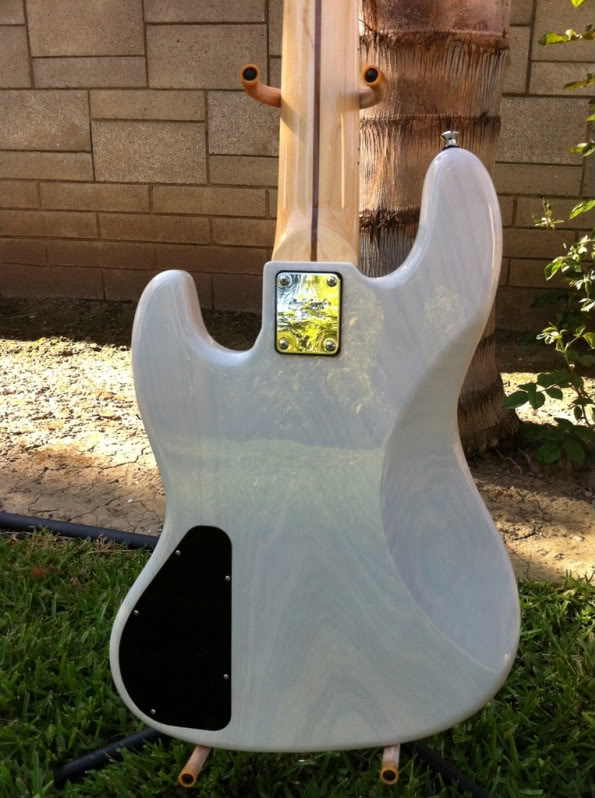
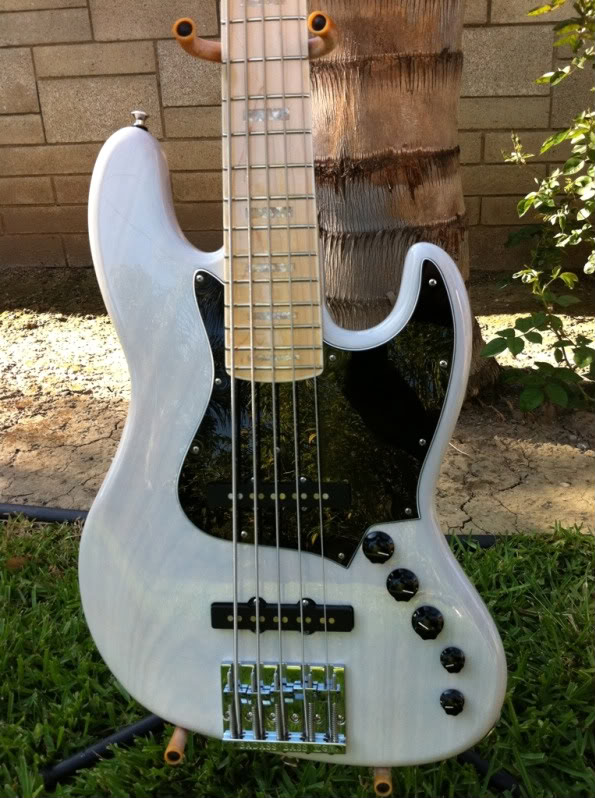
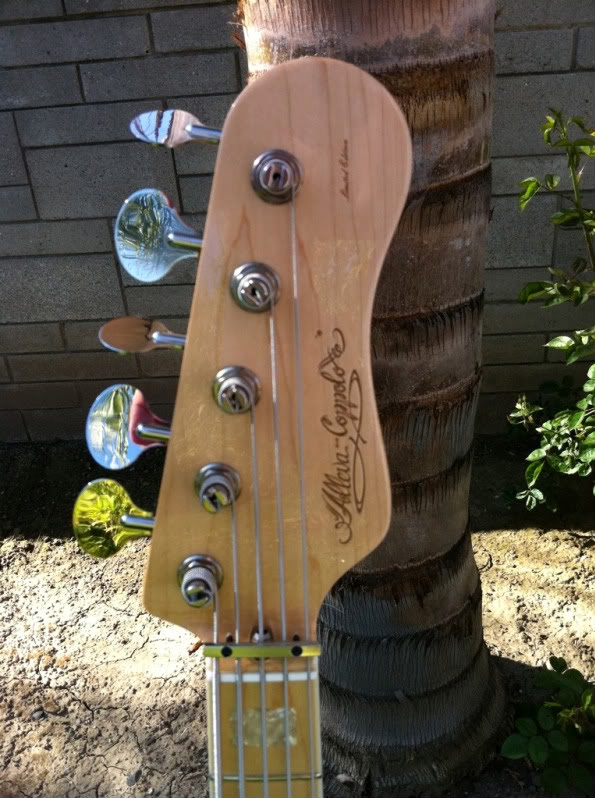
Man this right here is NICE, pics look great to me.
And I also wanted to share something else... We all love Jimmy's basses, but now I have a whole new level of appreciation for these things... With my wedding coming up next month I've taken it slow the last couple months in terms of gigging and rehearsing, so I found it a good opportunity to sell my Aguilar DB750 in anticipation of their new Tone Hammer 500 amp. This technically left me amp-less for over a month now. But I've since been called in for some gigs and have had to play through just the PA system and my LM5 still rocks that way... It still has that signature Coppolo sound. Of course you miss some things that your favorite amp does but still I was very happy with the tone. It always sounds thick with whatever you do... That I can truly say a lot of other instruments/electronics don't do, hands down.


svtb15
Inactive
- Mar 22, 2004
- 13,004
- 4,741
- Disclosures
- I play it all. Whatever works for the gig. Q+
Yohan.. That is nice!!!
It's so nice out today that I decided to take some pics of my LM5, but please still forgive the photo skills as a beautiful day + a beautiful bass doesn't always mean perfect pics... A cell phone tends to come up short a lot, although the iPhone camera can be good at times... Enjoy!
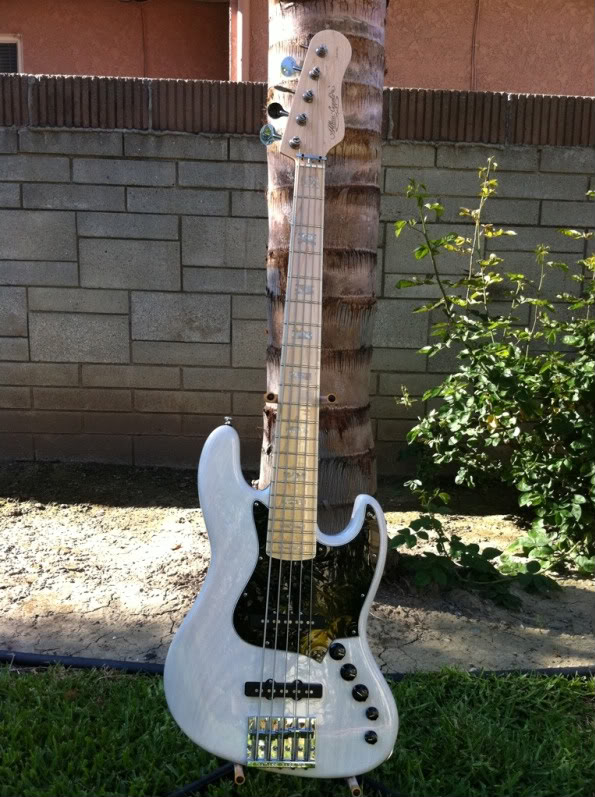
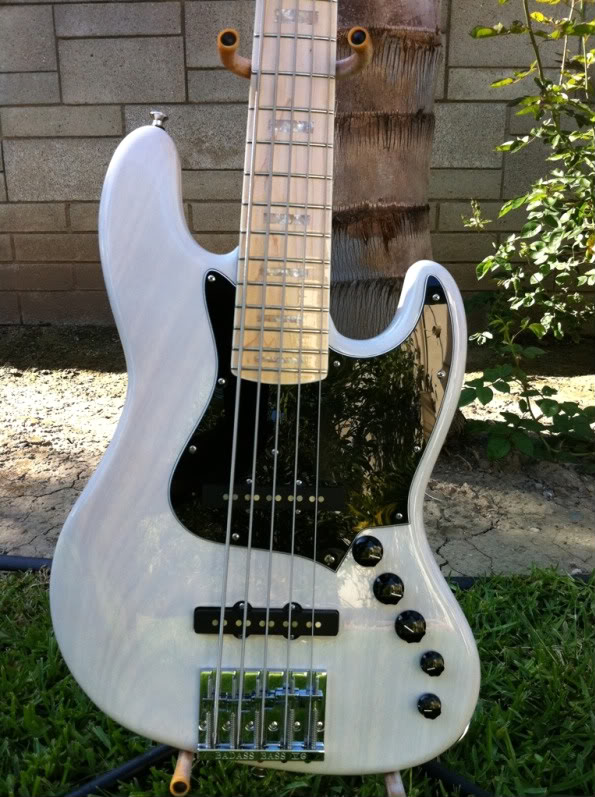
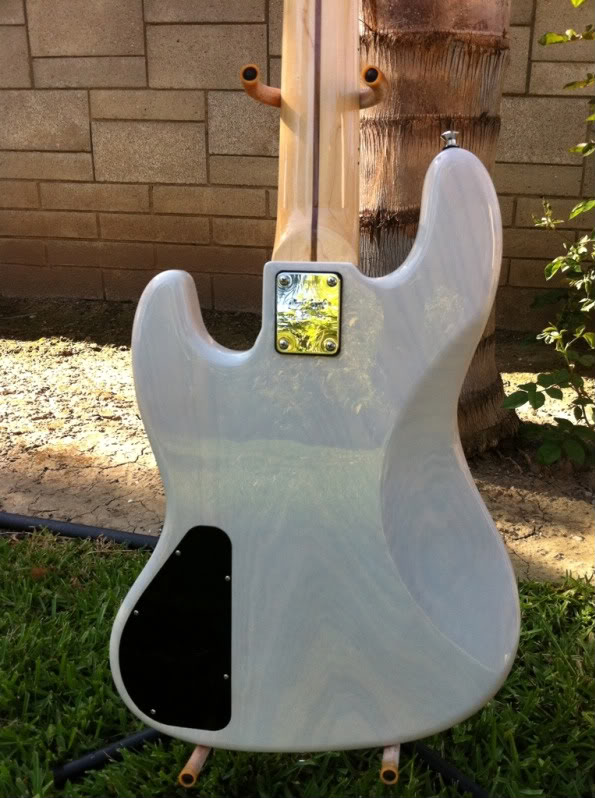
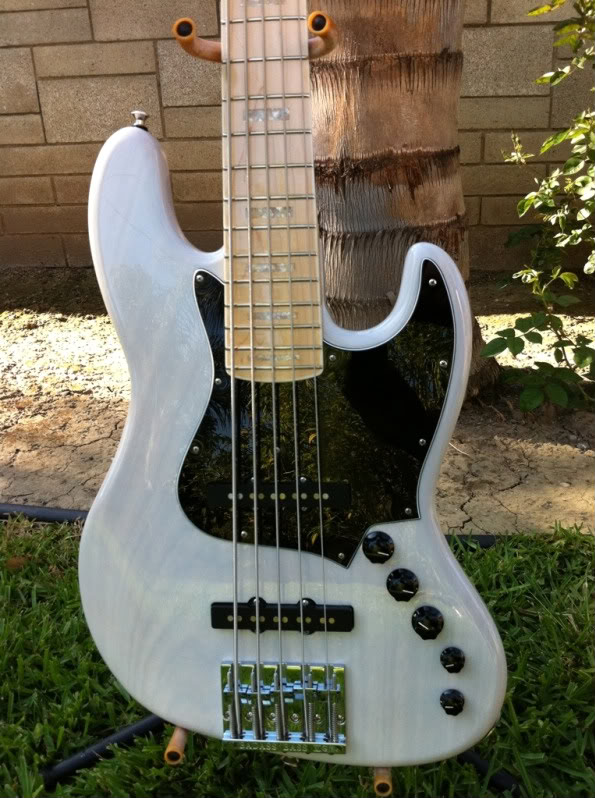

- Jan 7, 2008
- 2,196
- 224
- 39
- Disclosures
- Endorsing Artist: Olinto, La Bella, JuleAmps, Epifani

First, I'm pretty sure you're right about why Fender moved to the veneer boards, but ultimately, it's also just another tonal choice because it does change the sound.
How did the sound change when you a/b'd two otherwise identical basses?
I didn't get a chance to do that, as the two at NAMM weren't literally identical other than the boards, and of course the sonic crush of NAMM as well. However, I'm pretty sure the net result is a little less rosewood and a little more maple involvement, so it should be a slightly more aggressive tone for the capped board. Also, while it's completely non-scientific, I've played a bunch of vintage Fenders and I've just tended to gravitate towards the slabbed ones more. The other thing is, I just like they way it looks more (even though I'm the only one that'd ever see this detail.)How did the sound change when you a/b'd two otherwise identical basses?
For whatever it's worth anyway.
Speaking as an owner of a 'capped' version (albeit a slightly different approach than what Jimmy is doing now), I can tell you that the sound is just great.
Articulate but still warm ... a perfect alder/RW vibe while staying tight on that B string.
Will take tubes/effects well too, as it stays tight for a 60's build.
In fact, I had to twist Jimmy's arm for this build, which he told me was a real pain to do and was reminded why he stopped doing them while building mine. But ... after he finished and played it, he liked it so much that he came up with a CNC solution that made the build somewhat practical, and now we have the option.
Articulate but still warm ... a perfect alder/RW vibe while staying tight on that B string.
Will take tubes/effects well too, as it stays tight for a 60's build.
In fact, I had to twist Jimmy's arm for this build, which he told me was a real pain to do and was reminded why he stopped doing them while building mine. But ... after he finished and played it, he liked it so much that he came up with a CNC solution that made the build somewhat practical, and now we have the option.
... after he finished and played it, he liked it so much that he came up with a CNC solution that made the build somewhat practical, and now we have the option.
Well, the CNC part if only for the neck but the board has to be manually fed thru the super scary machine I mentioned in an earlier post... I remember literally having to stay behind cover but keep watch in case something happened and I had to make a "phone call."
- Jan 7, 2008
- 2,196
- 224
- 39
- Disclosures
- Endorsing Artist: Olinto, La Bella, JuleAmps, Epifani
How did the sound change when you a/b'd two otherwise identical basses?
I realized yesterday that my '69 fretless P-bass has a veneer board and both my ACs are in fact slabs. Despite the '69 being a 4 string and fretless versus my KBP5 which is a 5 string and fretted, they're both rosewood/alder and have a similar vibe, especially with the same strings. Right off the bat, without even plugging them in I can clearly hear a difference. The slab board on the AC has a much deeper, thicker sound and the '69 has a slightly more articulate mid-present warmth to it. I'm sure the presence of frets vs no frets has a little something to do with it but that being the only difference, there is most certainly a different kind of "warmth" between the two. Personally I think the slab sounds better but could easily see a veneer board being a better slap machine.
Well, the CNC part if only for the neck but the board has to be manually fed thru the super scary machine I mentioned in an earlier post... I remember literally having to stay behind cover but keep watch in case something happened and I had to make a "phone call."
YIKES!
Awesome. Thanks for the info. This is precisely what I would expect to hear, given the chance to compare more directly.I realized yesterday that my '69 fretless P-bass has a veneer board and both my ACs are in fact slabs. Despite the '69 being a 4 string and fretless versus my KBP5 which is a 5 string and fretted, they're both rosewood/alder and have a similar vibe, especially with the same strings. Right off the bat, without even plugging them in I can clearly hear a difference. The slab board on the AC has a much deeper, thicker sound and the '69 has a slightly more articulate mid-present warmth to it. I'm sure the presence of frets vs no frets has a little something to do with it but that being the only difference, there is most certainly a different kind of "warmth" between the two. Personally I think the slab sounds better but could easily see a veneer board being a better slap machine.

Awesome. Thanks for the info. This is precisely what I would expect to hear, given the chance to compare more directly.
He is comparing a fretted and fretless bass from different manufacturers, and attributing much of the tonal difference to the slight difference in board design

God help us. We need to have a sticky explaining partitioning of tonal variance and misattributions of causal effects.


BTW Mitch is 75% bridge 80% neck. 50% tone. It kills some of the top end but more importantly neither pick up is over bearing like when you slightly back off of one pick up.
It's a new and interesting tonal combination.
It's a new and interesting tonal combination.
- Status
- Not open for further replies.


