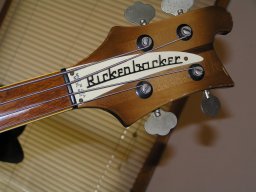
@BruceWane The base tension is irrelevant to fretting. It's the rate of tension increase that determines the fretting feel. An extreme and unlikely rw comparo, a huge jazz box with a short tailpiece and 25.5" scale withe the same strings and setup as a tele, there's more string to stretch from end to end on the box and thus the total tension will increase at a lower rate from open to fretted and from fretted to bent than the t. A floppy b string isn't just floppy at fret zero, it's floppy on one, two and beyond. (IME, YMMV, etc. Until someone buys me a fishing scale) Increasing total string length whilst keeping the scale length will not contribute to a stiffer B, the point of the thread. If all basses had reverse inline heads, would a regular inline or 2/3 or 3/2 inherently have a stiffer b than usual solely because of the shorter unplayed string length? maybe, but the opposite as theorized in the op will not make any strides whatsoever in ancieving a stiffer b.
The ideal trem guitar if I cared to have the dive option would have the rare non fine tuner fr set non-pull, a slick nut and locking tuners. These days I just bend the neck (oh no!) or grab a bend before the pick hits when I want a little downward trem
The ideal trem guitar if I cared to have the dive option would have the rare non fine tuner fr set non-pull, a slick nut and locking tuners. These days I just bend the neck (oh no!) or grab a bend before the pick hits when I want a little downward trem
Last edited: