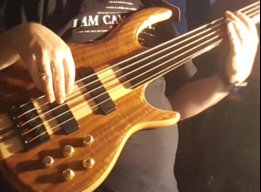
It really only matters on TB, that I can tell. And even at that, it's more of a "tough love" kind of thing in my observation. Meaning, it's rooted in the immature idea of if it's harder, it's automatically better for you.1. Intonation matters.
2. Neither the audience nor the tape can hear whether or not lines happen to be on the instrument.
I will never understand why this particular choice / discussion is such a TB flashpoint. Makes zero sense for otherwise intelligent musicians to assert anything other than their own preference. Particularly the “training wheels” denigration for players who use marks on the fingerboard. So, Jaco needed “training wheels?” Seriously? Dark comedy at best.
It is true that the unlined FL is demonstrably a little more difficult to intonate than the lined (with how much "a little" is left vague here
 ), but the ROI on the effort to play each one is identical (the fretless tone, etc). And, following this mentality, it is thought that the more difficult method to achieve the same thing has some kind of value for you as a player, musician, person, whatever. Go figure - pick your poison on that one.
For myself, if I really pick at the scab of the lined vs unlined thingy in my own mind, I can eke out the occasional feeling that the additional challenge of the unlined can be enjoyable if I'm in the mood. Sometimes it's just funner to play an old standard on the Tony Franklin vs. the Jaco just for the "fun" of trying to intonate it as well on the unlined as I do on the lined Jaco. The Jaco always wins, but with practice I can get very close on the TF. Sometimes that work can be fun.
But that's the only metric I could use to establish a preference for the unlined over the lined as a player.
Apart from that, there are definite practical reasons to prefer unlined, though. A big one is that unlined basses are less coveted by thieves. They're harder to pawn and unload than a fretted bass. This has been amply demonstrated by my own experience, having been robbed of basses multiple times, but each time only my fretted and lined basses were taken. My original L2000 unlined, for example, survived 2 robberies dead in a row at the same house, but none of my fretted ones did, and even my lined 6 string was taken instead of it.
Also, unlined fingerboards don't have cuts in the wood for the slots in the typical lined version, which can add a little bit of stability to the wood. No slot areas to depress and begin to buzz over time, if the fingerboard is bare wood.
Anyway, that's my analysis on the why's of lined vs unlined. At the end of the day, it's a non-issue when it comes to playing....
L


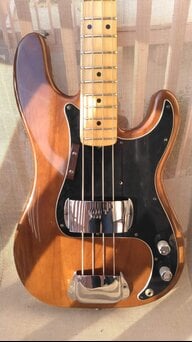


 He's sure done alright for himself with it.