

Enjoy the benefits of a premium membership!
Upgrade Account
-
TalkBass has been independent since 1998. Add your voice.
Create a free account to reply to discussions, view embedded media, and browse with fewer display ads.
Join free Log in
Want zero display ads or expanded classifieds tools? Compare plans.
You are using an out of date browser. It may not display this or other websites correctly.
You should upgrade or use an alternative browser.
You should upgrade or use an alternative browser.
More options
Who Replied?

Do you like this MIJ L2000 ('50s style pickguard mod)?
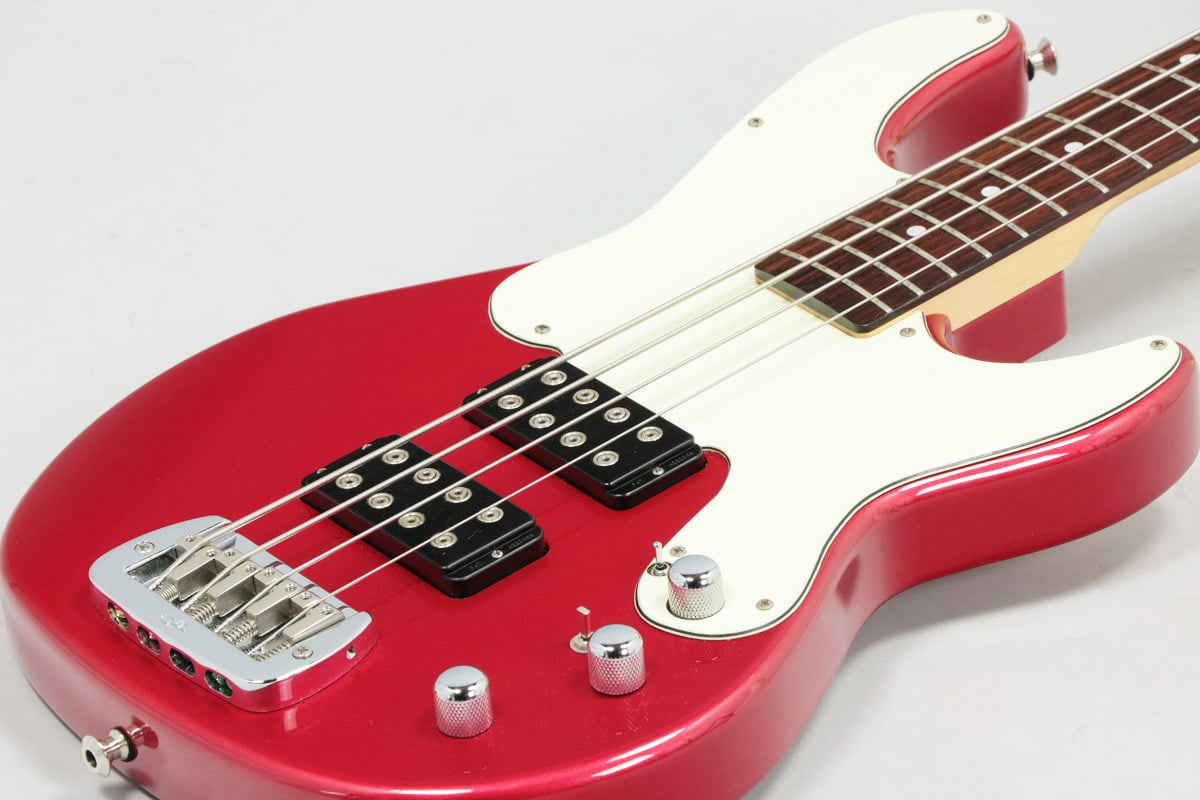
[Invalid or Expired Link Removed]
[Invalid or Expired Link Removed]
Last edited:

Lowendtech
Happily trending in my own peculiar direction.
Yes. Yes I do.Do you like this MIJ L2000 ('50s style pickguard mod)?
View attachment 2962805
[Invalid or Expired Link Removed]
A LOT.
Do you like this MIJ L2000 ('50s style pickguard mod)?
View attachment 2962805
[Invalid or Expired Link Removed]
Aye.


So what is the consensus on the Emperess wood basses? Tone? durability?
I can confirm what has already been said about Empress wood for bodies. It probably sounds closer to ash rather than alder so it sounds good. I have an SB-2T (in my avatar) and an L2K in said body wood. I can't comment on durability since I've only had them for a couple of years. I doubt you'd regret choosing that wood.



Say what!?!?! El Toro-check.. Trans red - check... rosewood board-check... no matched headstock-check... Here you go!!!! Invalid Link RemovedMy ideal El Toro... trans red, rosewood board and NO matched headstock...

Say what!?!?! El Toro-check.. Trans red - check... rosewood board-check... no matched headstock-check... Here you go!!!! Invalid Link Removed
Not fair!
Anyone wanna buy a kidney...?


I'm a sad panda 
Unfortunately, my L2K neck has a bad bow and the truss has given all its got. I recently dropped the neck off with a tech and he couldn't free up the truss rod, he said the truss nut was marred and even though he has "special truss rod grabbing wrenches" he was unable to budge the rod. He then did treatments (clamps and heat) and said for me to use light gauge strings... and it helped a tiny bit.
I called G&L and asked if they could take a look at the neck and they said nope. They don't fix necks that are out of warranty, for about as much as a new Tribute, I could have them build me a new neck. SO a shot in the dark.. any tips, tricks, or ideas on how to "home treat" this neck?
Unfortunately, my L2K neck has a bad bow and the truss has given all its got. I recently dropped the neck off with a tech and he couldn't free up the truss rod, he said the truss nut was marred and even though he has "special truss rod grabbing wrenches" he was unable to budge the rod. He then did treatments (clamps and heat) and said for me to use light gauge strings... and it helped a tiny bit.
I called G&L and asked if they could take a look at the neck and they said nope. They don't fix necks that are out of warranty, for about as much as a new Tribute, I could have them build me a new neck. SO a shot in the dark.. any tips, tricks, or ideas on how to "home treat" this neck?

I'm a sad panda
Unfortunately, my L2K neck has a bad bow and the truss has given all its got. I recently dropped the neck off with a tech and he couldn't free up the truss rod, he said the truss nut was marred and even though he has "special truss rod grabbing wrenches" he was unable to budge the rod. He then did treatments (clamps and heat) and said for me to use light gauge strings... and it helped a tiny bit.
I called G&L and asked if they could take a look at the neck and they said nope. They don't fix necks that are out of warranty, for about as much as a new Tribute, I could have them build me a new neck. SO a shot in the dark.. any tips, tricks, or ideas on how to "home treat" this neck?
Someone with a plek machine should be able to level the fretboard if there's any issue there. And someone with a lot of repair experience might have some tricks to free up the truss rod. That someone in my book would be Mike Lull. But, again, you'd probably be looking at the cost of a Tribby. Might be worth a call out to his shop, though, just to see what's involved. You may only need to ship him the neck, so shipping might not be too bad.
I'm a sad panda
Unfortunately, my L2K neck has a bad bow and the truss has given all its got. I recently dropped the neck off with a tech and he couldn't free up the truss rod, he said the truss nut was marred and even though he has "special truss rod grabbing wrenches" he was unable to budge the rod. He then did treatments (clamps and heat) and said for me to use light gauge strings... and it helped a tiny bit.
I called G&L and asked if they could take a look at the neck and they said nope. They don't fix necks that are out of warranty, for about as much as a new Tribute, I could have them build me a new neck. SO a shot in the dark.. any tips, tricks, or ideas on how to "home treat" this neck?
Were it mine, I'd remove the neck, clamp it into a back bow (don't overdo it, just enough to take the tension off the truss rod), and see if I can work the truss rod nut off gently. Make sure you don't force it, you don't want to snap the truss rod. Make sure the Allen key you're using is fully seated into the hole, too. Or get one of those tools if necessary. Take the truss rod nut off entirely. You can then use a few washers under the nut to give you some extra thread space, then put a new nut on. Do this when the nut is still clamped in a back bow and tighten by hand. Don't crank down on it, but use the back bow from the clamps to set the curve of the neck then use the nut to hold it there. I've rescued a few necks this way.
Last edited:
Were it mine, I'd remove the neck, clamp it into a back bow (don't overdo it, just enough to take the tension off the truss rod), and see if I can work the truss rod nut off gently. Make sure you don't force it, you don't want to snap the truss rod. Make sure the Allen key you're using is fully seated into the hole, too. Or get one of those tools if necessary. Take the truss rod nut off entirely. You can then use a few washers under the nut to give you some extra thread space, then put a new nut on. Do this when the nut is still clamped in a backbone and tighten by hand. Don't crank down on it, but use the back now from the clamps to set the curve of the neck then use the nut to hold it there. I've rescued a few necks this way.
Yeah, that's the best chance for a home remedy. I've done this myself a few times. Great answer.

If the bass in question is, IIRC, a mid '13 or later, this won't be possible as they went to a new type of TR that has the nut welded on.Were it mine, I'd remove the neck, clamp it into a back bow (don't overdo it, just enough to take the tension off the truss rod), and see if I can work the truss rod nut off gently. Make sure you don't force it, you don't want to snap the truss rod. Make sure the Allen key you're using is fully seated into the hole, too. Or get one of those tools if necessary. Take the truss rod nut off entirely. You can then use a few washers under the nut to give you some extra thread space, then put a new nut on. Do this when the nut is still clamped in a back bow and tighten by hand. Don't crank down on it, but use the back bow from the clamps to set the curve of the neck then use the nut to hold it there. I've rescued a few necks this way.
If the bass in question is, IIRC, a mid '13 or later, this won't be possible as they went to a new type of TR that has the nut welded on.
True, but then it would be a warranty issue and we wouldn't be having this discussion.
You can definitely tell they're related. Let's hear them in context.
View attachment 2962525
Thank you very much for that. I appreciate it. Wondering what strings you had on the L2500?
Thanks again!
John
Unless of course it was bought used, which voids the warranty.True, but then it would be a warranty issue and we wouldn't be having this discussion.

Thank you very much for that. I appreciate it. Wondering what strings you had on the L2500?
Thanks again!
John
You're welcome. I've never done a comparison like this before so it was pretty cool to hear the nuances between the pup types. The L2500 surprised me the most, I really liked that recorded tone. The L5000 I don't enjoy playing solo but it just sits so perfectly between the bass drum and guitar on tape. The SB-2 is so J bass angry it's fun. But the Interceptor man, it has just the right amount of defined grind vs. bottom for me. Really dig that thing, enough so I'm thinking about spending the money on a refinish.
Strings:
L2500 - Dunlop Super Bright nickels, put on early December but not much use.
Interceptor - Dunlop Super Bright nickels, one gig and a couple rehearsals on those so they're about ready to be replaced. Deadest of them all.
SB-2 - D'Addario EXL170s, put on in January, virtually no play time since.
L5000 - SIT Powerwound nickels, put on late November with very light use since.

I'm a sad panda
Unfortunately, my L2K neck has a bad bow and the truss has given all its got. I recently dropped the neck off with a tech and he couldn't free up the truss rod, he said the truss nut was marred and even though he has "special truss rod grabbing wrenches" he was unable to budge the rod. He then did treatments (clamps and heat) and said for me to use light gauge strings... and it helped a tiny bit.
I called G&L and asked if they could take a look at the neck and they said nope. They don't fix necks that are out of warranty, for about as much as a new Tribute, I could have them build me a new neck. SO a shot in the dark.. any tips, tricks, or ideas on how to "home treat" this neck?
Presumably you're talking about a bi-cut neck? Is the neck solid maple/maple, or does it have a laminated fretboard like rosewood or ebony? If it's a lam'd fretboard, there may some ways to get at the truss rod, if a failed truss rod is the main culprit.
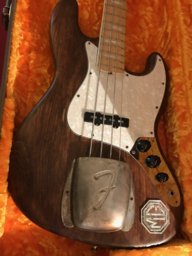
This bi-cut SB-2 neck had "something" done to the truss rod by lifting the butt end of the fretboard up about six inches. Then some surgery was performed, as you can see by the routed section. It was like this when I got the bass, dunno exactly what was done, but the neck was straight and the rod was functioning fine in both directions after the repair.
Obviously, this type of repair is not a DIY project, but a skilled luthier may be able to salvage the neck at a reasonable cost. Micheal Dolan comes to mind, but I think he's retired now.
What TDR1138 suggested is what I'd do first, though. Good luck.
Latest posts
-

-
 How can Fender release a "Vintage" series with an unplayable bridge?
- Latest: PBandJazzBass
-
-
