As for dead air, I've been learning lately that it's not the huge sin that some make it out to be- that's a DJ thing. In fact it might be a good thing, anticipation as to what song is next, and not appearing to be a machine up there.
It all depends on the band.
The best wedding band I ever experienced (maybe the only one I ever
liked) pretty much played straight through each set with the only gaps being the drummer starting the count after the last note of the previous song ended. The dance floor was full all night long and they played a different style of music each set so that all age groups were catered to. The only talking was stuff like "this one goes out to<somebody in the bridal party>".
I saw Dwight Yoakam a few years back and his band did a similar thing, the first half dozen songs were played back to back before he spoke to the audience. The energy was ridiculous.
Now it doesn't have to be that way in all situations, I've been in dance bands where the dancers wanted to swap partners every song. So we just waited until it was clear the dancers were ready.
Playing with bar bands, I noticed early on that some bands put together sets where three songs at the top of the set and three at the bottom of the set were played back to back. In the middle, there would be gaps. The idea was to capture the attention of your audience and then make them wnat to stay for the next set. Using the same set of songs to open and close makes it easier for everyone to be able to play with no gaps.
I also was in bands where the set lists would indicate spots where someone should speak to the audience between songs, in fact
putting their names on the list so members knew when to speak.
When it really becomes dead air is when
it's just dead air. Anyone with a mike in front of them can start talking until the rest of the band is ready to go. The band shouldn't have to talk amongst themselves between every song!
On instrument switching
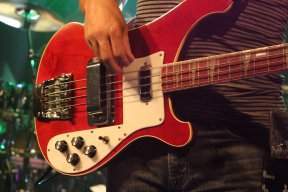
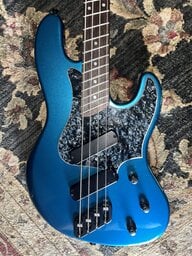
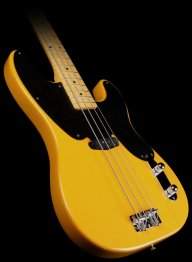
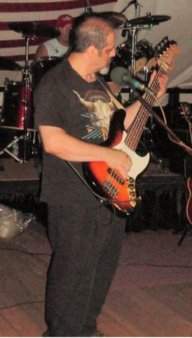
In bands where I doubled bass guitar and double bass, I would work out where I needed to switch and try to play three or four songs (or more, if possible) before switching again. I would organize the songs into three categories:
1.
Must be played on BG
2.
Must be played on DB
3. Can be played on either.
Category #3 was what made it work. I tried to get as much of the repertoire as possible under my fingers as possible on both instruments in order to minimize switching. Before each set I'd make sure everyone knew when I was going to switch so someone could talk. Any band member switching instruments should be able to do this.