Hi, my name is Bent, and I endorse bent plates
Show us your license tags.

TalkBass has been independent since 1998. Add your voice.
Create a free account to reply to discussions, view embedded media, and browse with fewer display ads.
Join free Log in
Want zero display ads or expanded classifieds tools? Compare plans.
Hi, my name is Bent, and I endorse bent plates

Hmmm… what about the “Highest Mass Bridge”? Built from whatever black holes are made of?I'll take the high mass lite model.
Hi folks
I don't know how many old Fenders were mutilated (rooted) for a Badass(I) bridge,
that wasn't designed to be put on Fenders. (too high => rooting was necessary)
Thousands or tens of thousands? Of course all those bad sounding bent plates went into the garbage can.
If only half of these basses were all original before the mod,
it is still the biggest mass destruction (or high mass destruction?) of resale value ever achieved!
But that's not a biggy, because all those basses sound so much better than they did before!
They (at least some of them) sound more expensive!
When most of these mods were done, resale value was a pittance of what it is today. Not even a concern.
Wise(b)ass
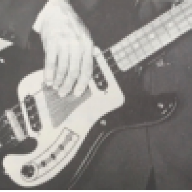
I used to be of the opinion that it didn't matter. Then I replaced my Ric bridge with a Hipshot (brass/heavy) bridge. I didn't give it any thought as I was so concerned about getting the hole drilling correct. And I didn't expect any change in tone. But from the very first time I played it I knew something was different. I kept looking at the string heights but they were the same. Everything was the same except for the new bridge. It was deeper, more sustain, it just wasn't the same as before. Call it what ya wanna but that's what happened. Yep.... surprised me too.


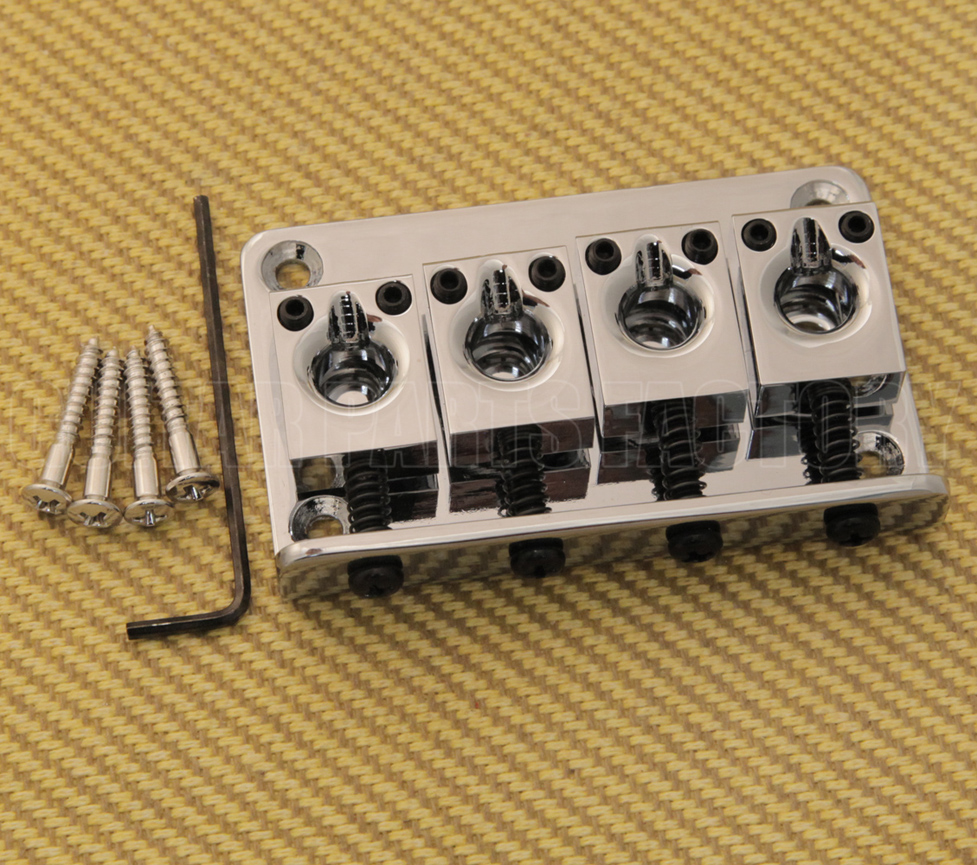
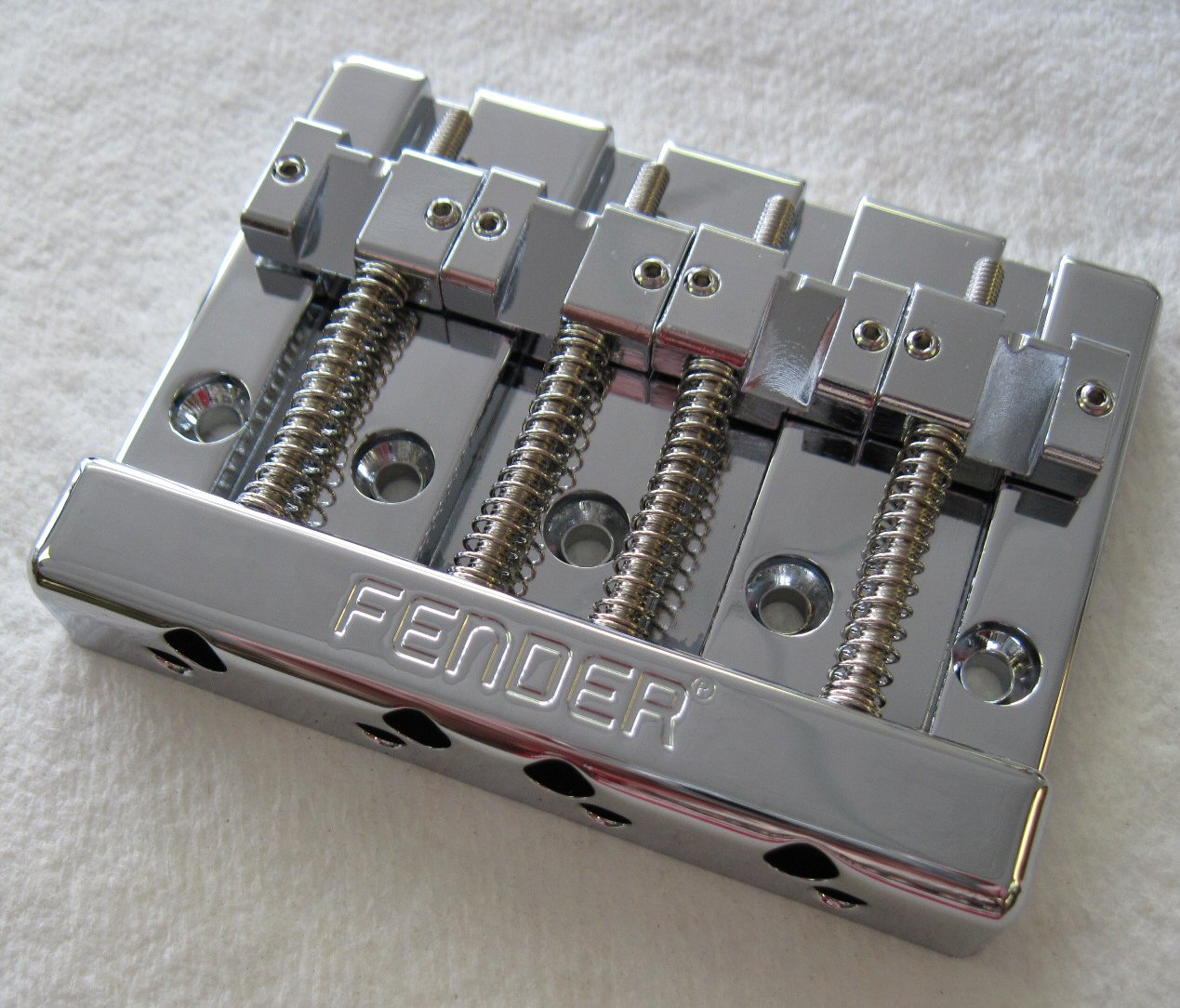


The ability to hear a difference in a blind test and pick which is which is the real question though. Then the next logical step is hearing it in a mix. Because physics is a thing of course, but the question here, and with the tonewood debates etc....is whether the difference is discernable. Extreme example is if you are playing along and a fly lands on your headstock, things have changed and the tone is impacted. But we'd all agree nobody could hear the difference. I did the same test a couple years ago and was biased going in. My roadworn P with the thin bent bridge was great, but I was 100% sure it would have even more sustain and have a better sound with a high mass bridge. So I bought 3 different ones and swapped them in and out and could hear no difference, even though I was 100% sure I would. I get it, just looking at them it seems obvious there would be a big difference in sound because they have like 3x the mass of the fender bent plate. No doubt the physics is different, but I couldn't hear it in my quiet music room, so no way would it make a difference in a real musical situation. And like I said, there was no question in my mind going in that I would get a different tone with a high mass. So the reality that it didn't change the tone in a way I could hear overcame a pretty significant bias I had going in.

Interestingly, I’ve never found a hi-mass bridge to have a significant impact on my tone, but I have managed to use hi-mass bridges to move/mitigate dead spots on two of my basses. Granted, they were mild dead spots, but by installing a hi-mass bridge I managed to competely eliminate a dead spot on one bass (or at least move it off the fretboard), and reduce one on the other to the point where it was no longer noticeable unless you know exactly what to listen for.Bass paid for my mechanical engineering degree. I am super happy to prattle on about vibrations. The tone we hear through our amplifier is the flux from metallic strings vibrating within a magnetic field. The forces that oppose that string can only transition to the neck/body via the bridge, fret, and nut. That’s it. And electromagnetic pickups don’t sense anything except flux.
From a mechanical perspective the hardware and body/neck material absolutely affect how the string is dampened. Newton settled that. Piezoelectric pickups can sense those internal forces better because that is a pressure transducer.
Ultimately every variable contributes to the decay of string vibrations. But the far majority of our tone perception regarding hardware and materials on the Newtonian opposite of the “sensed” string” is measurement with our eyes.
That’s another mega thread.Interestingly, I’ve never found a hi-mass bridge to have a significant impact on my tone, but I have managed to use hi-mass bridges to move/mitigate dead spots on two of my basses. Granted, they were mild dead spots, but by installing a hi-mass bridge I managed to competely eliminate a dead spot on one bass (or at least move it off the fretboard), and reduce one on the other to the point where it was no longer noticeable unless you know exactly what to listen for.

Companies are really missing out on the money mountain that would come with the development & manufacturing of Medium Mass bridges. And yes, they can have this idea for free. Just remember- you saw it here first, folks!




Have to respectfully disagree. I’ve installed and used: Badass, Badass II, Babicz, Gotoh, Fender and a few other high mass bridges. And I did see.
It had zero affect on tone.
Just out of curiosity, what experimental design did you use for your own testing? All the genuinely scientific studies I’m aware of agree with my own purely subjective conclusion after using my ears. Which is to say it made no difference.
I went as far as recording before and after - no difference. But for the odd times I use palm muting, they are more comfortable than BPOT.


IK, it does work, but I find it little more finicky for example getting my preferred foam into my Badass bridge bass than into my basses with a regular 'ol Fender style, as far as getting it shoved up against the saddles the way I like. Not a biggee by any means though.Two things I've learned...
1) Many people will tell you not to buy a high-mass bridge.
2) Some people don't listen to what many people say.
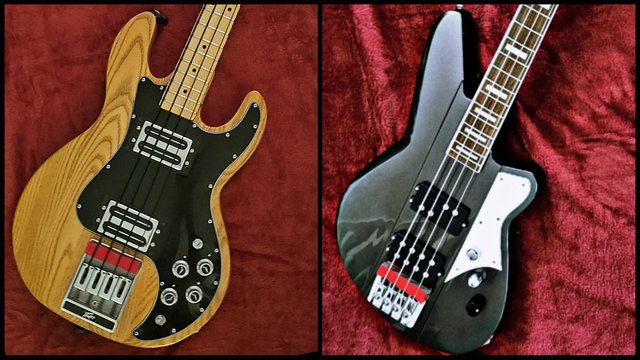

I know what you mean.IK, it does work, but I find it little more finicky for example getting my preferred foam into my Badass bridge bass than into my basses with a regular 'ol Fender style, as far as getting it shoved up against the saddles the way I like. Not a biggee by any means though.