
Enjoy the benefits of a premium membership!
Upgrade Account
-
TalkBass has been independent since 1998. Add your voice.
Create a free account to reply to discussions, view embedded media, and browse with fewer display ads.
Join free Log in
Want zero display ads or expanded classifieds tools? Compare plans.
You are using an out of date browser. It may not display this or other websites correctly.
You should upgrade or use an alternative browser.
You should upgrade or use an alternative browser.
John Deacon's PBass tone?
- Thread starter quadrogong
- Start date
More options
Who Replied?

As for live, I saw Queen waaaay back on the Sheer Heart Attack Tour---Washington DC, Kennedy Center(!). I was a wee lad, but I was rocked. Sitting very close in front of Deacon too. He had a P and an SVT. Of course in those days it was pretty much the standard live rock rig (the opener was Kansas, and Dave Hope also had a P and an SVT---prolly the same amp I expect).
Hey wait a minute, it's the standard live rig now too . . .go figure.
Talk about two P Bass players that could not have a more different tone.
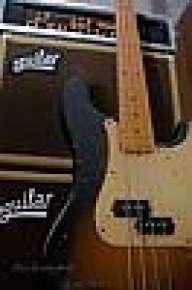
one important Deacon fact... he drives Volvo's...
ok, so I got me a Volvo but still cant get the Deacon tone, where in the chain should the Volvo go?

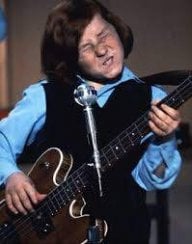
Talk about two P Bass players that could not have a more different tone.
So much for those who deem the P a one-trick pony!
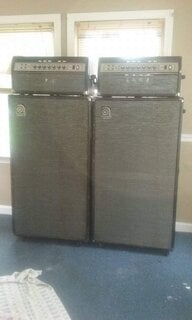
Anyone know anything about John Deacon's gear? was that a pre cbs PBass? his main bass?
i read in wikepidia that it was a '67..
how would one go about recreating that tone without spending a mint?
RI Fender? 70's Fender?
the '67 was a transitional year,they say..
was there a particular pu placement or anything different about these?
I'm looking into a Valenti custom,Sadowsky Hybrid(I like a 1.5 nut or close to it)
gonna check out Fender Japan's stuff,figure I can always upgrade the pu's,bridge..
Did he use flats on most of those classic Queen recordings?
I just listented to "The Game"..that TONE!
I always thought he had a decent generic P bass tone. He was a good player but didn't have a lot of room in that band to wander off and do his own thing, I thought he did fine within the confines of Queen. I saw them at the height of Night at the Opera and he had two P basses, one fretted and one fretless. He did switch to Musicman's later on.
Talk about two P Bass players that could not have a more different tone.
When Kansas were big their bass player was a Kramer endorser, that tone was not a P bass it was a Kramer with RW's. Kramer initially aimed at Rickenbacker players. The original version of Carry On Wayward Son on LP is much more trebly and loud in the mix than the subdued CD version you hear nowadays, at least it sounds that way to me.
When Kansas were big their bass player was a Kramer endorser, that tone was not a P bass it was a Kramer with RW's. Kramer initially aimed at Rickenbacker players. The original version of Carry On Wayward Son on LP is much more trebly and loud in the mix than the subdued CD version you hear nowadays, at least it sounds that way to me.
The tour I saw was Kansas in support of their debut album, opening for Queen, on the Sheer Heart Attack tour. P-basses all around. Dave Hope was wearing OVERALLS. I'd be willing to bet "Carry On . ." was recorded with a P, with spankin' new Roto rounds. Just my gut.
I saw them later in an arena, opening for Bad Company, and he had a Kramer. chain smoked the whole time, and had some kind of pre/power amp/PA cab looking bass rig, not unlike what Greg Lake had back in the day . .
When Kansas were big their bass player was a Kramer endorser, that tone was not a P bass it was a Kramer with RW's. Kramer initially aimed at Rickenbacker players. The original version of Carry On Wayward Son on LP is much more trebly and loud in the mix than the subdued CD version you hear nowadays, at least it sounds that way to me.
I defer to you about Dave Hope being a Kramer endorser. All I know is what I remember seeing at the time and what I read in a recent interview with Dave Hope in which he said that he played a P bass on most of Kansas early albums.
Here's one with him playing AOBTD live with a P. The are few others with him playing it live with a Stingray, but this vid also proves that his fingers do go a long way with keeping the tone:
Ooooh. I like this. John Deacon is my favourite bassist.
In an old interview (1979), he said he used Superwound strings in a light gauge. Since they don't make those anymore, you'll probably have to settle for Rotosound RS 99LD's (I want those! Grr...), or Dean Markley SR2000's.
After that, turn the bass up a little on your amp, and turn down the tone knob a bit. I found that's fairly close. It's mostly his style of playing that seems to stand out, though, more than his bass, and the mix of Queen itself. Brian May's playing is so searingly high, it leaves the bottom end very open.
In an old interview (1979), he said he used Superwound strings in a light gauge. Since they don't make those anymore, you'll probably have to settle for Rotosound RS 99LD's (I want those! Grr...), or Dean Markley SR2000's.
After that, turn the bass up a little on your amp, and turn down the tone knob a bit. I found that's fairly close. It's mostly his style of playing that seems to stand out, though, more than his bass, and the mix of Queen itself. Brian May's playing is so searingly high, it leaves the bottom end very open.

John Deacon's first bass was an Eko; he later got a Rickenbacker 4001, which is what he used for his audition for Queen, the very first concerts and the recording sessions at De Lane Lea in 1971.
When the band begun recording at Trident, he had problems with it and acquired a Fender Precision 1967 model with the silver 1966 transition logo and sunburst finish, which became his main instrument for the last concerts in 1972 and all the 1973-1975 tours. As a back-up he had another one of the same model, but with the black 1969 transition logo. Before the beginning of the 'Night At The Opera' sessions he stripped the paint off both, left them with a natural finish, and switched them; from then on the black logo one would be his main guitar for most tours and recordings.
In early 1977, Deacon got two new basses: a Fender Precision Fretless, which he used for "'39" (emulating the double bass he used in the original recording) and "My Melancholy Blues" on stage and a Music Man Stingray which he used as main for the "Day At The Races" tour and some videos. From the 'News of the World' tour up until 'The Works' tour in 1985, the Musicman would remain for just specific numbers ("Sheer Heart Attack", "Another One Bites the Dust" and "Back Chat"), and used sometimes in the studio as well. The fretless type kept being used for "'39" and "My Melancholy Blues" live until the end of the decade.
During late 1977, at the beginnings of "News of the World" tour in the States, he tried another Fender P-Bass, a 1954 Masterbuilt model, but eventually gave it up and returned to the black logo '67 model. The old Fender kept being used occasionally as back-up, in the recordings of "Coming Soon" (1979) and in the video of "Back Chat" (1982).
In 1980, Kramer made him a custom bass, which he used as back-up for some tours and in videos (e.g. "Play the Game", "Las Palabras De Amor"). Next year, Fender gave him a special prototype model which Deacon used for recording "Under Pressure" for the "Hot Space" album and performing it during the 1981-1985 period.
A new Fender P-Bass came to his hands: a red Elite 1, (The one referred to as having one switch and pickup) which he used for mimed performances, some videos and recordings (e.g. "One Vision"). In 1986, John Deacon got a Warwick Buzzard, used for some videos and mimed performances, but not on recordings. Before the Magic Tour, he refurbished and spray-painted his Precision bass black and continued using it as main instrument for several gigs (e.g. The Freddie Mercury Tribute Concert for AIDS Awareness, "No-One but You (Only the Good Die Young)").
It is believed he used flatwounds and the MM was used on Another one Bites the dust amoungst other numbers.
I play full time in a UK Queen Tribute band, and boy is John Deacon underrated. I have a Black 80's US Fender Precision and have upgraded to gold hardware to look like the black logo 67 model as was re-conditioned for the Magic Tour. I also have a 97 MM Stingray, Black Maple Neck for certain numbers and a spare Standard Fender P in butterscotch blonde.
When the band begun recording at Trident, he had problems with it and acquired a Fender Precision 1967 model with the silver 1966 transition logo and sunburst finish, which became his main instrument for the last concerts in 1972 and all the 1973-1975 tours. As a back-up he had another one of the same model, but with the black 1969 transition logo. Before the beginning of the 'Night At The Opera' sessions he stripped the paint off both, left them with a natural finish, and switched them; from then on the black logo one would be his main guitar for most tours and recordings.
In early 1977, Deacon got two new basses: a Fender Precision Fretless, which he used for "'39" (emulating the double bass he used in the original recording) and "My Melancholy Blues" on stage and a Music Man Stingray which he used as main for the "Day At The Races" tour and some videos. From the 'News of the World' tour up until 'The Works' tour in 1985, the Musicman would remain for just specific numbers ("Sheer Heart Attack", "Another One Bites the Dust" and "Back Chat"), and used sometimes in the studio as well. The fretless type kept being used for "'39" and "My Melancholy Blues" live until the end of the decade.
During late 1977, at the beginnings of "News of the World" tour in the States, he tried another Fender P-Bass, a 1954 Masterbuilt model, but eventually gave it up and returned to the black logo '67 model. The old Fender kept being used occasionally as back-up, in the recordings of "Coming Soon" (1979) and in the video of "Back Chat" (1982).
In 1980, Kramer made him a custom bass, which he used as back-up for some tours and in videos (e.g. "Play the Game", "Las Palabras De Amor"). Next year, Fender gave him a special prototype model which Deacon used for recording "Under Pressure" for the "Hot Space" album and performing it during the 1981-1985 period.
A new Fender P-Bass came to his hands: a red Elite 1, (The one referred to as having one switch and pickup) which he used for mimed performances, some videos and recordings (e.g. "One Vision"). In 1986, John Deacon got a Warwick Buzzard, used for some videos and mimed performances, but not on recordings. Before the Magic Tour, he refurbished and spray-painted his Precision bass black and continued using it as main instrument for several gigs (e.g. The Freddie Mercury Tribute Concert for AIDS Awareness, "No-One but You (Only the Good Die Young)").
It is believed he used flatwounds and the MM was used on Another one Bites the dust amoungst other numbers.
I play full time in a UK Queen Tribute band, and boy is John Deacon underrated. I have a Black 80's US Fender Precision and have upgraded to gold hardware to look like the black logo 67 model as was re-conditioned for the Magic Tour. I also have a 97 MM Stingray, Black Maple Neck for certain numbers and a spare Standard Fender P in butterscotch blonde.
AndyMan
Commercial User
So, we're pretty sure it was he used Roto flats? What gauge? Did he switch to rounds at any point?
Apparently, no one reads what I write, so I'll just quote the relevant text from the link I provided in the vain hopes that someone does:
I'm certain it only mentions Jazz 77's because he probably used them on his fretless P.
"International Musician and Recording World" Sep. 1979 said:In his choice of strings too, John remains faithful to the make which he's used from the start. There are many makes available these days, particularly for six string guitarists, but in the bass guitar field the British companies seem to rule the roost. None more so than the James How company whose work in developing strings has earned them the blessing of numerous musicians.
John is currently using their Superwound strings and is more happy to stay with the same brand. "They are the wire wound ones with just the inner cable and it only starts being wound when it gets over the bridge -- it's meant to be a bit more twangy. I use those and they're quite a nice light gauge really. I suppose I ought to use a heavier gauge at times to get more of a solid sound but I find the light gauge easier to play. I've always used them and haven't really tried others because I'm happy with the sound I get. If I wasn't I'd perhaps search and try some others."
I'm certain it only mentions Jazz 77's because he probably used them on his fretless P.


