
No , Ashdown didn’t build Tube Amps until 2011 or so.
There was a Little Stubby available as well pre XMas.
There was a Little Stubby available as well pre XMas.

TalkBass has been independent since 1998. Add your voice.
Create a free account to reply to discussions, view embedded media, and browse with fewer display ads.
Join free Log in
Want zero display ads or expanded classifieds tools? Compare plans.
Anybody know if UK Amps have a switch to work in the USA (110V)???

That, and in China “PRC”… rare bird indeed.I had absolutely no idea that Ashdown was made anywhere but in their Maldon, Essex workshops. Interesting

The USA Ashdown were built in Kentucky maybe 2005/6(?)
Anybody know if UK Amps have a switch to work in the USA (110V)???
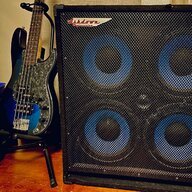
I think just the cabs were. Eminence speakers are made in Eminence, KY, which I assumed was why Ashdown cabs were made there as well.
There is also a large cab manufacturer in Cincinnati who makes lots of cabs for higher-end brands such as Aguilar and Genzler. That is about 60-90 minutes from Eminence, KY
There is a pair of USA 410s pretty local to me and very inexpensive and I'm not sure why I haven't impulse bought them yetThere’s a USA made Ashdown ABM rig for sale in NZ presently
I imagine that’s a rare bird
They tried to make a splash in the US but I think distribution got them in the endI had absolutely no idea that Ashdown was made anywhere but in their Maldon, Essex workshops. Interesting
Nice, I think the cabs that were on reverb and craigslist either got pulled or sold. They were listed for like 2 years. They were toured but still in pretty good condition. Honestly I'm so happy with the cabs I have I don't have any urge to replace them.Sorry link won’t load.
NZ Auction site selling head and cabinet
I’m not too familiar with Ashdown but understand they have a pretty good reputation. I was looking into an Aguilar DB751 for hard hitting tone with good depth, weight to the notes, and a conventional power section but new with a case it’s about $3000 and 50 lbs - more than I want to spend or lug around. I came across this ABM-750 EVO which looks quite compelling and was surprised to find very little in the way of reviews.
Ashdown ABM-750 EVO V 750-watt Bass Amp Head
A price of $1700 and weight of 29 lbs is more reasonable so I’m curious if this would deliver the goods through an 800 watt 4-ohm GK NeoIV 212 cab for rock, country, and blues? The cab is compact but very solid and loud with stout drivers. The output section of this amp appears to have a pair of beefy power transistors with large heat sinks and big capacitors. I didn’t see anything descriptive in the manual but is this an A/B output section? I’ve got some excellent Class D amps but wondered if a good “lead sled” with tube overdrive and sub-harmonic generator in the pre-amp and this beefy output section might provide a bit more depth and weight to the notes from this cab?



