A builder that sells work from others is a reseller, and as such will ALWAYS pay a lower price to the original builder than the final client, he also wants to make a profit and will prefer to go as low as possible to pay to the original builder.
If you want to make a profit, sell your stuff directly to the final clients.
Actually he takes the work of others on consignment. The builder sets the price and he marks that up 20% to 25% to get the final selling price. he pays nothing until the piece is sold. then he pays the agreed to price to the builder. A builder can have as many pieces in the store as they want, within space limitations. but must agree to build a custom piece within a reasonable time when there is a customer request.
Like a customer wanting Seymour-Duncan Pickups instead of EMG. or a specific body wood substitution, or perhaps a tobacco burst finish (although almost all of the instruments he sells have natural finishes. Even battery compartments are hidden by well fitted wood covers that match the bodies rather than a plastic battery case showing. there are no plastic nuts here, and very rarely a plastic pickguard,) These are the things that prompt me say that there is a big difference in quality between these instruments and factory made instruments. and while 180 grit sandpaper is considered fine sanding on factory instruments, we always sand to 400 grit or higher. This reputation for quality gives him incentive to sell at a higher price. And to help me develop. The more good builders he gets the more he can grow the business.
The reasons he said he wouldn't sell it for more than $200 were:
- He has a reputation. and thought the quality was not up to that. it wasn't.
- He was trying to get me to realize that almost good is as bad as terrible. In custom work everything must be virtually perfect. he also saw that while i had flaws, there were other things that i did quite well. He is especially impressed with my many unique and beautiful designs. So it was motivation for me to push the envelope.
- He has limited space for guitars. He wants the best stuff he can get to fill the space. I do have an advantage here though in that all the other builders focus on 6-string guitars. They prefer to not work on basses.
In truth he would have taken the piece at whatever price i wanted, but he didn't think anyone would want it at more than a factory guitar cost because there were flaws.
He also offered to teach me anything i need help with. And, in fact he is who taught me to shape a neck using only hand tools, primarily planes and files. and he taught me how to do inlays, and how to cut the nut grooves for the lowest possible setup without fret buzz, and why the neck scarfing is 17degrees rather than 15. I am virtually an apprentice there.
No, He is not a "reseller"! Since he works on a percentage it is in his best interest for me to be as good as the others who sell through his shop.
Members of this group often enter their work in various shows and competitions, and this is all good advertising for the whole group.
With this way of doing business everyone benefits by every one else being the best they can be. And i have a distinct advantage in that I am the only one who prefers to build basses. the others would be glad to have me build enough basses that they don't need to bother with them. Also bass components cost more than the standard guitar equivalents, so as i progress, my work could become the most expensive items in the store.
But i needed to improve to their level, fast! and they are helping me do that.



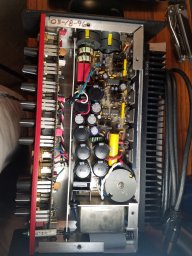

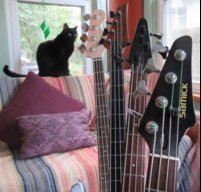

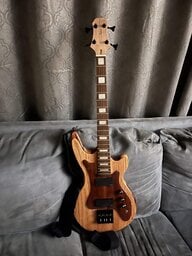


 and make it look nice.


