No but we always have fish sticks in the freezer.Do you have 'bee's dick' as a unit of measure?


TalkBass has been independent since 1998. Add your voice.
Create a free account to reply to discussions, view embedded media, and browse with fewer display ads.
Join free Log in
Want zero display ads or expanded classifieds tools? Compare plans.
No but we always have fish sticks in the freezer.Do you have 'bee's dick' as a unit of measure?
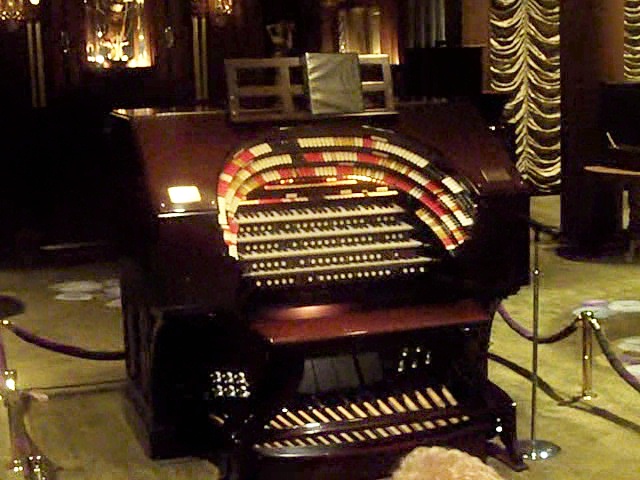
Oh great, first we had "Thunderbird Thursdays", then "Kitty Cat Fridays", followed by "Silly Dog Sundays", and now we apparently have "Show Your Organ Wednesdays".When this thing worked, I ran it through a Leslie simulator. You couldn't tell it wasn't a B3/Leslie set-up. It also has piano, vibes , harpsichord and other sounds. It's portable in that it only took 2 strongish guys to move.
View attachment 3390235
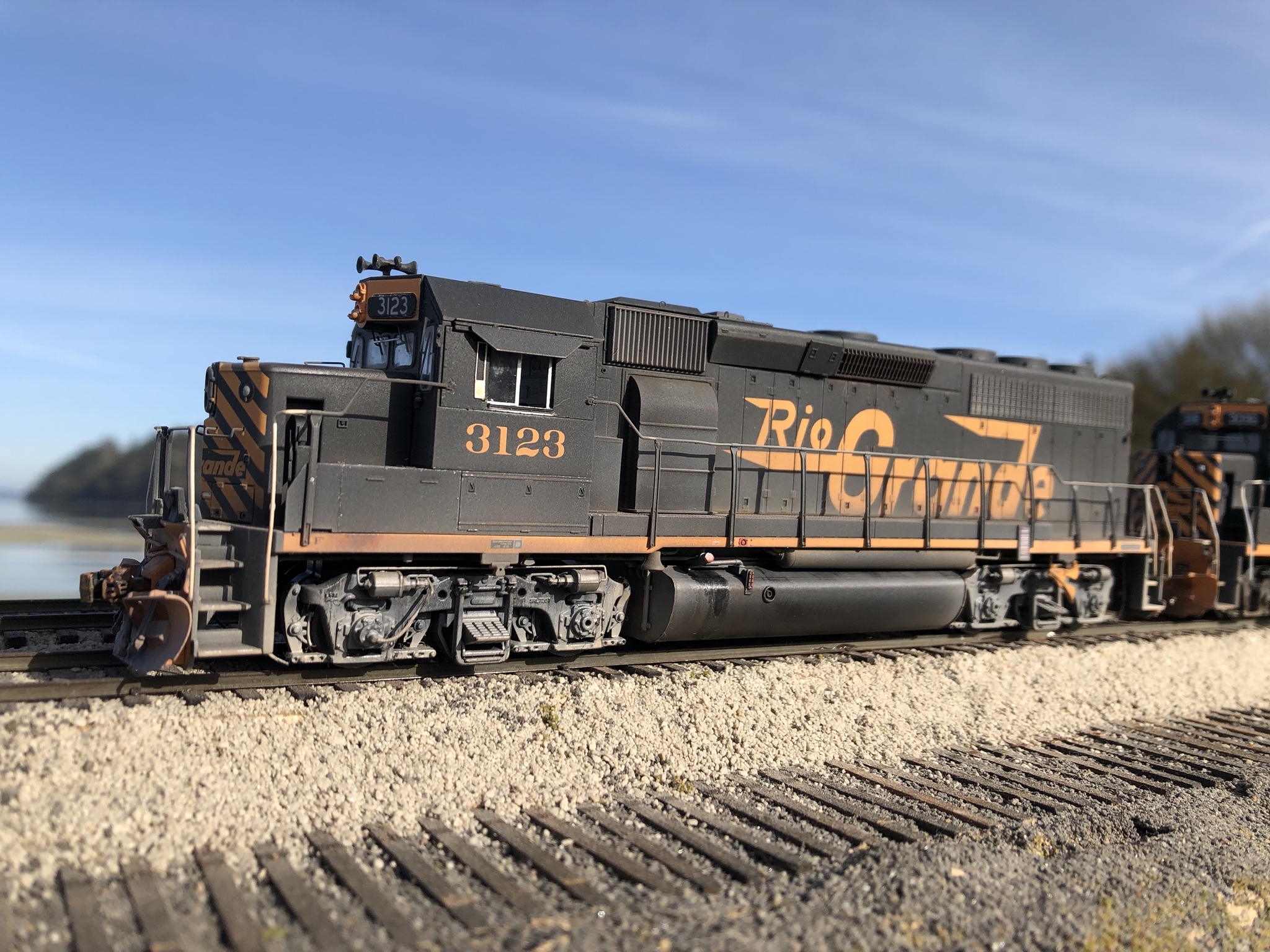
You're late, Train Track Tuesday was a couple of days ago. Try to keep up please.Thunderbird Thurs..... d'oh.
I'll be back later. Wrong forum

Just because we like to welcome all potential club members (and also because it's bass cleaning day) I'll post some neck cross section and thickness measures for you in a couple of hours.Question for all you Thunderbirders!
I've started gassing for one, and would love to add an Epiphone Thunderbird to my stable. I play P basses and Stingrays, and I prefer the slightly wider necks to those of a jazz bass.
I understand only the standard bolt on Epiphone Thunderbirds have the wider neck, while Classic Pro and Vintage Pro have 1.5" jazz like neck width.
Even still, I take it both Classic and Vintage are a better choice for that rocking classic Thunderbird tone, and probably have better QC and quality in general? Best thing would be to try them all I suppose, but that might not be possible that soon.

My StingRay NT’s neck is wider than my 61 P-Bass, but you’d never guess because it’s a lot thicker, it feels more proportional... ahem.Just because we like to welcome all potential club members (and also because it's bass cleaning day) I'll post some neck cross section and thickness measures for you in a couple of hours.
I have a 1978 Stingray, 1968 P Bass, Epiphone Goth Thunderbird bolt on, Gibson Thunderbird neck through and an Epiphone Thunderbird VP neck through. Measurements will be nut width, heel width at the last fret, 12th fret width and thickness at the 12th fret.
Stay tuned.
Film at 11?Just because we like to welcome all potential club members (and also because it's bass cleaning day) I'll post some neck cross section and thickness measures for you in a couple of hours.
I have a 1978 Stingray, 1968 P Bass, Epiphone Goth Thunderbird bolt on, Gibson Thunderbird neck through and an Epiphone Thunderbird VP neck through. Measurements will be nut width, heel width at the last fret, 12th fret width and thickness at the 12th fret.
Stay tuned.

Never heard of that one. Maybe it's a Brit thing. I tune new strings F, Bb, Eb, Ab and let 'em sit overnite.I could ask this in gen pop, but I'd rather ask you guys. I like to watch some of Scott's, from Scott's Bass Lessons, videos. No lessons, but some other fun stuff. He happened to mention something you should do when changing strings that made sense, but I'd never heard it before. Once it's tuned up, he said to push down on the string just in front of the bridge saddle, to create a sharper angle at the saddle. So I was setting intonation after I changed the strings last time, and once I had it in tune open and at 12, I pushed down the string, and it went flat again at the 12th fret. This happened a few times. I can't see it being a good thing to keep creating another break angle by pushing down the string, so I assume you only do that once, but then after you readjust the intonation, that break angle will now be behind the saddle, or possibly even weirder, in front. So this is now confusing.
Thoughts?

I'd go ahead and ignore that.I could ask this in gen pop, but I'd rather ask you guys. I like to watch some of Scott's, from Scott's Bass Lessons, videos. No lessons, but some other fun stuff. He happened to mention something you should do when changing strings that made sense, but I'd never heard it before. Once it's tuned up, he said to push down on the string just in front of the bridge saddle, to create a sharper angle at the saddle. So I was setting intonation after I changed the strings last time, and once I had it in tune open and at 12, I pushed down the string, and it went flat again at the 12th fret. This happened a few times. I can't see it being a good thing to keep creating another break angle by pushing down the string, so I assume you only do that once, but then after you readjust the intonation, that break angle will now be behind the saddle, or possibly even weirder, in front. So this is now confusing.
Thoughts?
Oh, lest I forget, into this(Peavey KB-300)When this thing worked, I ran it through a Leslie simulator. You couldn't tell it wasn't a B3/Leslie set-up. It also has piano, vibes , harpsichord and other sounds. It's portable in that it only took 2 strongish guys to move.
View attachment 3390235

Really? Why do you do that? I haven't heard of that either. Maybe it's a Florida thing.Never heard of that one. Maybe it's a Brit thing. I tune new strings F, Bb, Eb, Ab and let 'em sit overnite.
Ignore what, making that break angle?I'd go ahead and ignore that.
Sorry, yes. See my edit above...Ignore what, making that break angle?
Stretches them. After a few hours they're only slightly #.Really? Why do you do that? I haven't heard of that either. Maybe it's a Florida thing.
Oh. I just tune them, then stretch them by pulling up, retune, rinse and repeat until they stay in tune after stretching it.Stretches them. After a few hours they're only slightly #.
Yeah, I do the pull-ups b4 the tuning"up".Oh. I just tune them, then stretch them by pulling up, retune, rinse and repeat until they stay in tune after stretching it.
I could ask this in gen pop, but I'd rather ask you guys. I like to watch some of Scott's, from Scott's Bass Lessons, videos. No lessons, but some other fun stuff. He happened to mention something you should do when changing strings that made sense, but I'd never heard it before. Once it's tuned up, he said to push down on the string just in front of the bridge saddle, to create a sharper angle at the saddle. So I was setting intonation after I changed the strings last time, and once I had it in tune open and at 12, I pushed down the string, and it went flat again at the 12th fret. This happened a few times. I can't see it being a good thing to keep creating another break angle by pushing down the string, so I assume you only do that once, but then after you readjust the intonation, that break angle will now be behind the saddle, or possibly even weirder, in front. So this is now confusing.
Thoughts?

He's nuts.
Good enough.He's nuts.
 Thanks.


