I think you meant electrolytic. Any film caps should be fine.Likely close to a Fender circuit.
Also likely every film cap (if original) is leaking. …and further likely it’ll sound pretty good with new caps.

Enjoy the benefits of a premium membership!
Upgrade Account
-
TalkBass has been independent since 1998. Add your voice.
Create a free account to reply to discussions, view embedded media, and browse with fewer display ads.
Join free Log in
Want zero display ads or expanded classifieds tools? Compare plans.
You are using an out of date browser. It may not display this or other websites correctly.
You should upgrade or use an alternative browser.
You should upgrade or use an alternative browser.
What's On Your Workbench?
- Thread starter HaMMerHeD
- Start date
More options
Who Replied?
I meant film. Every Japanese amp I’ve worked on from this period was loaded with film caps that leaked DC like crazy. The electrolytics were usually fine or, at least, not too bad.I think you meant electrolytic. Any film caps should be fine.
It’s the opposite of what one would expect, but it’s what I’ve encountered.
I’m not sure what dielectric was being used in caps at the time but I’ve also run into several US brands from the same era that almost always leak; Aerovox and Sangamo spring to mind. I’m sure they were in spec when they were manufactured but they didn’t age well.
Moral of the story: always test. Not all electrolytic capacitors need to be replaced and not all film caps last forever.
I've never found a film cap leaky. Many foil caps, but no films, especially the foil/oil caps. But yes, if using scrounged or used parts, test first.I meant film. Every Japanese amp I’ve worked on from this period was loaded with film caps that leaked DC like crazy. The electrolytics were usually fine or, at least, not too bad.
It’s the opposite of what one would expect, but it’s what I’ve encountered.
I’m not sure what dielectric was being used in caps at the time but I’ve also run into several US brands from the same era that almost always leak; Aerovox and Sangamo spring to mind. I’m sure they were in spec when they were manufactured but they didn’t age well.
Moral of the story: always test. Not all electrolytic capacitors need to be replaced and not all film caps last forever.
Oh, yeah…. vintage foil/oil are typically bad news.I've never found a film cap leaky. Many foil caps, but no films, especially the foil/oil caps. But yes, if using scrounged or used parts, test first.
Once a signal cap is sealed it can be pretty hard to know for sure what the internal construction is. It might very well be that those ‘60s/early ’70s Japanese caps are actually foil/oil. I’ve never cut one open. All I know is I’ve had more fail than not. I’ve always assumed they were film but I’ve been wrong before.

I talked to “my” tech guy today. He said that it was closer to an Ampeg B15 amp. He’s looking forward to get it going, while I work on the case refurbishing.Likely close to a Fender circuit.
Also likely every film cap (if original) is leaking. …and further likely it’ll sound pretty good with new caps.
I’m happy so far by just chatting with him!
It’s in Maumee, OH…on its way to Michigan.
edit: Rescue vintage bass head from the 60’s
Last edited:
He’s right. Baxandall tone stack - Ampeg all the way. That’s a nice find!I talked to “my” tech guy today. He said that it was closer to an Ampeg B15 amp.

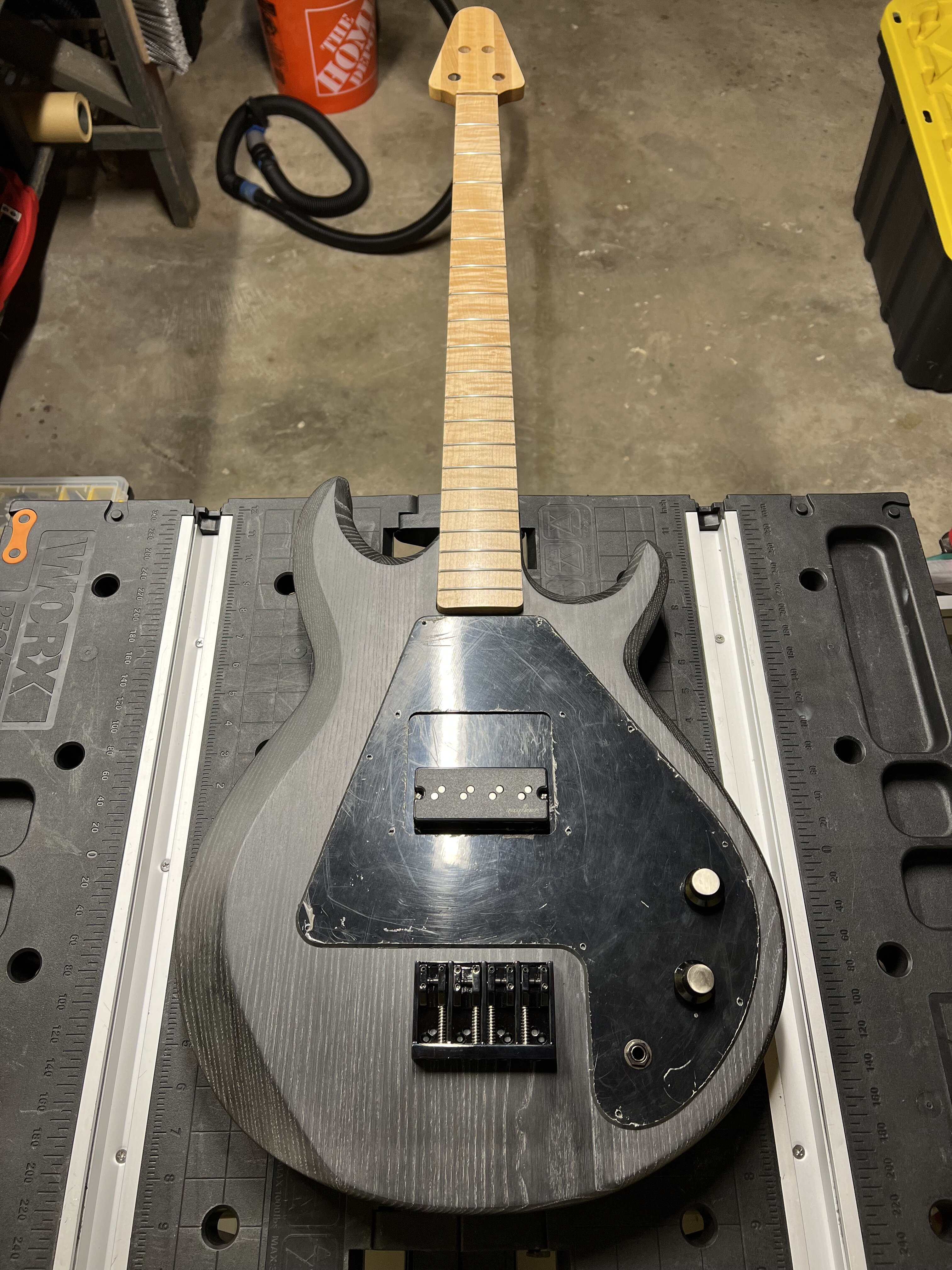
Got this thing nearing the finish line. Used Rubio for the finish - a first for me - and I really like how it came out. Need to figure out how to mount the pickup now. Had an idea, and it didn’t work. Plan B now. Or C. Or D….Until it works right!

Last year I built an acoustic Mandola during the summer build off. I used a bit of old shoelace to connect the tailpiece to the end pin. I remember there was some joking going on about the tap testing of shoelaces.
But recently the shoelace broke.

So I bought some serious nylon cord, and repaired the Mandola.
Hopefully this'll last longer.


But recently the shoelace broke.
So I bought some serious nylon cord, and repaired the Mandola.
Hopefully this'll last longer.
It's a start... while the amp is at the tech.

Trouble in paradise:
This rather handsome 36-year-old hasn’t had a good setup in several years and is now showing some significant forward bow. A real shame considering it’s in otherwise wonderful condition.
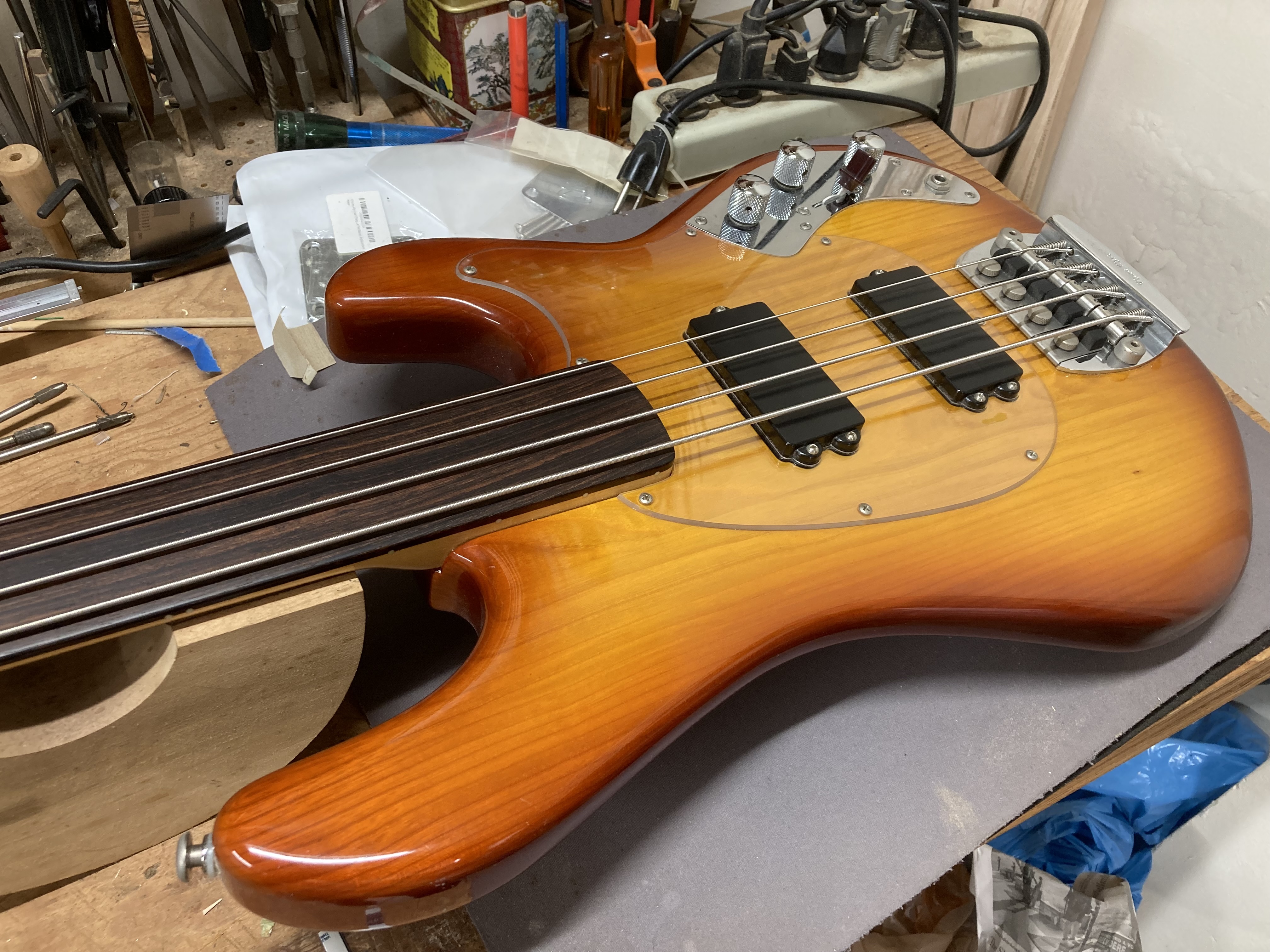
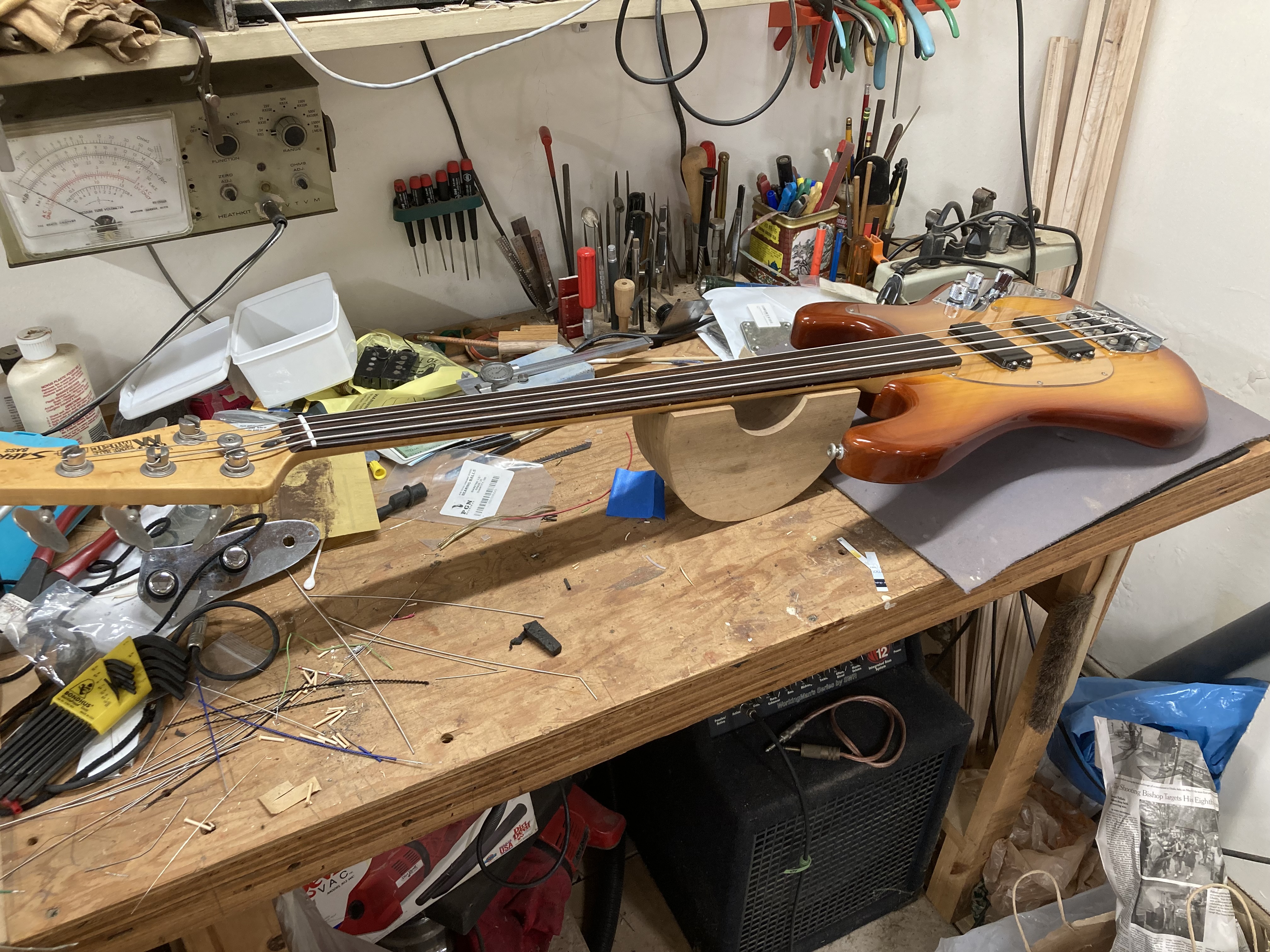
With the rod fully relaxed the board is far from straight:
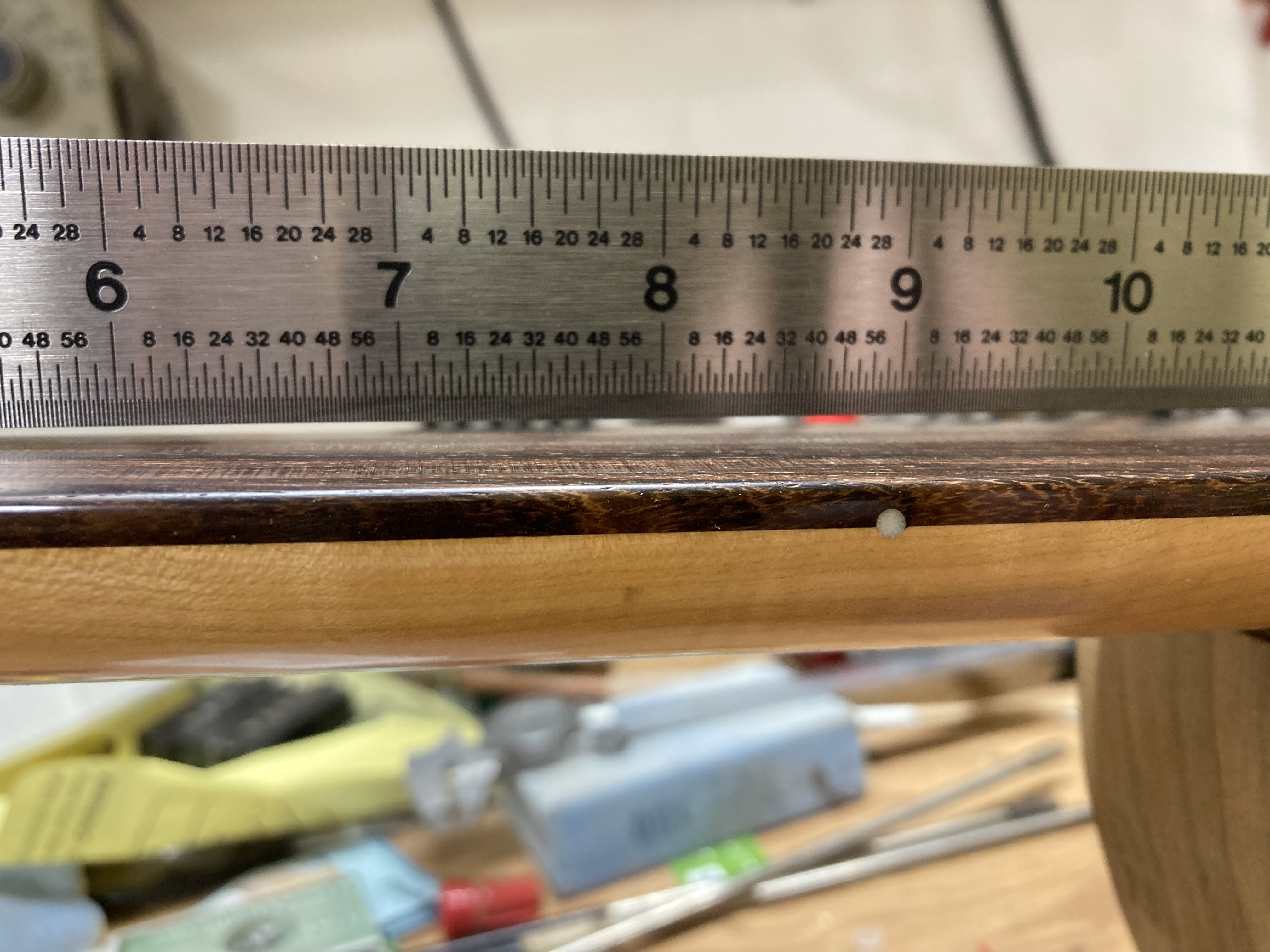
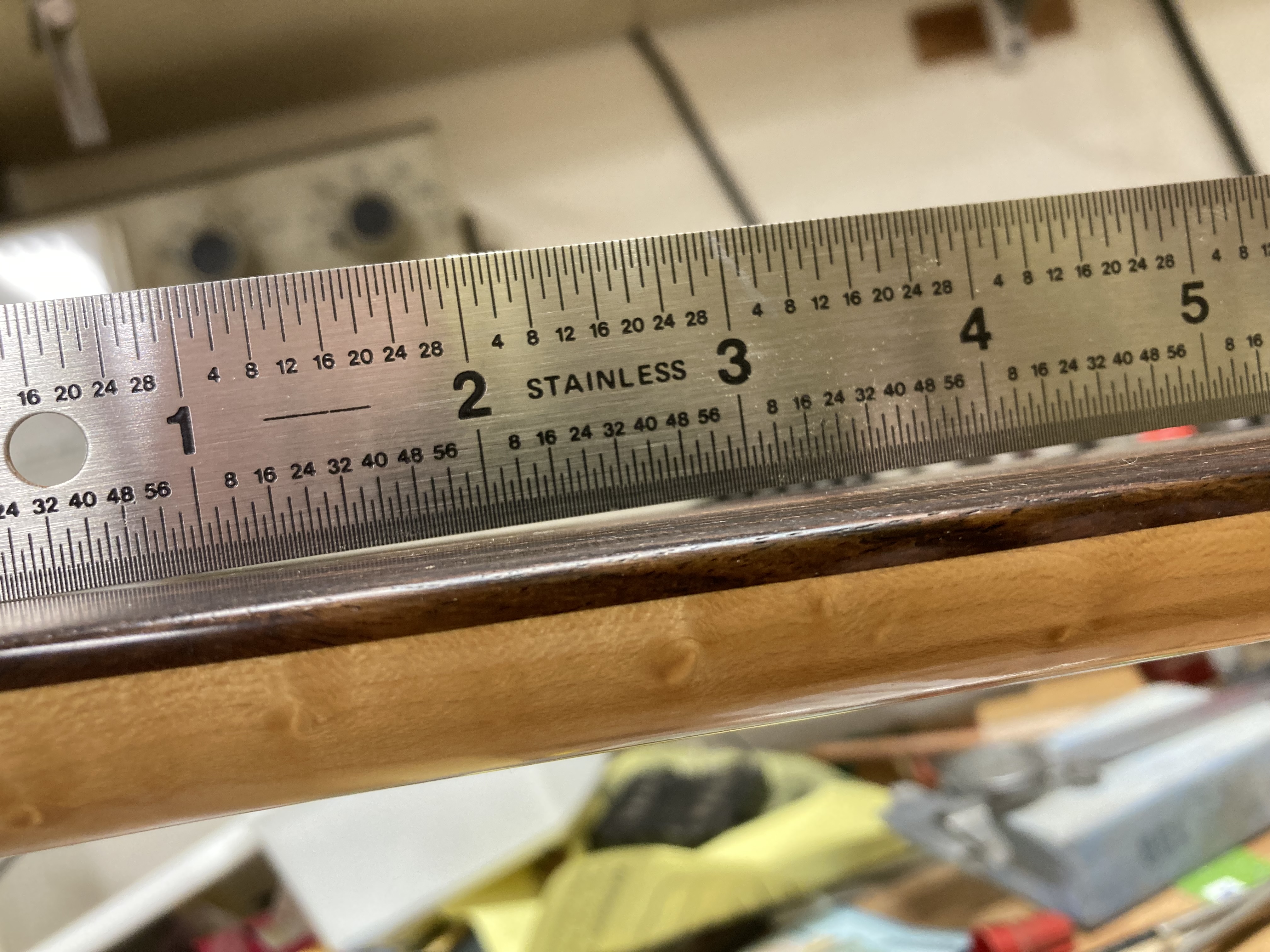
To make matters worse, it appears the board left the factory with a bit of scoop planed into the board in the first couple of positions, as you might find on an upright bass. That’s something I never noticed on this bass before despite owning it for a pretty long time.
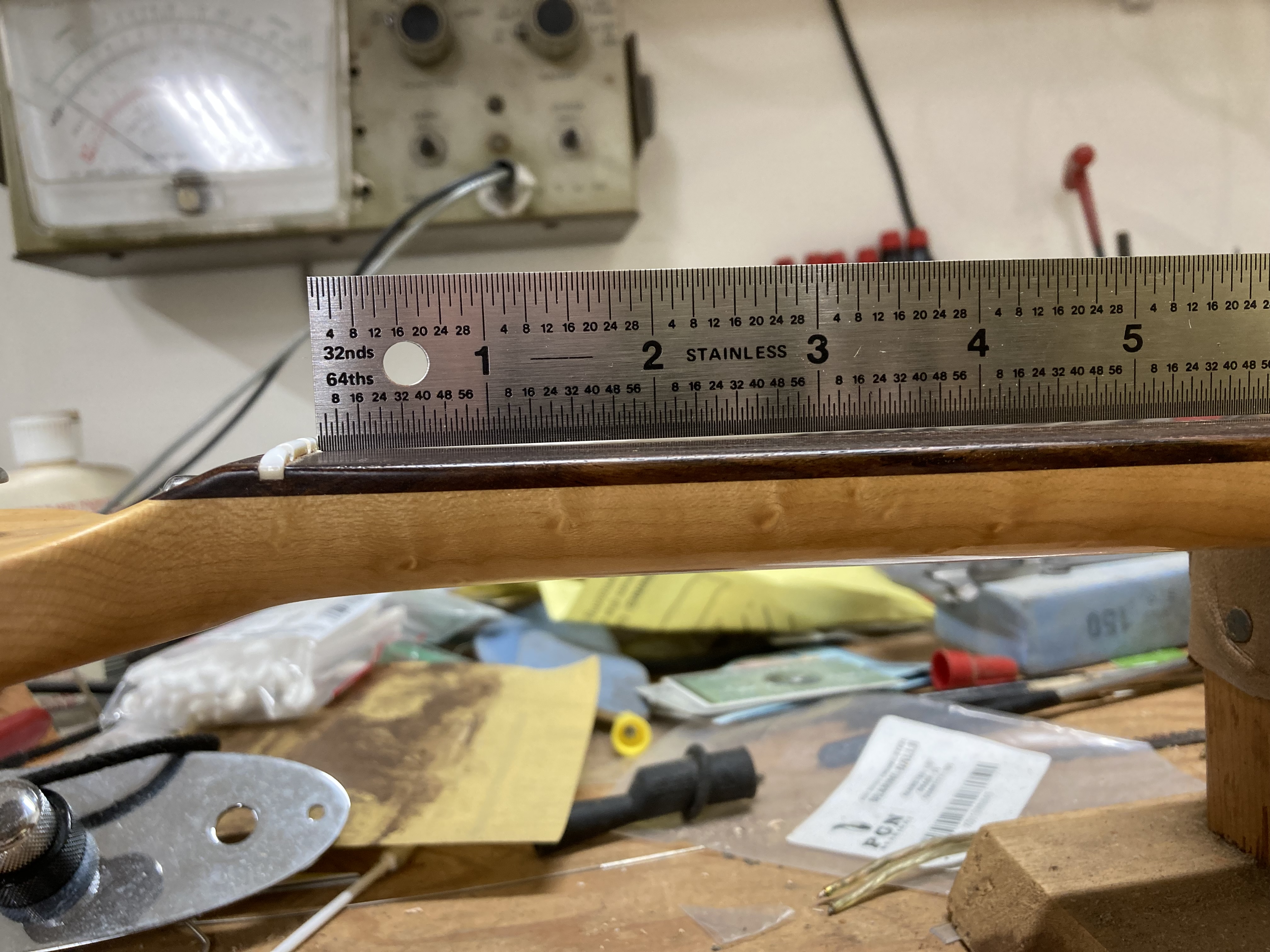
This isn’t a project I really have time to take on right now. The truss rod is still functioning well and maxing it out (or, at least, going as tight as I’m willing to go) got things very close to where I would normally put them. The board has just a tiny bit more relief than I’d like and the action is only slightly higher than where I’d normally put it:
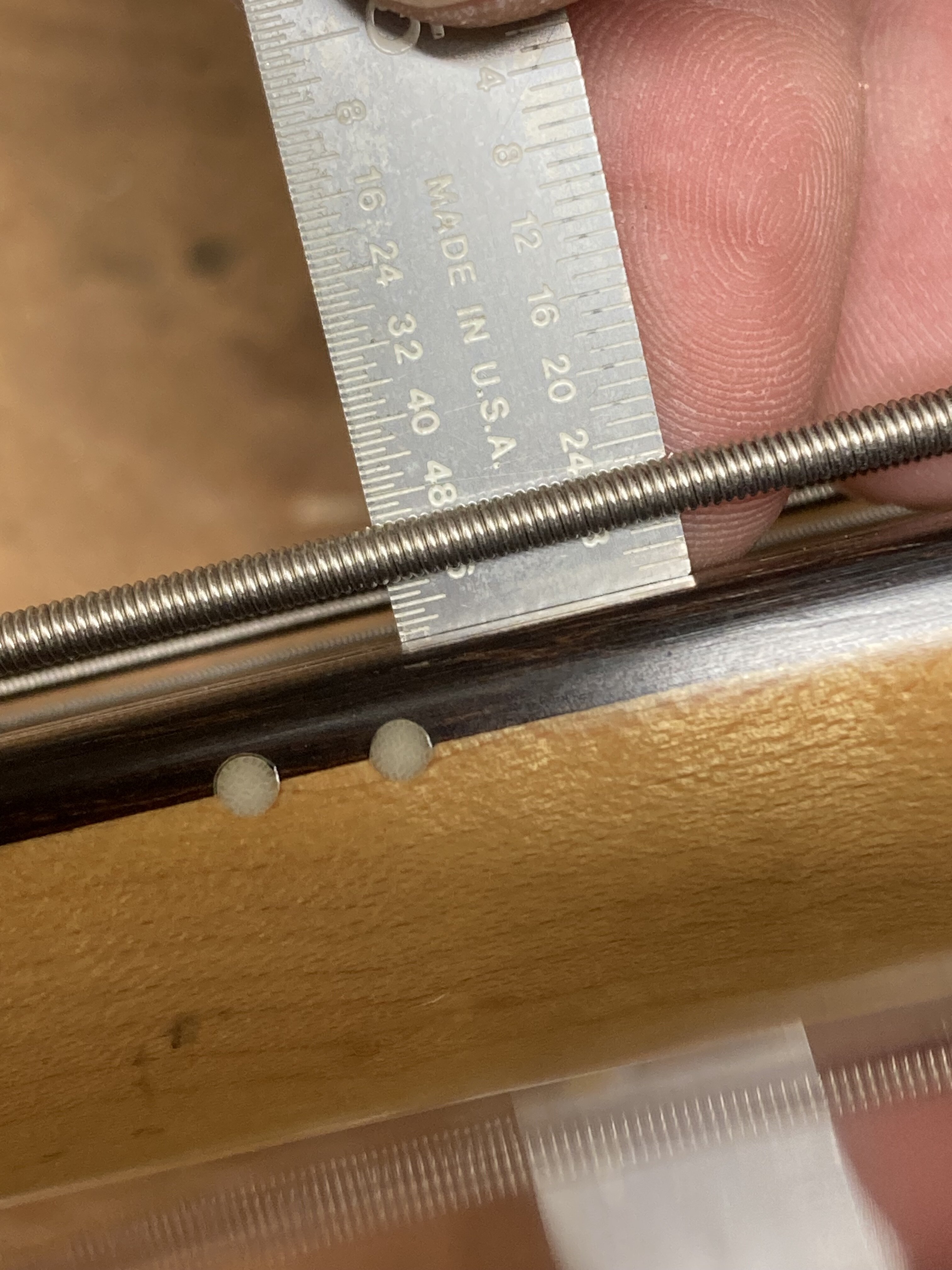
This buys me a little bit of time but it’s hardly a permanent solution; A bass shouldn’t be living with its truss rod all the way at the extent of its travel.
This leaves me with some thinking to do. Do I heat set it? Level the board? A combination of the two?
I’ll probably attempt a heat set first. You can’t always count on that working anyway and it doesn’t remove any wood so it seems like the logical place to start. I’ve had pretty good luck with it a few times in the past.
Even if that works, I’ll still need to level the board near the nut and there’s the very beginning of a ski jump which I can pull out of there at the same time. Heat or not, leveling will still be in order. The good thing is there’s plenty of meat on that fingerboard for leveling. I’ve also been drifting towards lighter string sets and that will help, too.
I guess I’ll have to see when I’ll have time to address this. *sigh*
This rather handsome 36-year-old hasn’t had a good setup in several years and is now showing some significant forward bow. A real shame considering it’s in otherwise wonderful condition.
With the rod fully relaxed the board is far from straight:
To make matters worse, it appears the board left the factory with a bit of scoop planed into the board in the first couple of positions, as you might find on an upright bass. That’s something I never noticed on this bass before despite owning it for a pretty long time.
This isn’t a project I really have time to take on right now. The truss rod is still functioning well and maxing it out (or, at least, going as tight as I’m willing to go) got things very close to where I would normally put them. The board has just a tiny bit more relief than I’d like and the action is only slightly higher than where I’d normally put it:
This buys me a little bit of time but it’s hardly a permanent solution; A bass shouldn’t be living with its truss rod all the way at the extent of its travel.
This leaves me with some thinking to do. Do I heat set it? Level the board? A combination of the two?
I’ll probably attempt a heat set first. You can’t always count on that working anyway and it doesn’t remove any wood so it seems like the logical place to start. I’ve had pretty good luck with it a few times in the past.
Even if that works, I’ll still need to level the board near the nut and there’s the very beginning of a ski jump which I can pull out of there at the same time. Heat or not, leveling will still be in order. The good thing is there’s plenty of meat on that fingerboard for leveling. I’ve also been drifting towards lighter string sets and that will help, too.
I guess I’ll have to see when I’ll have time to address this. *sigh*
Last edited:
- Jul 1, 2005
- 4,291
- 21,932
- 79
- Disclosures
- CataldoBasses: Designer/Builder ThunderBuckerPickups:Consultant
Trouble in paradise:
This rather handsome 36-year-old hasn’t had a good setup in several years and is now showing some significant forward bow. A real shame considering it’s in otherwise wonderful condition.
This buys me a little bit of time but it’s hardly a permanent solution; A bass shouldn’t be living with its truss rod all the way at the extent of its travel.
This leaves me with some thinking to do. Do I heat set it? Level the board? A combination of the two?
I’ll probably attempt a heat set first. You can’t always count on that working anyway and it doesn’t remove any wood so it seems like the logical place to start. I’ve had pretty good luck with it a few times in the past.
Even if that works, I’ll still need to level the board near the nut and there’s the very beginning of a ski jump which I can pull out of there at the same time. Heat or not, leveling will still be in order. The good thing is there’s plenty of meat on that fingerboard for leveling. I’ve also been drifting towards lighter string sets and that will help, too.
I guess I’ll have to see when I’ll have time to address this. *sigh*
Beautiful bass!
Maybe add a washer or two in front of the Truss rod nut and see if that helps. It's not uncommon to run out of threads when wood fibers compress. That's why Fneder sells these.
Link Removed
Does MM? If not you can drill out the threads on a TR nut and slice off a spacer.
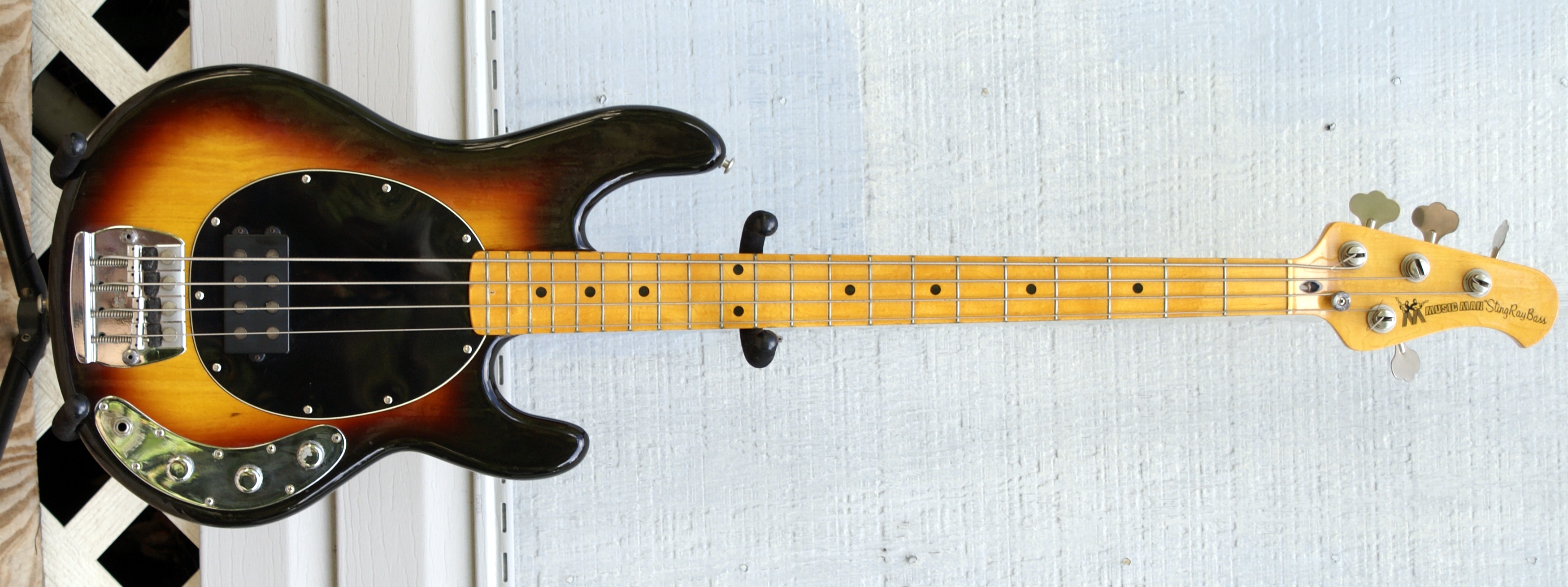
In 1982 I replaced the truss rod in my '76 StingRay. Looking back it probably snapped because I ran out of threads. My first major repair.
It's been fine ever since - all 12 lbs of it. That's why it's lived under a bed most of its life.
Last edited:

Randomly got the idea to do a thumbrest bar for my Roscoe, and just went for it over the last day or two. I’ve never really messed with shaping aluminum to make even simple parts, and I didn’t want to get too sidetracked on a YouTube rabbit hole, so I’m sure I did some dumb and relatively dangerous things.. certainly a new gross mess to have aluminum flakes and micro dust everywhere.
I used a router and a bunch of sanding and files.


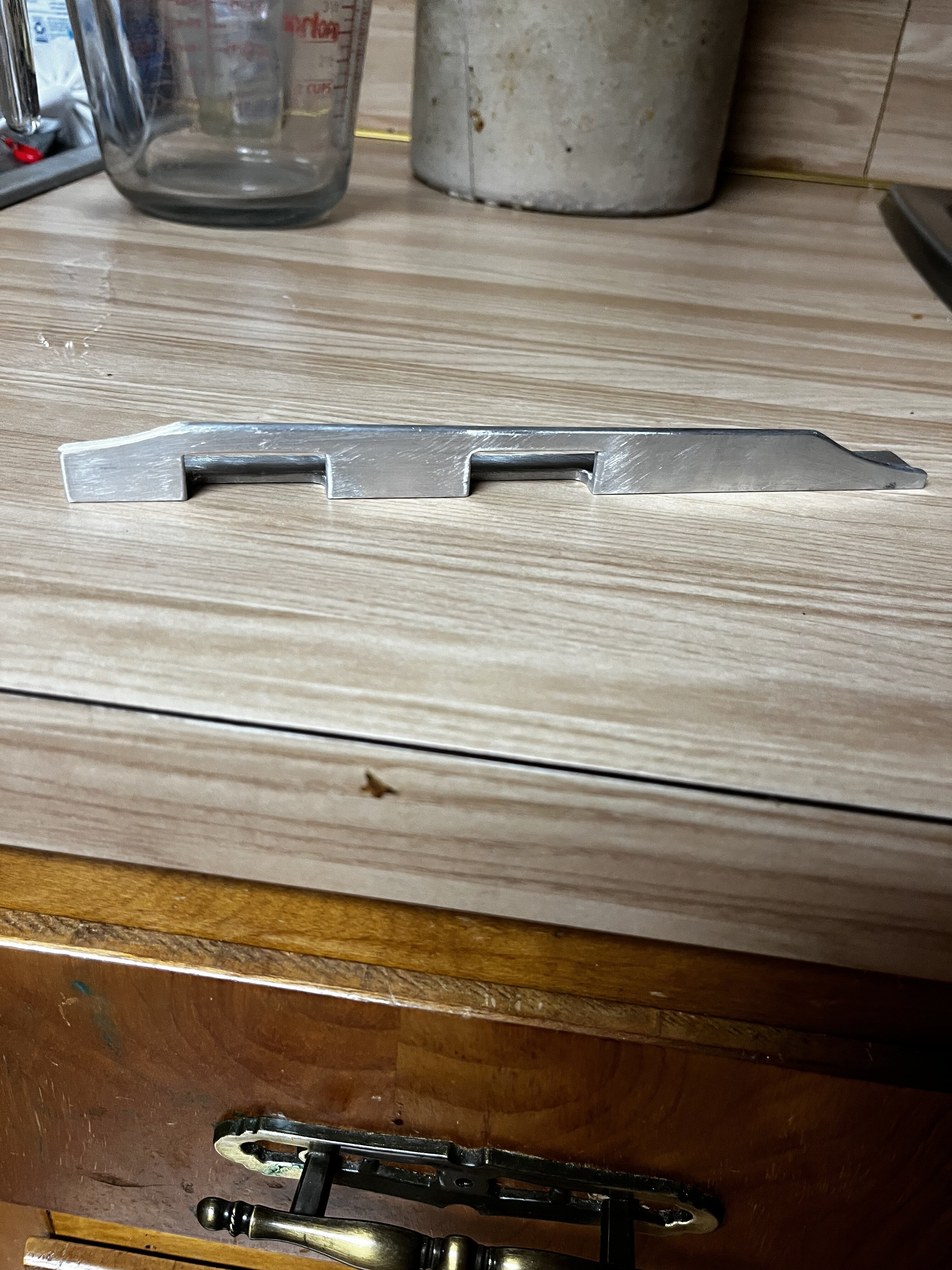
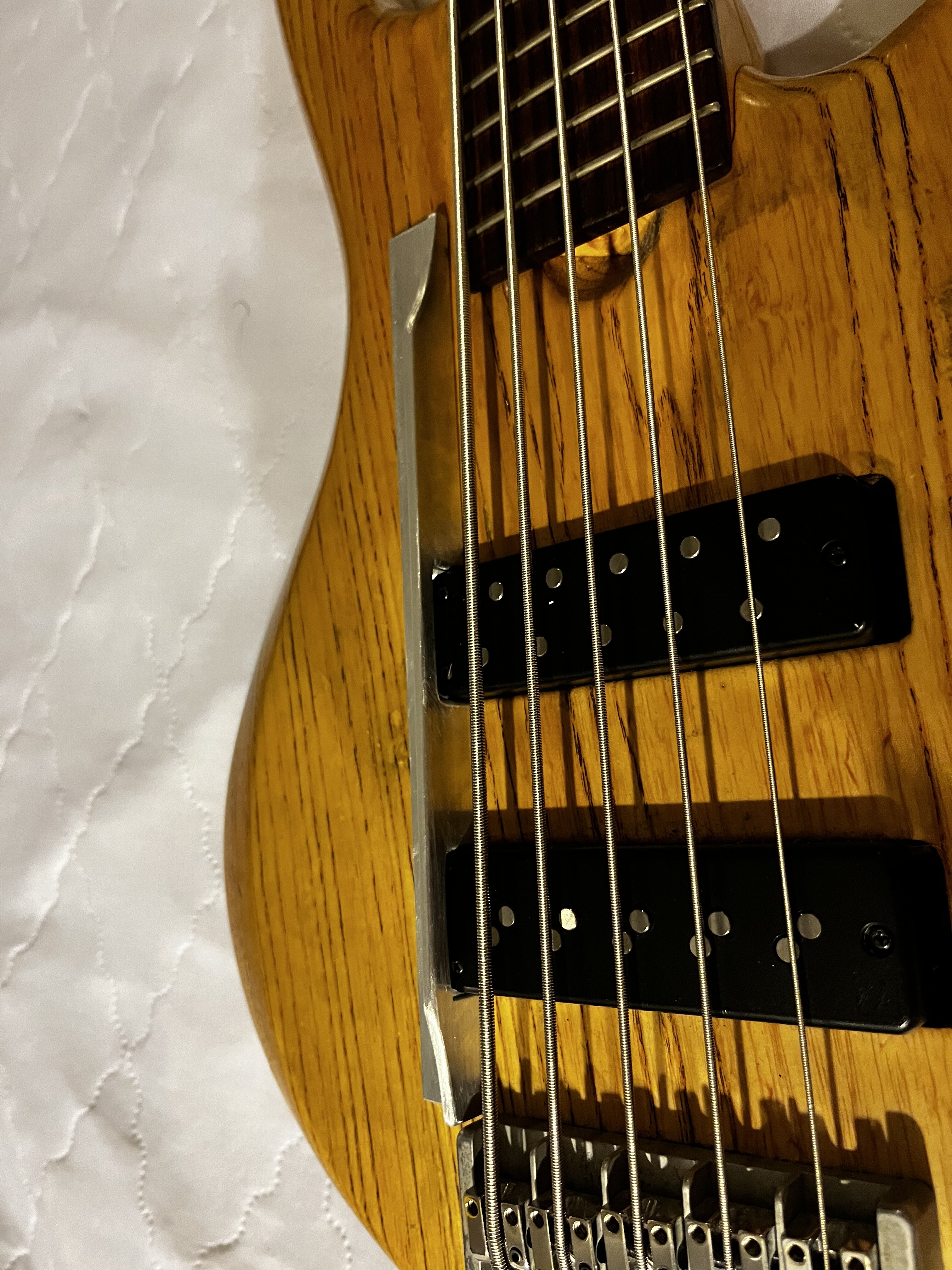

I’ll be shaping the flat-bottom portion too..
then I’ll see how well I can do making the surface nice and uniform, and then work it to a nice even satin to fit in with everything else.
I used a router and a bunch of sanding and files.
I’ll be shaping the flat-bottom portion too..
then I’ll see how well I can do making the surface nice and uniform, and then work it to a nice even satin to fit in with everything else.
Last edited:
A washer or two would probably help (I get mine from McMaster-Carr rather than Fender but it’s the same washer) but I’m going to need to dress this board some anyway so I should really just make it right. It’s fine for now, though.Beautiful bass!
Maybe add a washer or two in front of the Truss rod nut and see if that helps. It's not uncommon to run out of threads when wood fibers compress. That's why Fneder sells these.
Link Removed
Does MM? If not you can drill out the threads on a TR nut and slice off a spacer.
In 1982 I replaced the truss rod in my '76 StingRay. Looking back it probably snapped because I ran out of threads. My first major repair.
It's been fine ever since - all 12 lbs of it. That's why it's lived under a bed most of its life.
Checking real estate for a build.
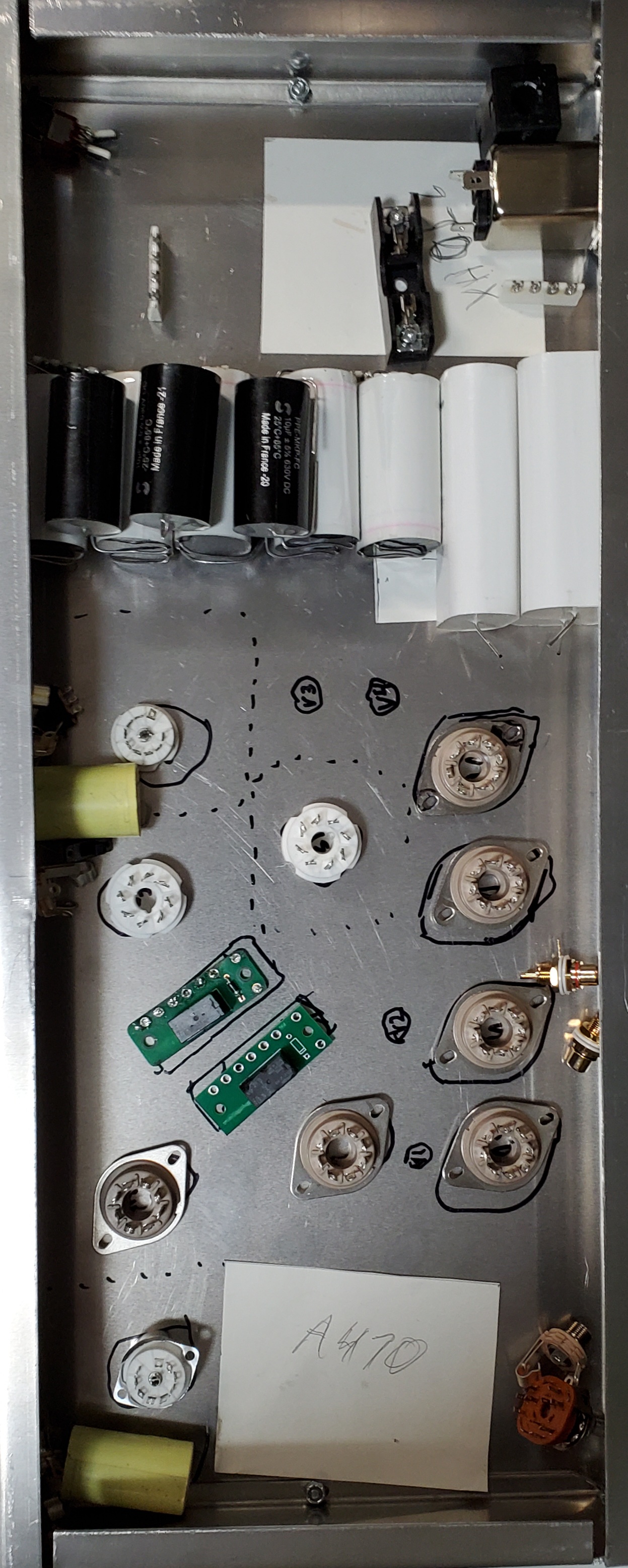
I got this for free, unexpectedly. Now I have to figure out what it does, and how to work with it. It looks like it can make very straight cuts, which will be useful on my next build.


View attachment 5210442
I got this for free, unexpectedly. Now I have to figure out what it does, and how to work with it. It looks like it can make very straight cuts, which will be useful on my next build.
Yes, it’s a track saw and the Festool ones are the nice ones. Expensive to, at least here in the states. The saw will cut a very precise line along the edge of the track.


