
Sounds like a "luthiergeist" to me...Did gremlins already do this while I was sleeping?

TalkBass has been independent since 1998. Add your voice.
Create a free account to reply to discussions, view embedded media, and browse with fewer display ads.
Join free Log in
Want zero display ads or expanded classifieds tools? Compare plans.
Sounds like a "luthiergeist" to me...Did gremlins already do this while I was sleeping?
Where do you get your gremlins? I could use a half dozen!Well, I went to do that this morning, and it was already flat. Did gremlins already do this while I was sleeping?

Where do you get your gremlins? I could use a half dozen!
Any big humidity changes where you are lately? Only explanation I can think of.

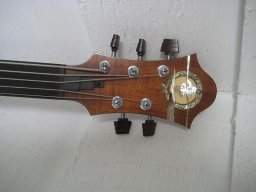
If your bass was in Florida with 75% humidity on Monday and then Phoenix on Wednesday with 20% humidity, that might be the answer.Strange experience this morning. I recently purchase a small fret leveler to address a hump on the treble side of my Ovation acoustic bass, It's due to a ski jump (and twist) right where the neck meets the body. The right way to address it would have been to remove the fretboard and flatten out the neck, But it was minor and I never play up that high anyway, so the plan was to just level out the frets there. Well, I went to do that this morning, and it was already flat. Did gremlins already do this while I was sleeping?
View attachment 5368259

Time to change gremlin suppliers.My gremlins always ruin things.



 I had a piece of 1/2” square brass bar stock which I cut down to 3/8” in one dimension on the bsndsaw. The bandsaw left a very rough surface so I had a test piece to mill flat:
a small cross-slide vice. It’s a pretty poor quality one; Chinesium and about 20 years old (so not even as well made as recent Chinese tools) with a fair amount of slop in the movements and jaws that don’t really like staying parallel.
The gibs are adjustable to a degree but the machining is too crude for them to be consistent. If I adjust the screws for a tight slip fit in one spot it becomes either too tight or too loose in other spots. The ways just aren’t straight enough for precise movement. Even if I were to strip the vise down completely and massage it with slip stones and/or shims there’s a limit to how accurate these castings will allow me to get. …and, at what point is it no longer worth the trouble?I would wonder a bit if the vise has adjustable gibs and slop could be improved by adjusting them. I do see screws in what appear to be the right places for that.
That was actually my original plan, because it would have been ridiculously awesome.c'mon Tim, race a Pacer...
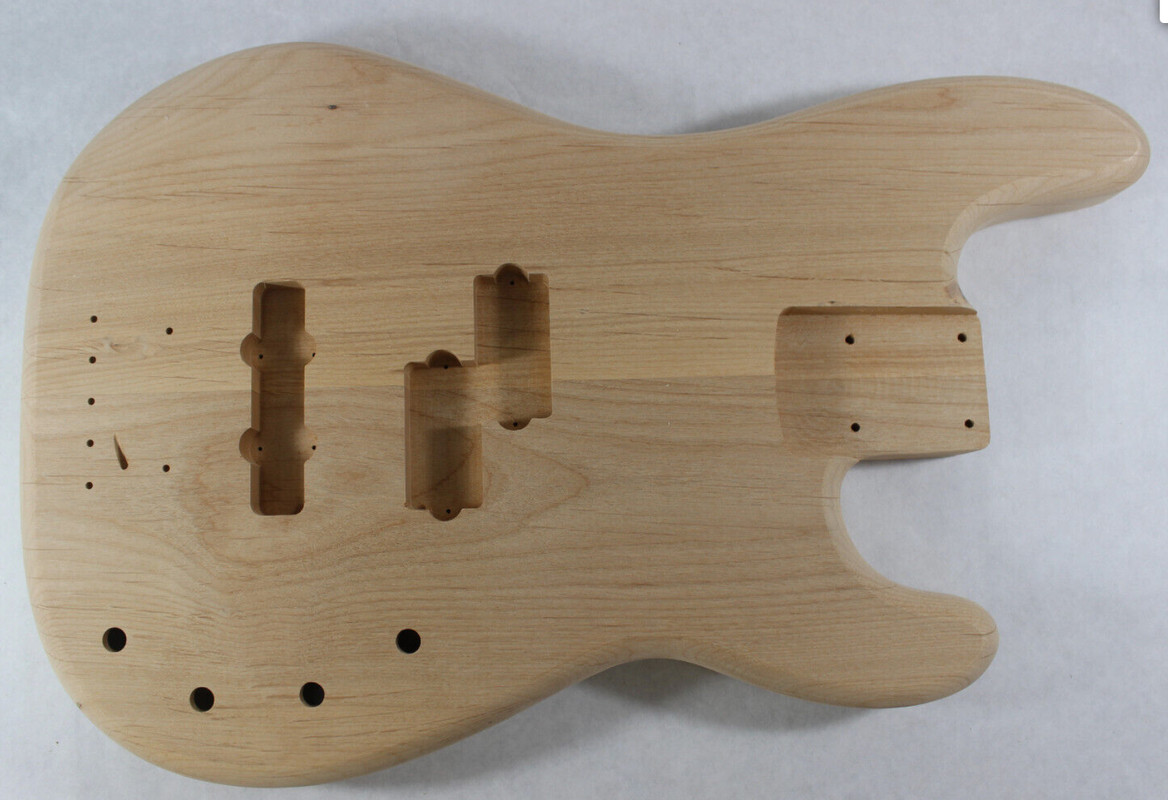
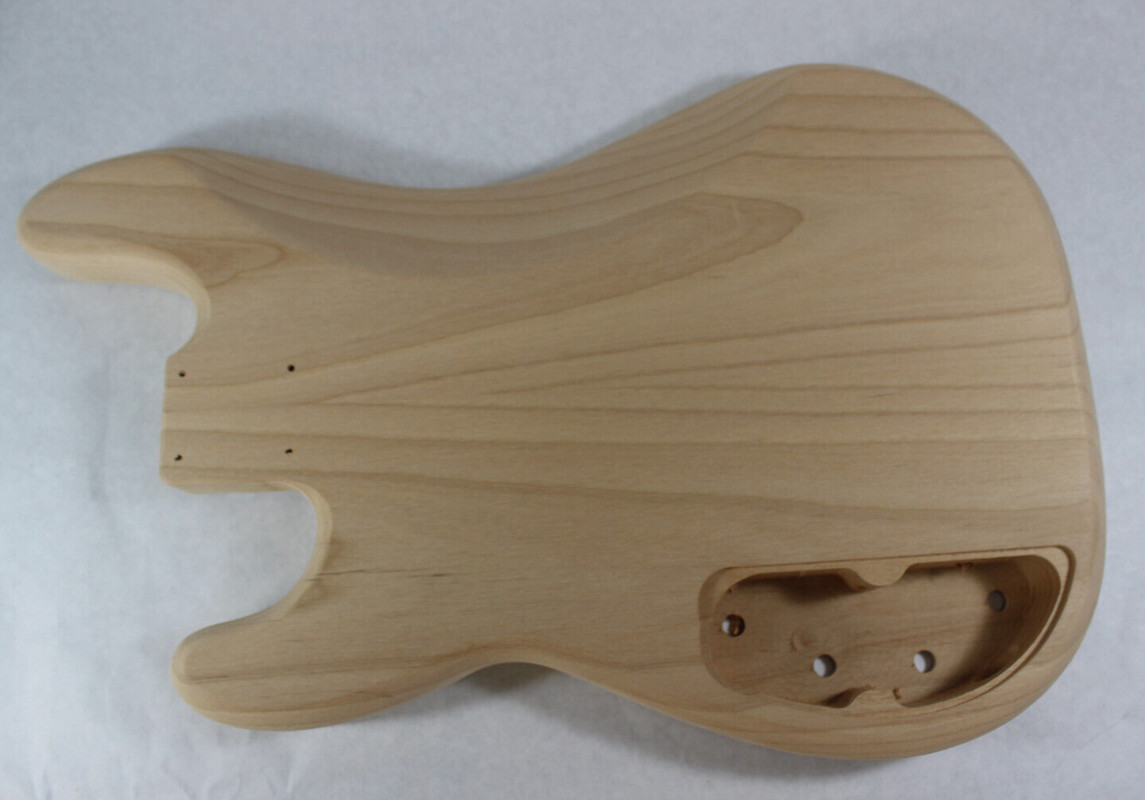
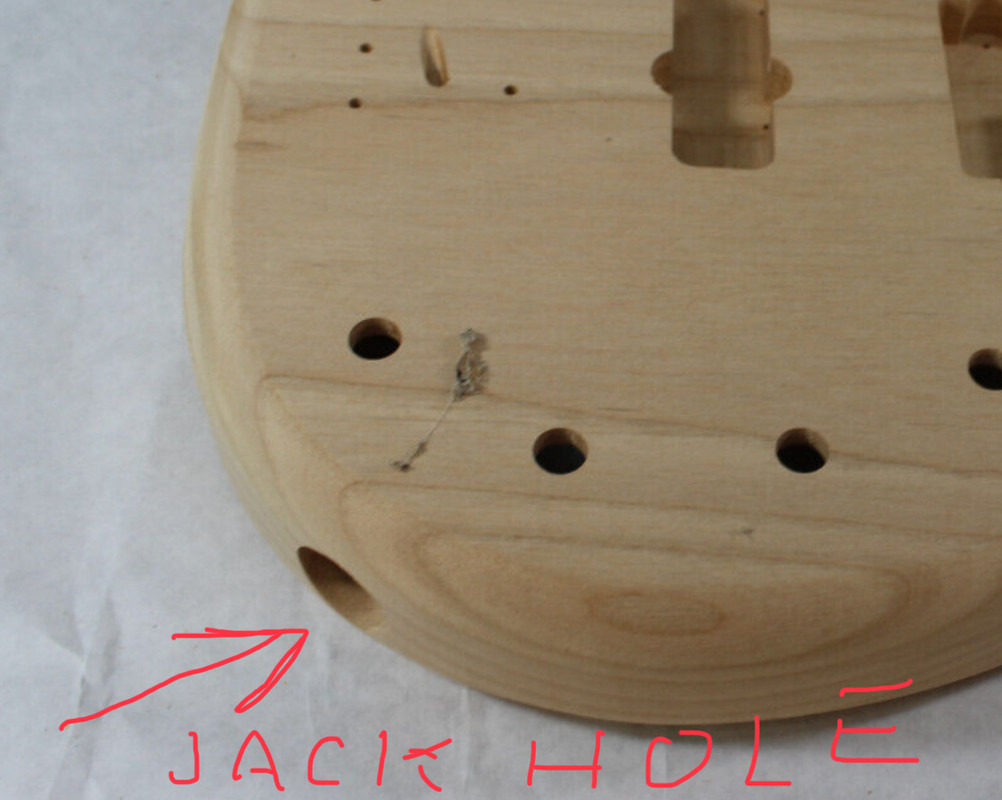
I think most of us around here would just build it to spec. Do you have to have alder?Don't know if it’s the right place for this but taking a guess……….
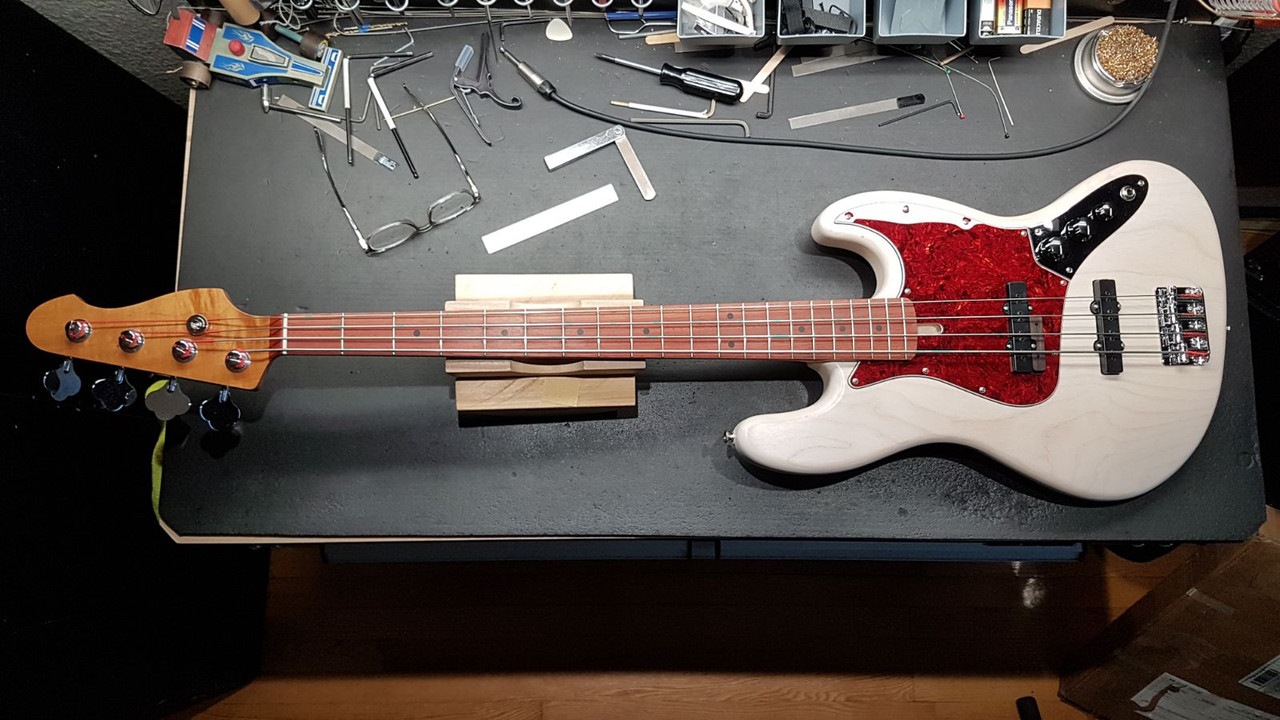
I have the custom jazz bass as per below and I'm very satisfied with it but it’s on the heavy side and the offset shape of the body gives me a hard time playing on long sessions.
So I was wandering if the body I’m dreaming of exists already made or worse case can be custom made.
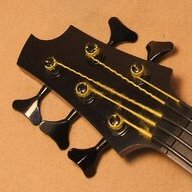
The body I’m looking for is the exact same thing as the pictures below, ideally made of alder with the following specs :
Cavities for standard jazz pickups at both the neck and the bridge with spacing of 1960 instead of p bass pickup at neck and jazz pickups at bridge
3 holes on top instead of 4 (my bass is passive, not active)
Jack hole on bottom edge
Routed in such way I won’t need any pickguard
And more importantly, in a p bass body shape instead of a jazz body
Let me know if any of you knows where I could find such body.
Alder is my favorite wood but poplar is also good to me.I think most of us around here would just build it to spec. Do you have to have alder?
I’m not 100% sure about 1960 spacing but, otherwise, I’m pretty sure Warmoth would build you exactly what you’re describing. You might have better luck calling them than you will using their website for specific things like pickup spacing and control layout.Don't know if it’s the right place for this but taking a guess……….
I have the custom jazz bass as per below and I'm very satisfied with it but it’s on the heavy side and the offset shape of the body gives me a hard time playing on long sessions.
So I was wandering if the body I’m dreaming of exists already made or worse case can be custom made.
The body I’m looking for is the exact same thing as the pictures below, ideally made of alder with the following specs :
Cavities for standard jazz pickups at both the neck and the bridge with spacing of 1960 instead of p bass pickup at neck and jazz pickups at bridge
3 holes on top instead of 4 (my bass is passive, not active)
Jack hole on bottom edge
Routed in such way I won’t need any pickguard
And more importantly, in a p bass body shape instead of a jazz body
Let me know if any of you knows where I could find such body.
Case in point:It's a perfectly fine vise for material positioning if I want to move the workpiece into place and lock it down…
in violin-making, we use lycopodium powder with hot hide glue, sometimes inserting it with a sewing needle, in order to make the chip line (or cracks) either more discreet or disappear, not sure you want to try that, maybeMeanwhile, on the other side of the shop, I wrapped up the neck repair on my ’51 reissue:
View attachment 5373614
I’m a little annoyed with myself that the chip that was removed was still sitting a little proud after I glued it back in. I scraped some relief into the back of the chip to get it to sit flush but it was a tiny piece to grip without damaging it and I obviously didn’t remove enough material. The amber finish got scraped away when I scraped the CA glue level.
View attachment 5373615
So it’s not as pretty as I had hoped for but the good news is that it works. The truss rod had more than enough action to remove the forward bow that had developed in the neck and still had plenty of adjustment left to get into a backbow and counter the strings’ tension. That was great news for me because I really didn’t feel like heat treating it.
View attachment 5373616
I was able to get the neck straight even with the fairly stiff GHS flats that were on there (and which have to go because I’ve decided I don’t like working that hard and, apparently, the neck didn’t like it either!). I would have preferred a less obvious repair but nobody’s going to see it from 5 feet away and at least I saved a neck from being a door stop.
View attachment 5373617


